Latest Stories – Pain News Network – Read More
By Crystal Lindell
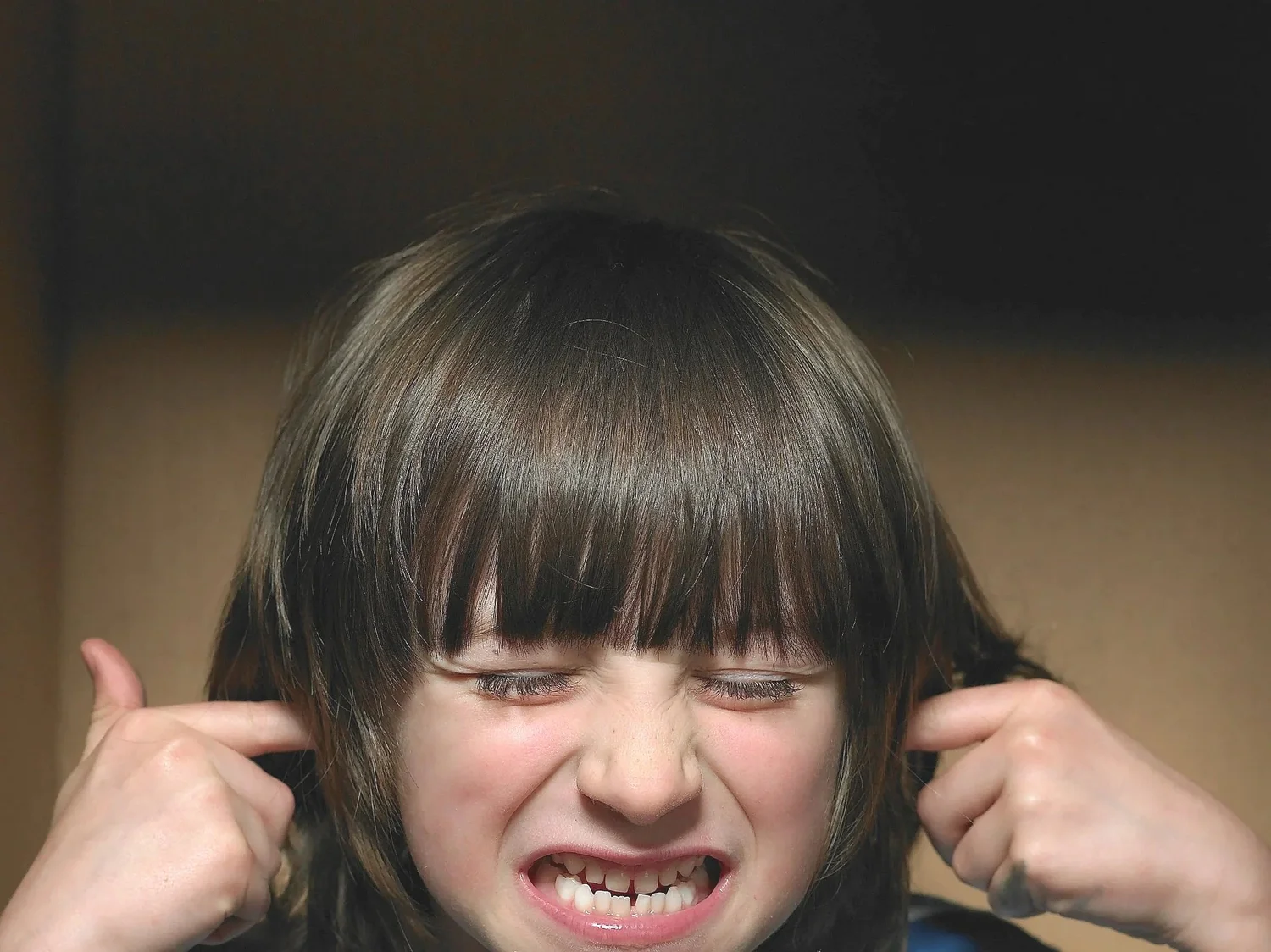
Throughout the day, whenever I hear something particularly high-pitched or loud, I will often turn to my fiancé and say, “Turn it down. That sound is literally causing me pain.”
He always obliges, but I know he’s skeptical. And I understand that my complaint doesn’t really make sense.
However, new research seems to support my experience.
A study at the University of Colorado Anschutz School of Medicine, published in the Annals of Neurology, found that people with chronic pain are significantly more sensitive to sound.
For the study, researchers recruited 142 adults with chronic back pain and 51 healthy people who were pain free. While receiving MRI brain imaging, both groups had mechanical pressure put on their bodies to stimulate pain, while being subjected to annoying sounds. Participants were then asked to rate how unpleasant the experience was.
The differences in responses between chronic pain patients and healthy controls was significant. On average, back pain sufferers reacted more strongly than 84% of people without pain.
The researchers also looked at brain activity during the experiments. The MRI scans showed stronger responses in brain regions that process sound (the auditory cortex) and emotional sensations (the insula). There was lower activity in regions that normally help calm or regulate emotions, like the medial prefrontal cortex.
Interestingly, the results overlap with other studies showing how patients with fibromyalgia react to painful stimuli.
“Our findings validate what many patients have been saying for years, that everyday sounds genuinely feel harsher and more intense. Their brains are responding differently, in regions that process both the loudness of sound and its emotional impact,” said senior author Yoni Ashar, PhD, Co-Director of the Pain Science Program at the Anschutz School of Medicine.
“This tells us chronic back pain isn’t just about the back. There’s a broader sensory amplification happening in the brain, and that opens the door for treatments that can help turn that volume down.”
The researchers wanted to see which treatments could help reduce the brain’s response to noise. The pain patients were broken up into three groups that received either Pain Reprocessing Therapy (PRT), a placebo saline injection, or the usual care they were already getting for back pain.
PRT is a type of mindfulness therapy, in which patients are encouraged to think differently about their pain in order to minimize it.
Out of all the treatments, PRT was the most effective. It reduced the heightened brain response to sound and increased activity in brain regions involved in regulating unpleasant experiences. But the effect was only minimal.
“These findings add to growing evidence that chronic back pain is not just a problem in the back. The brain plays a central role in driving chronic pain, by amplifying a range of sensations – such as sensory signals from the back, sounds and likely other sensations as well,” said Ashar.
Overall, it’s great to see research like this validating what I know is a common experience for chronic pain patients.
However, I do think there may be some “chicken and the egg” issues with this study. Which comes first: sensitivity to sound or back pain?
Maybe people who are more sensitive to sound are more likely to develop chronic pain. In other words, does the pain cause sound hypersensitivity, or does hypersensitivity cause the pain?
Ashar and his research team plan further studies of senses other than hearing — such as light, smell or taste — to see if chronic pain causes sensitivity to those stimuli and how brain regions respond to them.