Latest Stories – Pain News Network – Read More
By Pat Anson
Patients with chronic lower back pain who did not respond well to opioids and other pain medications showed “robust improvements” in pain and disability once they switched to inhaled cannabis, according to a new long-term study.
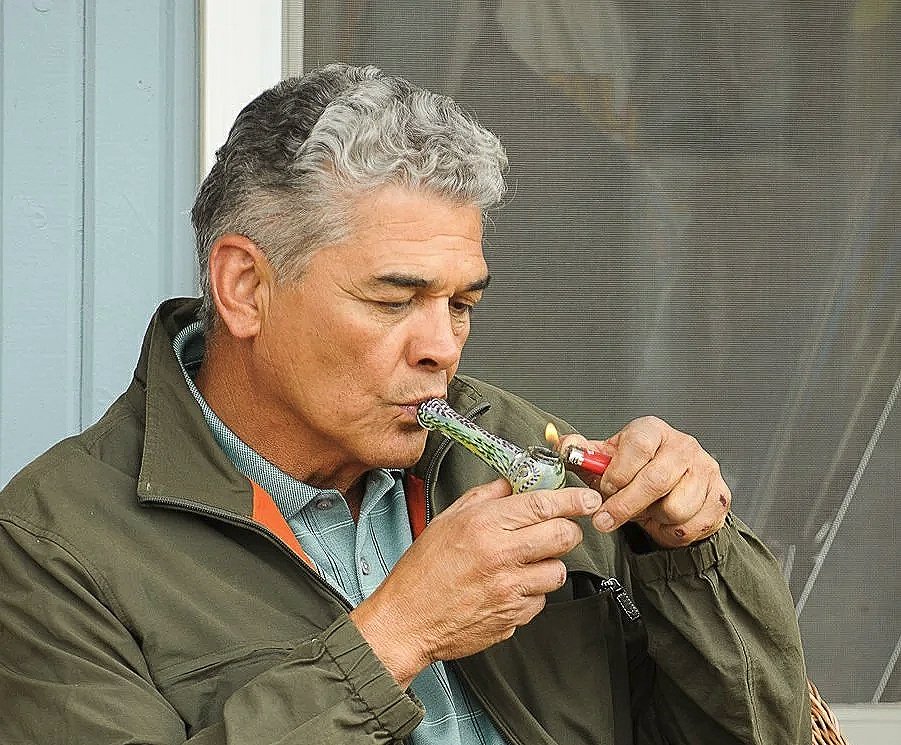
Researchers at Rabin Medical Center in Israel followed 241 patients with chronic lower back pain (CLBP) for five years – a period when they inhaled medical cannabis by smoking (91%) or vaporizing (9%).
Not only did participants report significant and steady improvement in their pain over the course of the study, many were able to stop or significantly reduce their use of opioids, non-steroidal anti-inflammatory drugs (NSAIDs), SSRI/SNRI antidepressants, and gabapentinoids such as pregabalin and gabapentin.
“In a treatment-refractory CLBP cohort with five-year longitudinal follow-up, inhaled cannabis was associated with large, sustained, and statistically robust improvements in pain, disability, and pain interference, accompanied by near-total displacement of opioids, NSAIDs, antidepressants, and gabapentinoids,” researchers reported in the journal Biomedicines.
Chronic lower back pain is the leading cause of disability worldwide, affecting about one in five adults at any given time. With so many people suffering, you’d think there would be a consensus on the best ways to treat it, but there isn’t.
A 2018 review by The Lancet found that low back pain is usually treated with bad advice, inappropriate tests, risky surgeries and injections, and pain medications that provide only temporary relief.
2023 guidelines released by the World Health Organization (WHO) reached similar conclusions, recommending treatments such as exercise, physical therapy, and chiropractic care as alternatives to pain medication..
Neither WHO or The Lancet took a serious look at medical cannabis, so the new Israeli study breaks new ground as a treatment option.
The research team noted that randomized clinical trials are needed before causal claims can be made about cannabis, but the data so far ”support consideration of inhaled cannabis as a potentially clinically meaningful, opioid-sparing option for patients who have failed conventional multimodal therapy.”
Another sign that inhaled cannabis was effective is that few participants dropped out of the study. After five years, nearly 93% of patients were still involved and only five dropped out due to side effects.
The THC content in the inhaled cannabis ranged from 4 to 22 percent, while the CBD concentration ranged from 2 to 22 percent. Researchers say they chose to study inhaled cannabis because of its rapid onset and patient preference.
A 2019 survey of medical cannabis users in the U.S. found that smoking cannabis provides more pain relief than ingesting it. Over 3,300 people logged their symptoms on a mobile app while using a variety of cannabis products, including dried flower, edibles, tinctures and ointments. Smoking dried flower provided more pain relief than any other cannabis product.