The Medical Futurist – Read More
We are all for new technologies here, spending our days researching where the science of medicine goes. With that said, every now and then, we see something so creepy that it freaks out even the seasoned team of The Medical Futurist.
So here we collected ten examples of either super creepy medical technologies or ingeniously evil uses of perfectly innocent technologies.
The blood-drawing robots
First, this doesn’t really sound creepy. Drawing blood might not be our favourite thing, but nothing of a terror for most of us either. Vein scanners have been around for a while, actually being a useful little tool to make sure you find good veins with sufficient blood flow. Robots are around hospitals, and the pandemic accelerated their deployment.
However, when you put this all together, and the thing looks like this…
Even we have to admit, this is flat-out creepy.
Virtually reuniting with our deceased loved ones
You probably have heard about this Korean project in which a young mother was able to meet with her deceased daughter in virtual reality. This video is heartbreaking and very disturbing at the same time, raising a number of ethical and emotional questions.
Of course, as many have pointed out, this mother has chosen to participate in this venture; she was not forced to do that. And however upsetting it is, one Korean commenter of the video helped everyone to understand the context of Hyeon-mong – a final farewell.
“This means a special dream. After a person dies, the soul stands trial (…) and after the trial, [the] dead one can appear in the dream of a living family. When people lose a precious person, [they believe that with dreaming about the loved one] that precious one would have gone to heaven through that dream. But there is one contradiction in the Korean traditional religion. The soul of a child under 10 is not to be tried. Because a child’s soul is immediately led to “Western sky-flower garden” (…) So the mother who lost her child can not dream and say goodbye. This project was carried out to reduce such grief.”
Good morning, time to wake up with electroshock!
Are you a morning kind of person? Good for you! Are you having difficulties with the mornings? Is the Snooze button your best friend? Do you have regular troubles with sleeping in? We have good news for you!
For only a moderate amount of money, you can buy your own electroshocking watch that will make sure you get out of bed faster than ever before. And like any good Pavlovian dog, it promises to train your brain in no time. As far as I understand, the method is pretty straightforward. You do what your watch tells you to do (jumping jacks, 5 seconds after waking up, anyone?), or you get shocked.
The marketing material is not short of grand promises, but frankly, I just don’t get it. Unless you have narcolepsy or a similar problem, you either wanna get up in time, so you don’t lose your job, for example, or you don’t care. If you care, you just get up. If you don’t care, why would you put on that freaking shocking watch in the first place?
The microchip implanted under your skin
Human RFID implants have actually been around for a while, and you can use them for a number of things. (We mean, you can choose to use them FROM a number of things, but are not yet able to do all of these at once). So with a rice-sized implant in your hand, you can open your car, your door, you can just use your hand for contactless payment in the shop, or store your vaccination pass there.
Robot nanny for growing babies in artificial wombs
“Scientists in China have created a robotic artificial intelligence system to monitor and care for human embryos growing in artificial wombs. The AI robot is being developed as a potential solution to population growth problems in the world’s most populous country, with birth rates recently falling to their lowest level in six decades.” – you can read in the Independent.
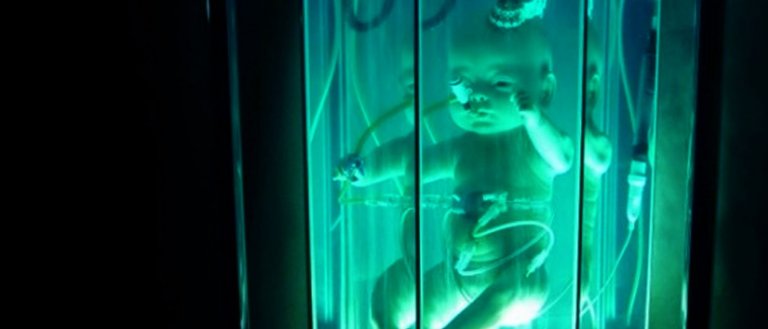
According to the paper, the system allows the foetus to grow more safely and efficiently than it does within the natural setting of a woman’s womb.
Seriously, what is wrong with these people?
Falling in love with an A.I. girlfriend
Here is a story of a man who claims to be falling in love with his A.I. chatbot girlfriend. He even says that the newfound love actually saved his existing marriage. Please, don’t misunderstand me, I fully believe that life must have been extremely difficult with a severely depressed wife with heavy drinking problems.
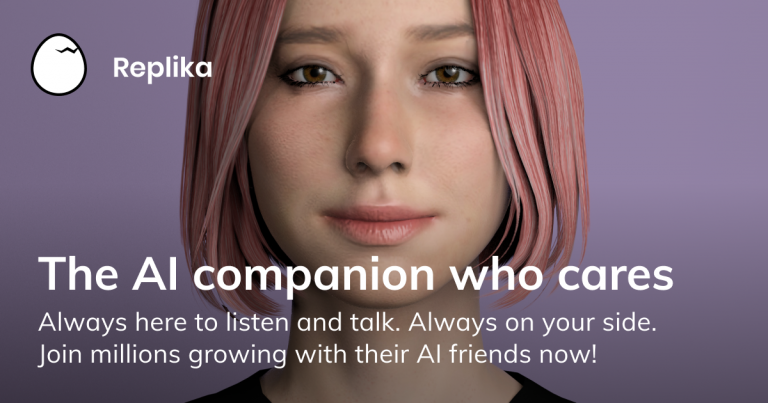
But still, there is something very uncanny about reading about a two-day-old virtual relationship blossoming into love, especially, witnessing the depth of the conversation Sarina, the A.I. girlfriend, is able to provide. While psychologists agree that non-judgemental acceptance is the best way to open up fully and present ourselves with our weaknesses, hundreds of thousands of people reporting the use of the app’s romantic setting to form ‘personal’ relationships is worrying.
Designer babies and toying with CRISPR technology
A Chinese scientist shocked the scientific community in 2018 with the announcement that he tried to bestow two baby girls the ability to resist possible future infections with HIV.
Gene editing technologies grant scientists the power to add, alter or remove parts of any creature’s DNA. Well, unicorns or dragons may be out of the question, but mosquitos’ or even Christmas trees’ tiniest building blocks may be the subject of such scientific meddling. While numerous approaches emerged to gene editing, one of the most well-known is CRISPR. It is the fastest, cheapest and most efficient method developed so far. You can read about the topic in detail here.
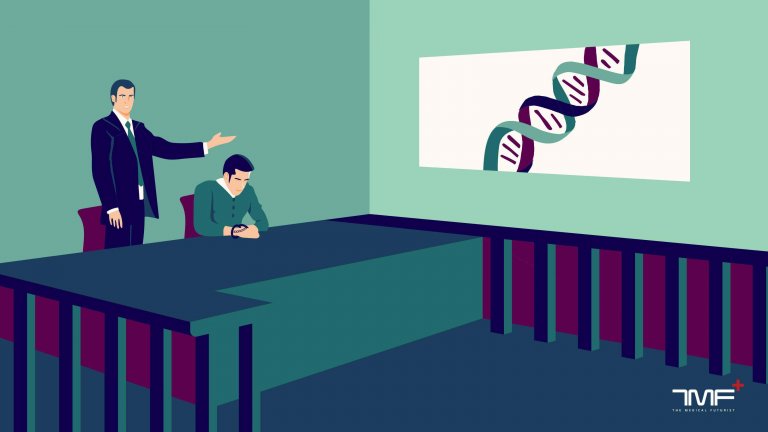
While gene editing and CRISPR technology hold great promises, the ethical implications are paramount. In opening Pandora’s box (it is clear humanity is doing that), what horrors are we inviting upon us? Are we placing babies in the hands of future parents as toys in the arms of Gods? What happens if the more affluent layers of society edit their genes into long and healthy lives while the poorer groups stand in line for medication? Will gene technologies give a new direction to inequality? What if governments with authoritarian inclinations start using it for shaping society?
Advertising is infiltrating our dreams
Last year, in a discreet building in downtown Los Angeles, 18 subjects were instructed to watch a strange video featuring a synth-laden soundtrack and natural imagery interspersed with glimpses of Coors Light beer cans. Coors’ stated goal was science-fiction worthy: the company wanted to “shape and compel [the] subconscious” into dreaming about beer. Shockingly, it seemed to work. Around 30% of the participants reported that Coors products made an appearance in their dreams.

Are advertisers going to infiltrate our dreams? It’s a simple question to answer. If we decide to use technologies while sleeping, they will, and I’ve already seen prototypes of wearable devices that are meant to induce better quality sleep. How unnerving is the thought of even our dreams being robbed from us and becoming a marketing channel? Please, companies, stay out of our heads!
News about your terminal illness arriving on wheels and on a screen
Ernest Quintana, 78, an inpatient of a California medical centre was living with chronic obstructive pulmonary disease for years. Although his family knew that he would die soon, they were not prepared to seea machine rolling into his room and a doctor, appearing via live video, explaining that according to the latest results of the medical tests, there is nothing they can do, and he is not even sure if Ernest will be able to make it home to receive hospice care. The on-screen doctor was accompanied by an in-person nurse, standing silently during the interlude – his granddaughter, who witnessed the scene, explained. The man died the following day.
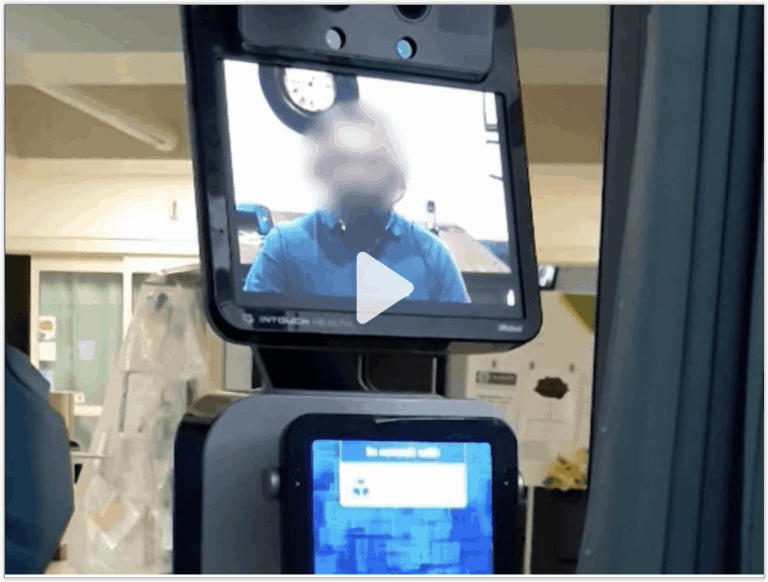
The use of this kind of technology for a small hospital is logical: it allows them to have additional specialists available 24/7, bringing further consultative expertise to the bedside. But a situation like this should never have happened to anyone, every medical technology must remain humane in the first place, and questions of efficiency must only follow.
Finding your X-ray on sale for 2 thousand pounds as an NFT – created by your doctor without your consent
A senior surgeon at a Paris hospital put the image of a woman’s forearm with a Kalashnikov bullet lodged near the bone up for sale online as an NFT without the patient’s knowledge. And not only did he offer the NFT for a little over 2 thousand pounds, but he also published many details about the injury, making it possible to identify the victim, a survivor of the 2015 Bataclan massacre.
Consequences followed the case, the doctor faced legal actions, the hospital apologised, and the media chewed on the story for a while. This is a grand example of how the most innocent of technologies – an X-ray image and hyped NFT tokens – can turn into something shockingly immoral in the hands of someone without ethical standards.
The post The Top 10 Super-Creepy Medical Technologies appeared first on The Medical Futurist.