
HealthPopuli.com – Read More
The Bank of America Institute has been covering aspects of the economy undergoing Transformation, this month winding up a four-part series on the wellness economy — addressing its “rise,” fostering social connections, tech for mental health, and self-care’s expanding footprint. In this post, I’ll weave together data that BofA shares in the four reports which speak to my current workflows across the retail health and self-care ecosystem.
As people take on more agency for their own health and the well-being of family and community, consumers are spending more dollars, engaging more with data, and investing more time accessing information to bolster literacy, lengthen lives (in the search for longevity), and save money.
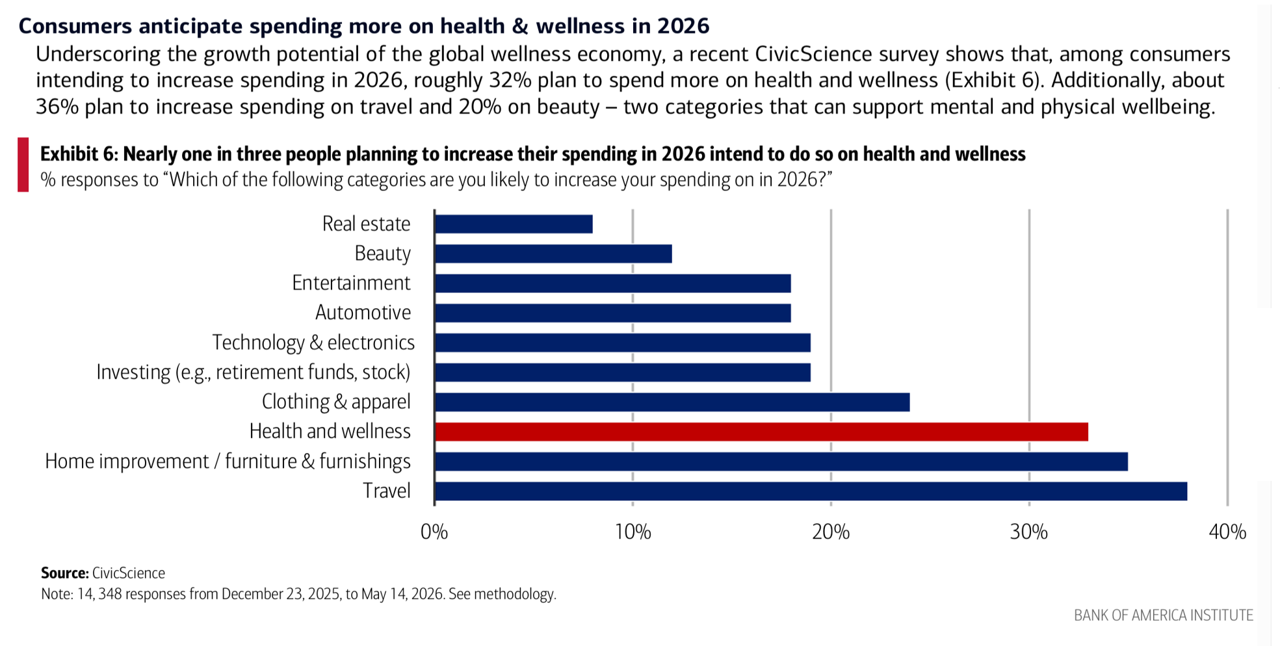
Here is CivicScience’s latest look into Americans’ spending on health and wellness, indicating a 32% increase — just below spending on home improvement and travel.
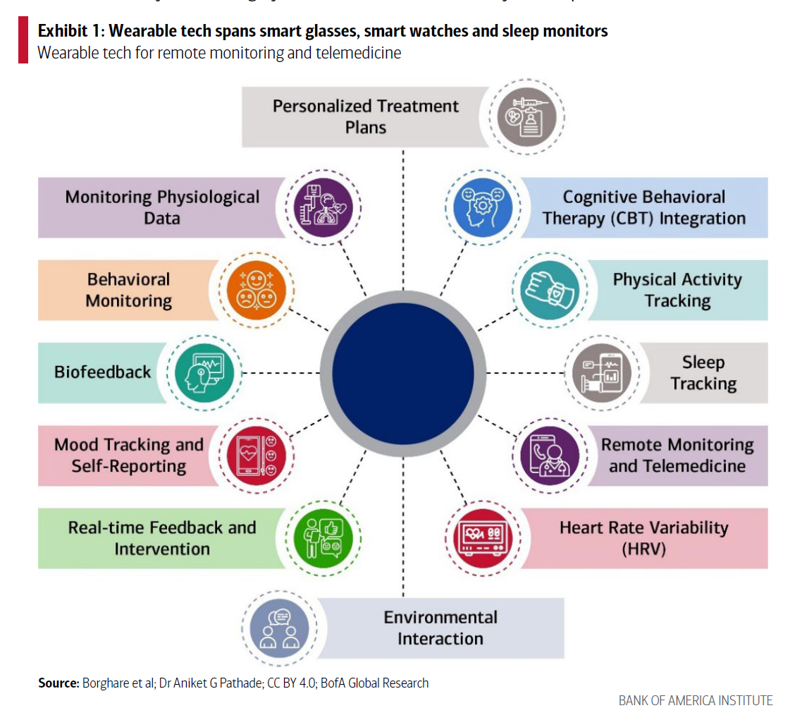
Embedded in B of A’s wellness economy thinking is the underpinning of technology for self-care and virtual services — enabled through wearable devices such as smart watches, smart glasses, sleep monitors, and remote health tech that can facilitate telehealth for chronic condition management, behavioral therapy, and other applications that can be delivered outside of brick-and-mortar licensed health care facilities.
While consumers do self-pay out-of-pocket for devices and services, we also see more payors reimbursing and covering certain services when evidence-based and FDA-cleared.
A major theme running through the four reports is the centrality of mental health and social connection: consider…
–> “Tech is eating our health,” where B of A addresses the constant connectivity and AI-driven tools increasing humans’ dependence on digital devices — with screen time replacing some in-person connectivity.
-> The science behind social wellness and how people are increasingly interested in how to meet people and reinforce social connections.
-> Technology for mental health, exploring wearable tech that expands peoples access to mental health tools and data collection that can anticipate an erosion in personal well-being.
-> Self=care habits that enhance wellness and reduce anxiety and stress. 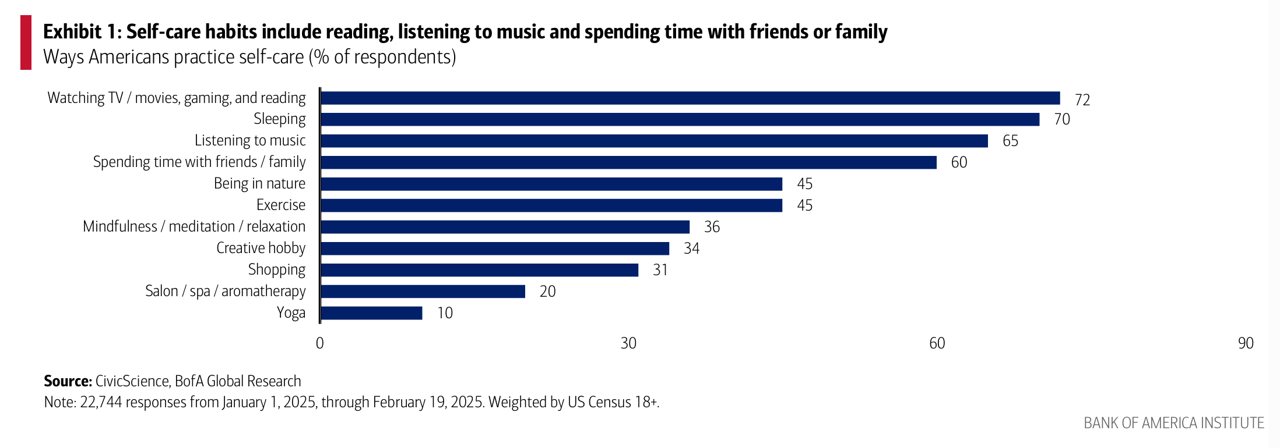
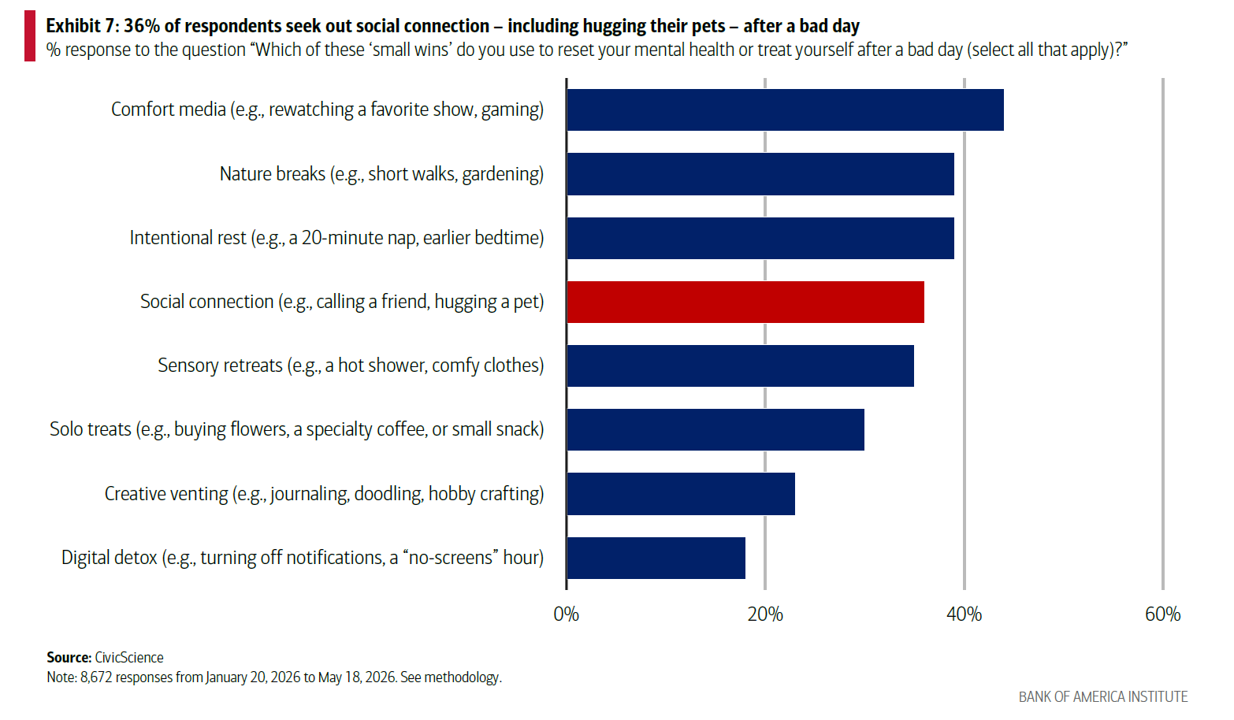
To that point, this chart from the fourth report on self-care’s expanding footprint identifies various activities and life-flows U.S. consumers have adopted to practice self-care, via CivicScience BofA research. Most Americans use media and entertainment via TV watching, movies, gaming and reading; sleeping; listening to music; and ,spending time with family and friends, among other self-care habits. 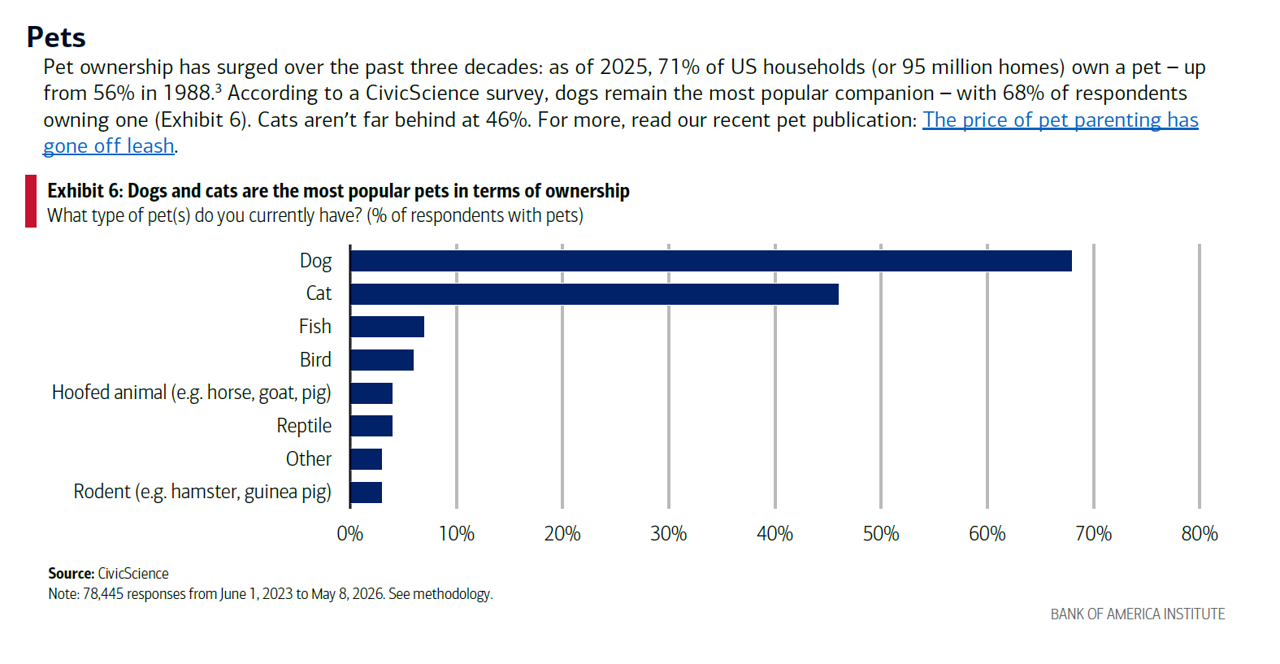
Note in the previous Exhibit #7 that “hugging a pet) registers as part of social connection. The second report in the B of A series which addresses fostering social connection goes deep into pet ownership as a key self-care hack, calling out the surge in pet ownership over the past 30 years. Seven in 10 U.S. households own a pet as the pet economy has grown. As B of A has coined, “The price of pet parenting has gone off leash.”
Health Populi’s Hot Points: The U.S. wellness economy is valued at roughly $2 trillion; based on a U.S. population of about 340 million people, this calculates to about $6,000 in wellness spending per capita.
That investment blends with U.S. healthcare/medical spending, which speaks to my growing focus on this combined health/care + wellness category of spending as retail health — because so much of the spending comes from consumers’ wallets….and will continue to grow disproportionately compared to other line items of household spending as outlined above in Exhibit 6.
Pay close attention to the growing phenomenon of grocery stores as health destinations; retail pharmacists expanding their access to consumers for care and counsel; cosmetics and skin care companies expanding portfolios toward “cosmeceuticals” and more medical applications; hospitality vendors expanding medical tourism and well-being venues and products; and, technology companies extending AI and chatbots to patients for diagnosis and triage, care support, and therapy.
The post The Rise of the Wellness Economy, From Wearable Tech to Hugging a Pet, According to the Bank of America Institute appeared first on HealthPopuli.com.