The Medical Futurist – Read More
About a decade ago, I had a chance to test the first Muse Headband that claimed to measure EEG (essentially brain waves) at home and provide biofeedback while doing meditations. It was an immersive experience, but my conclusion was that I cannot meditate with a headband on and while it might help someone adopt the habit of taking care of their mental health, I’ll take care of mine while watching baseball or walking in the forest.
Since then, I’ve tested other EEG-focused devices too, and to be honest, none of them got a place in my lifesyle. Brain-computer interfaces have had a recent boost and companies developing wearable sensors tend to focus on other areas of health such as fitness, diabetes or sleep.
However, Muse redesigned its device by 2026 and they sent me a device to test again to see how they have evolved in a decade. Here is what I found.
Disclaimer: As always, The Medical Futurist is not affiliated with the company, the review is not sponsored, and it reflects my opinion. Companies/service providers first read our reviews after publication.
What is in the package?
The latest Muse headband comes in a compact box that reflects its positioning as a premium wellness device. Inside, you typically find the headband itself, a charging cable (USB-C in the newest versions), and a quick-start guide. The design has clearly evolved over the years: the materials feel more refined, the sensors are better integrated into the frame, and the overall form factor is less intrusive than earlier iterations. It’s also much easier to get a good signal which used to be a pain point in the previous design.
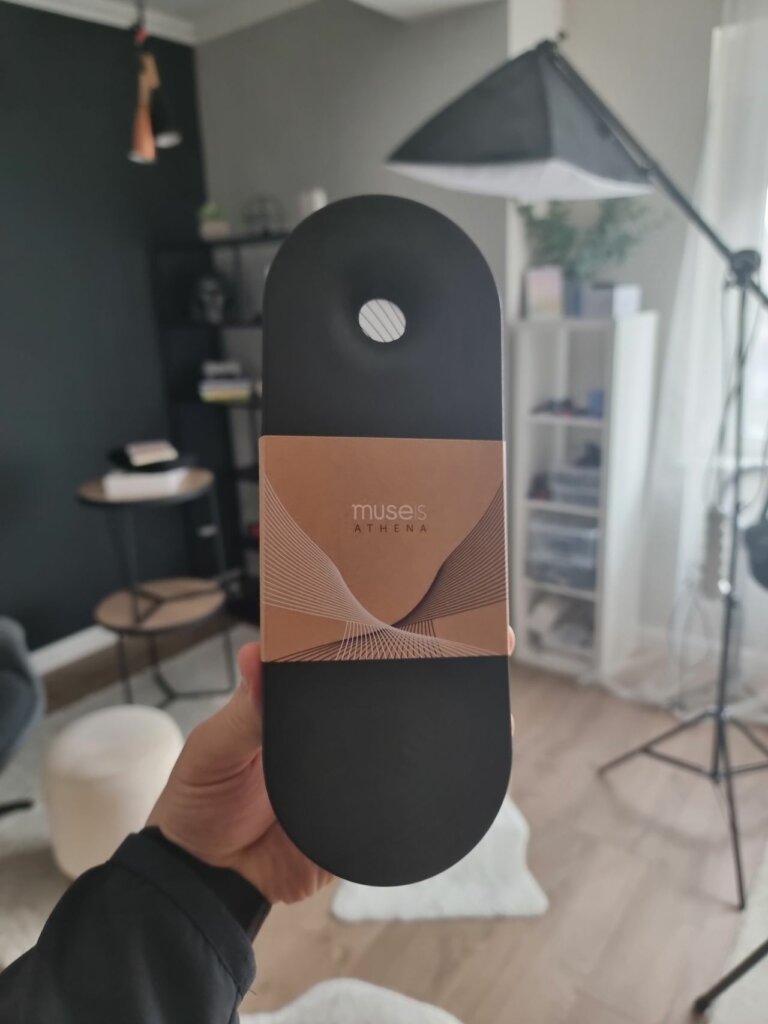
The device still relies on electrode sensors placed along the forehead and behind the ears to capture EEG signals, but the ergonomics have improved. It is lighter, more flexible, and easier to adjust, suggesting that the company has listened to one of the biggest barriers to adoption: comfort during longer meditation sessions.
What does the company claim the device can do?
Muse positions the headband as a real-time neurofeedback device designed to support meditation, mental recovery, and sleep quality. By measuring brain activity, heart rate, breathing patterns, and movement, it provides immediate feedback through a connected mobile app. The idea is simple: guide users toward a calmer mental state by translating physiological signals into intuitive audio cues.
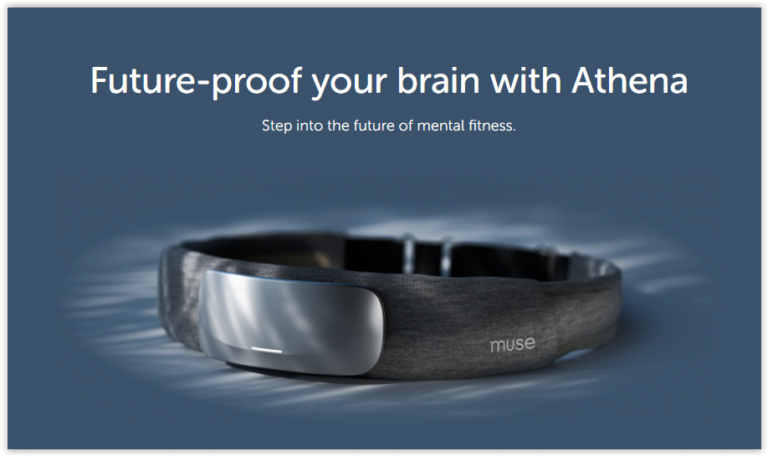
The company claims that users can improve focus, reduce stress, and build a sustainable meditation habit with the help of personalized feedback. In newer versions, Muse also emphasizes sleep tracking and “digital sleep journeys,” combining biosignal monitoring with guided audio experiences to enhance rest and recovery.
What is the science behind it?
Muse relies primarily on electroencephalography (EEG), a well-established method for measuring electrical activity in the brain. The challenge and the promise of devices like Muse lie in translating clinical-grade concepts into consumer-grade usability.
The neurofeedback approach is based on the idea that individuals can learn to regulate their brain activity when given real-time feedback. Some studies suggest that EEG-based neurofeedback can support relaxation, attention training, and even aspects of anxiety management. However, the evidence is still mixed, especially when it comes to consumer-grade devices used outside controlled environments.
In addition to EEG, newer Muse models integrate other biosignals such as heart rate variability (HRV), respiration, and movement. These multimodal inputs provide a more holistic picture of the user’s physiological state, aligning with a broader trend in digital health: combining multiple data streams to approximate complex mental states.
That said, it is important to draw a clear line between wellness support and medical claims. While Muse builds on scientifically grounded technologies, it is not a medical device, and its outputs should not be interpreted as diagnostic information.
My experience
I remember the very first session I had with the device a decade ago. I was amazed by how my brain becoming calmer could have an impact on the sound I heard and the bird songs I could initiate. That experience is still there, but the range of possibilities got much bigger. I could summarize what I used the device for and how in a few points.
I caught myself having meditation sessions before going to bed day by day. 2-3 5-10 minute sessions, and I could improve my sleep (by improving HRV, which I could achieve by lowering resting heart rate before sleep due to the meditation sessions).
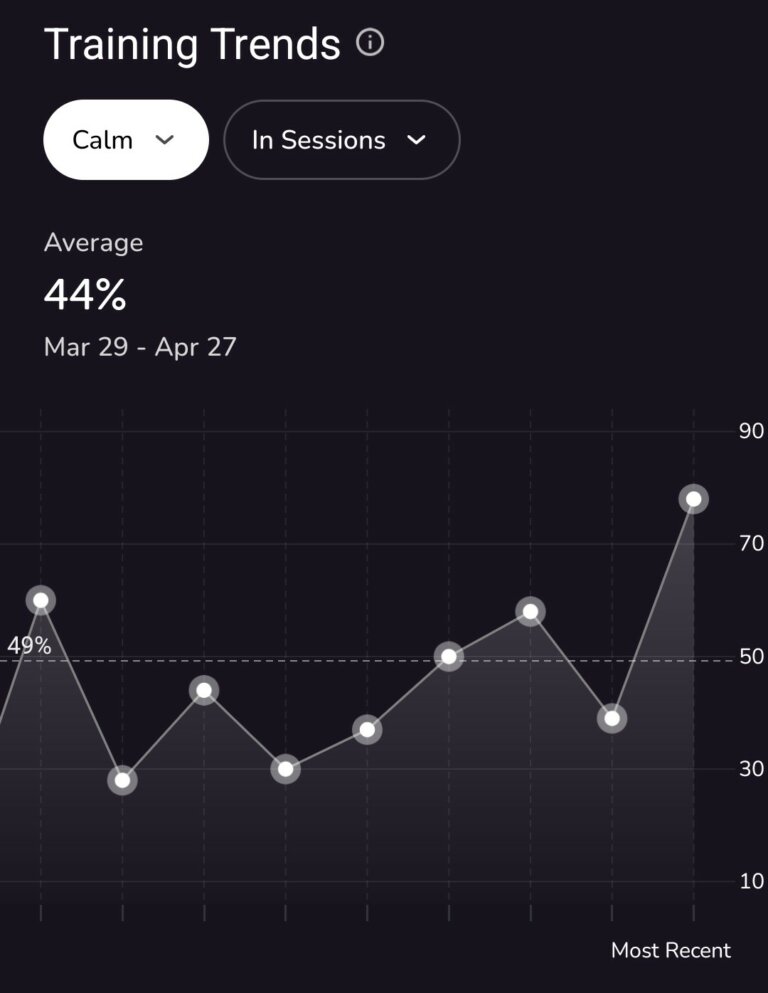
Not only can you choose a lot of unguided sessions where ocean waves, city sound or a campfire can mimic your brain activity, but you also have access to tons of guided sessions (essentially merging what Muse offered years ago and what Calm and Headspace have been so great about). I found myself using both types. I usually start with an unguided session to finetune the sensor and get myself in the mood, then choose guided sessions in topics I’m currently interested in, such as patience, self-care or letting go.
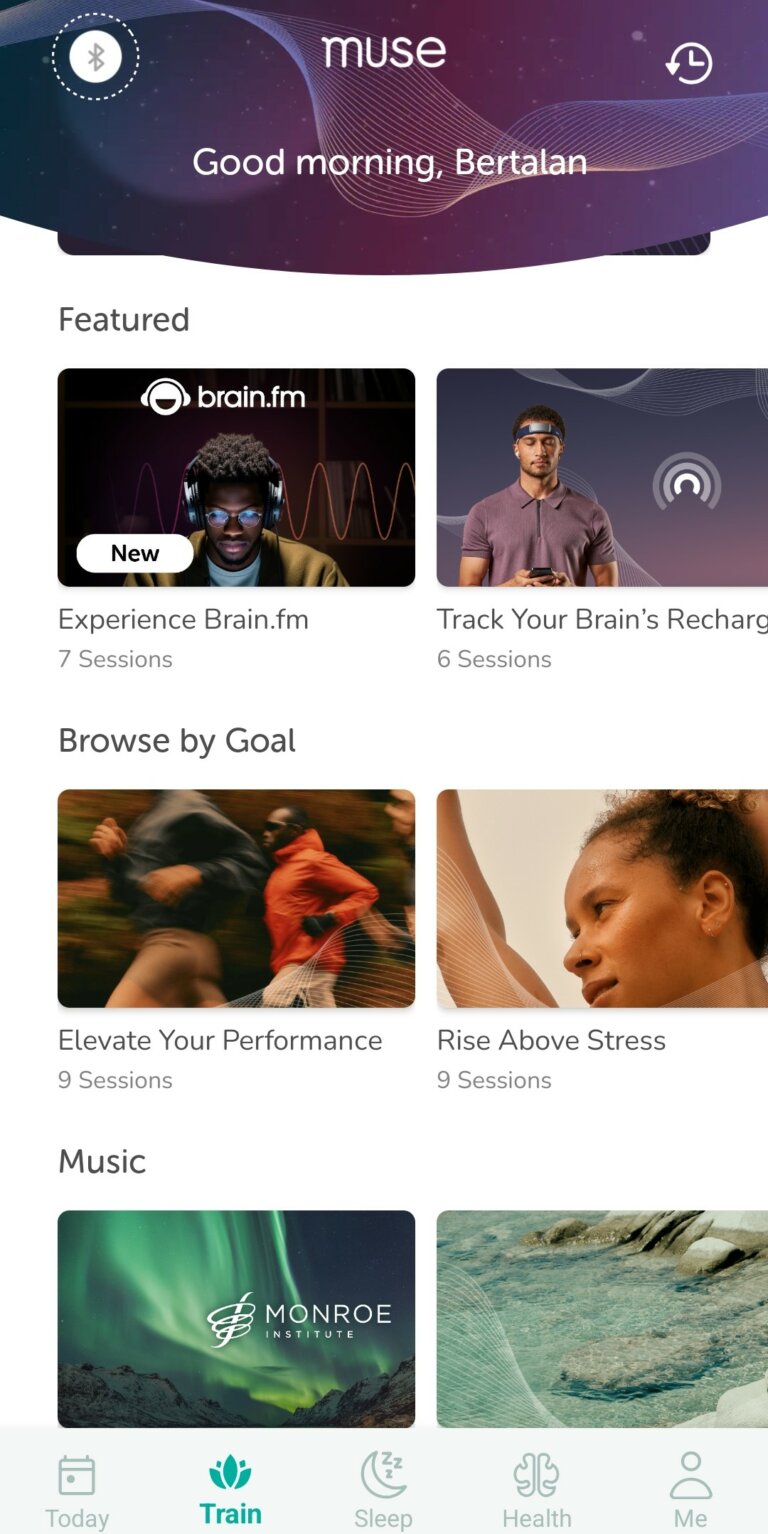
I understand why the company offers sleep tracking, but sleeping with earbuds is a no-go for me so I started testing it and gave up after a few minutes. I already have a good system for sleep tracking with other devices and I don’t have a hard time falling asleep so I didn’t lose any value in deciding so.
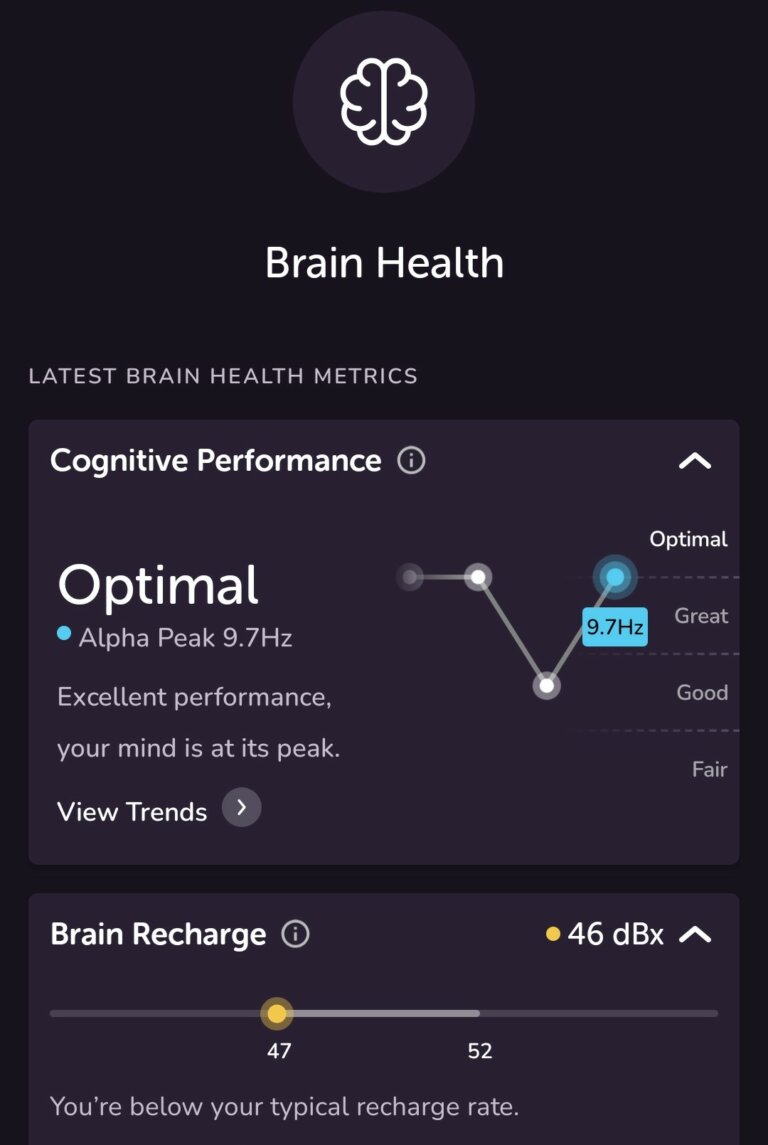
The data feedback is more detailed and nuanced than before. Now I can access actual data and numbers about my brain activity from alpha peak Hz to brain recharge data.
Pricing and availability worldwide
Depending on the model and bundle, prices typically range from around $250 to $400 USD, with occasional subscription options for accessing advanced content within the app.
The device is available in North America, Europe, and several other global markets through the company’s official website and selected retail partners.
Conclusions
I should definitely meditate more. While I do some after yoga, it’s certainly not enough. This device helped me get back on track. So if you like data, especially biofeedback, it will help you meditate more.
Training your mind to do something or sleep better? I’m not so sure. But meditating more in a meaningful way, I have no doubts because I have been doing that for weeks.
I understand that a device cannot help to achieve mindfulness, but if it helps get me on track towards it, sign me up!
The post The Muse Headband Review: Meditation 2.0 appeared first on The Medical Futurist.