Latest Stories – Pain News Network – Read More
By Crystal Lindell
The parents of a 19-year-old college student who died of an accidental overdose are blaming ChatGPT for giving their son deadly advice about his drug use.
Leila Turner-Scott and Angus Scott are suing OpenAI – which makesChatGPT — and founder/CEO Sam Altman over the death of their son, Sam Nelson.
They allege Nelson was seeking advice on combining different drugs, and ChatGPT encouraged him to take the prescription drug Xanax to treat nausea caused by kratom.
“Sam was a smart, happy, normal kid. I talked to him often about internet safety, but never in my worst nightmare could I have imagined that ChatGPT would cause his death. If ChatGPT had been a person, it would be behind bars today,” Leila Turner-Scott told Tech Justice Law, which helped file the lawsuit.
“Sam trusted ChatGPT, but it not only gave him false information, it ignored the increasing risk he faced and did not actively encourage him to seek help.”
According to the lawsuit, ChatGPT “engaged in the unlicensed practice of medicine” when it advised Nelson to take Xanax to counteract the nausea caused by a high dose of kratom. He died in 2025 from a fatal combination of Xanax, kratom, and alcohol.
SAM NELSON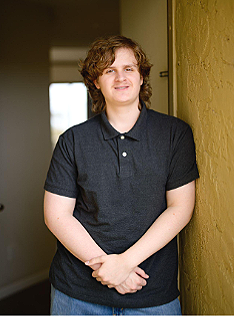
Nelson’s parents are seeking monetary damages, but they also want the court to pause OpenAI’s rollout of ChatGPT Health, a platform that allows users to upload medical records and receive personalized health advice.
Unfortunately, this whole situation is the logical outcome of patients not having candid conversations with their doctors about their use of drugs, including kratom. Even if they get up the courage to do so, most doctors will dismiss kratom as dangerous and ineffective, and then end the conversation.
Personally, years ago I brought up natural leaf kratom with my psychiatrist, who I thought was very progressive and open when it comes to substance use. He immediately told me kratom was way too dangerous to use and shut down the discussion. I was shocked because I had already been using kratom for months and knew first-hand how mild it actually was.
Aside from how interactions like that erode trust between patients and doctors, poor access to healthcare also sends patients to seek answers from less reliable sources. In the past, that would mean talking to friends and family, or to look for answers online in places like Reddit.
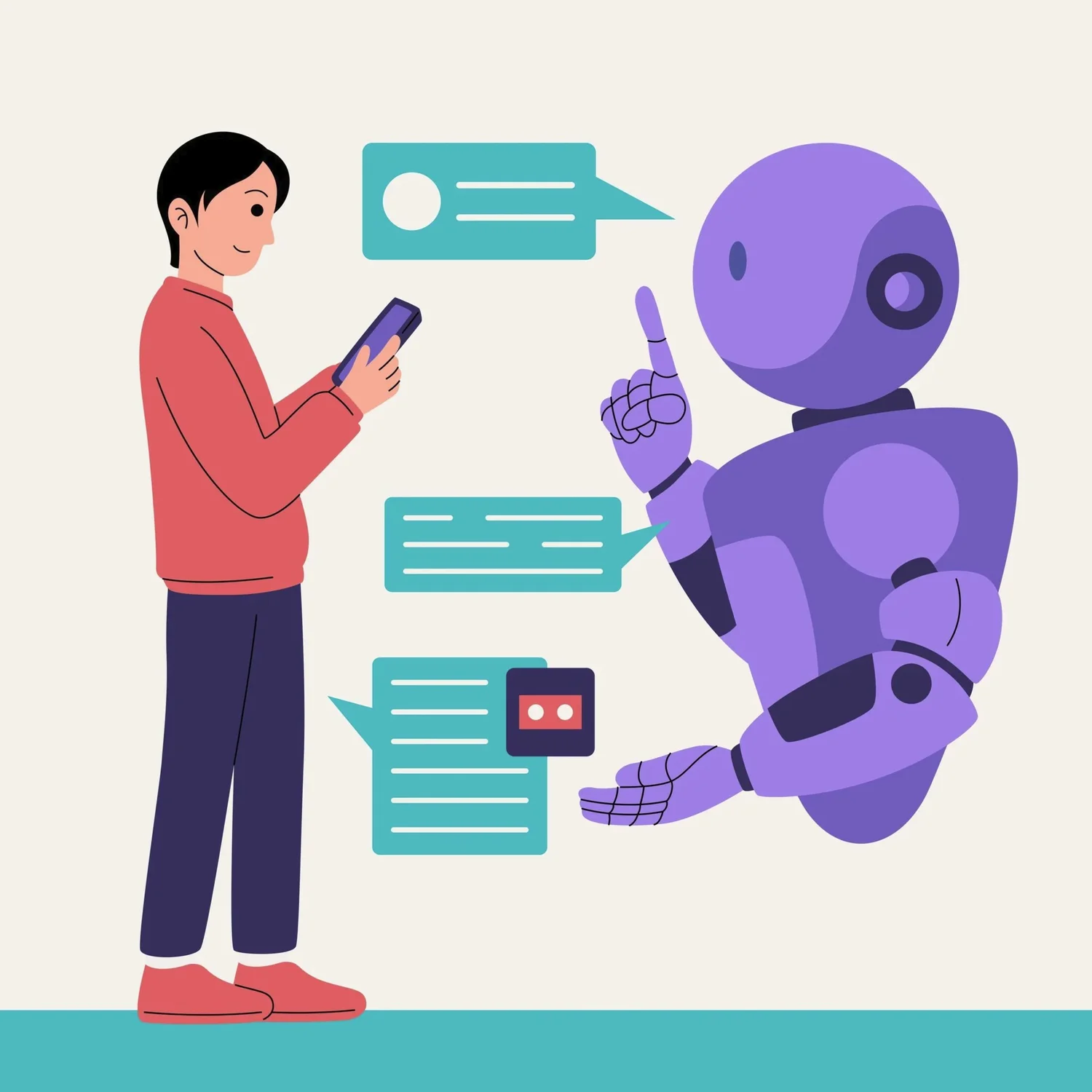
Today, however, many turn to artificial intelligence and chatbots like ChatGPT. A recent report from OpenAI estimated that 40 million users ask ChatGPT healthcare-related questions daily.
But ChatGPT does not have a medical degree. It’s essentially an advanced “auto complete” AI system, which means it may give bad medical advice.
I can’t imagine why ChatGPT would advise anyone to take an anti-anxiety medication like Xanax for nausea, much less nausea induced by another substance. It’s the kind of bad medical advice that would probably be immediately down voted on Reddit.
According to the lawsuit, Nelson used ChatGPT repeatedly over the course of 18 months, asking for advice on how to get high by combining prescription and recreational drugs. ChatGPT initially advised Nelson to seek medical help, but over time “became a validator of harmful behaviors.”
Drew Pusateri, a spokesperson for OpenAI, told Reuters that the situation was heartbreaking, and that Nelson used an earlier version of ChatGPT that is no longer available.
“ChatGPT is not a substitute for medical or mental health care, and we have continued to strengthen how it responds in sensitive and acute situations with input from mental health experts,” Pusateri said. “The safeguards in ChatGPT today are designed to identify distress, safely handle harmful requests, and guide users to real-world help.”
At the end of the day, ChatGPT is still learning and is not always a reliable source of information. That’s why the best solution is to make medical professionals more accessible and more open to the types of discussion that patients might be seeking help on.