The Medical Futurist – Read More
Since the very dawn of the wearable revolution, I have been using apps, sensors and devices to live a healthy life. I’ve been tweaking my lifestyle decisions with a lot of data since the early 2010s. From smart sleep alarms, genetic tests and fitness trackers to portable ECGs and continuous blood glucose monitors, I’ve tried everything on the market to see what the patient and the physician from the future would go through while using advanced technologies.
So when Ernő Duda, the CEO of MediPredict reached out to offer me their full longevity and health prevention package, I couldn’t say no, even though it wasn’t an easy decision. I was grateful for the offer, but as a physician, I also knew that measuring everything doesn’t necessarily lead to better insights. We might find things I shouldn’t know about or things that might bother me mentally from now on, without any clinical implications.
Still, discussing it with my future self at the age of 60, I decided to go for it. I couldn’t pass on the opportunity and I wanted to see what a top-tier longevity package looks and feels like.
Plus, the package is worth over 20.000 EUR, so I simply couldn’t say no.
What surprised me most was not the data itself, but how this experience reshaped my understanding of longevity, risk, and what it actually means to build a relationship with your future self.
I thought the hardest part would be the tests. It wasn’t. What I didn’t expect was how emotionally demanding, psychologically complex, and philosophically revealing this journey would become. This journey taught me truths about longevity that no device or report had ever shown me before.
Disclaimer: As always, The Medical Futurist is not affiliated with the company, the review is not sponsored, and it reflects my opinion. Companies/service providers first read our reviews after publication.
What does MediPredict really offer?
Based in Budapest, Medipredict has built a longevity-journey framework rooted in multi-omics diagnostics and comprehensive health screening. The company offers a broad portfolio of services, including full genome sequencing, microbiome metagenomics, metabolomics, extensive laboratory parameters and imaging diagnostics. They aim at capturing a deep snapshot of the body’s molecular, metabolic and anatomical state. The data are then integrated via algorithms and expert teams to deliver an individualized health profile that goes beyond typical preventive check-ups. They sort of predict the patient’s future health journey.
Once the data are collected and analysed, Medipredict provides a personalised report and health-coaching follow-up: the client is guided through results, understands the implications for lifestyle and risk, and receives recommendations tailored to their own biology and context.
What kinds of tests did I have?
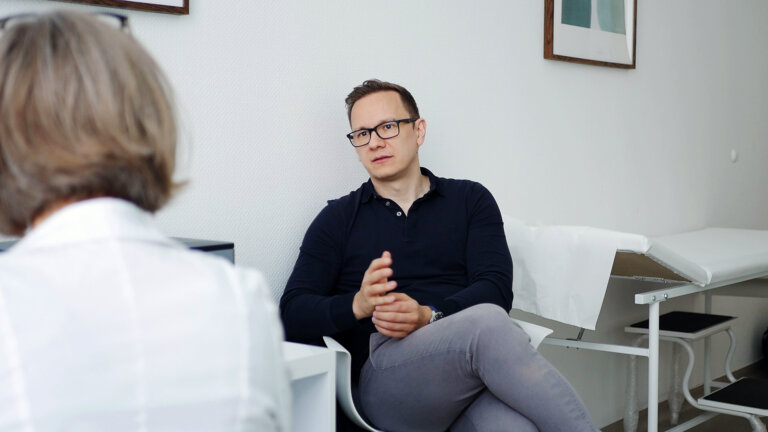
I had an initial discussion with a medical professional to sort through my medical records, previous tests, health issues and results. Then, after weeks of preparation and logistics, I had over 30 tests throughout a 4-week-long period, and then four long consultations about the results. Brace yourself, the list of tests is long:
- Full genome sequencing (with special analyses such as cancer or cardiovascular diseases, based on my family history)
- Blood tests (over 300 markers, from hormones and vitamins to tumour markers and blood glucose tolerance test)
- Microbiome testing
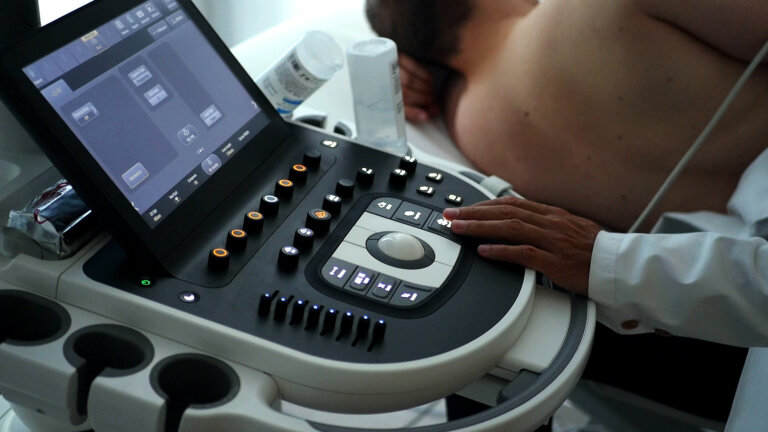
- Abdominal ultrasound
- Body composition analysis (DEXA)
- Coronary CT angiography
- Cranial MR angiography
- Osteodensitometry
- Whole-body MRI
- Ambulatory blood pressure monitoring
- Cardio ECG patch
- Exercise tolerance test
- Biological age test from blood
- Ophthalmology
- Resting ECG and during exercise
- Sleep test
- Diet diary
- Spirometry test
- Continuous glucose monitoring
- Semen analysis
- Physical Examinations: Dermatology, ENT, Gastroenterology, Internal Medicine, Neurology, Urology
- Gastro- and colonoscopy
- Toxin test

Some obvious ones I didn’t have as I recently had them on my own screening schedule, such as neck/carotid ultrasound, or low-dose chest CT.
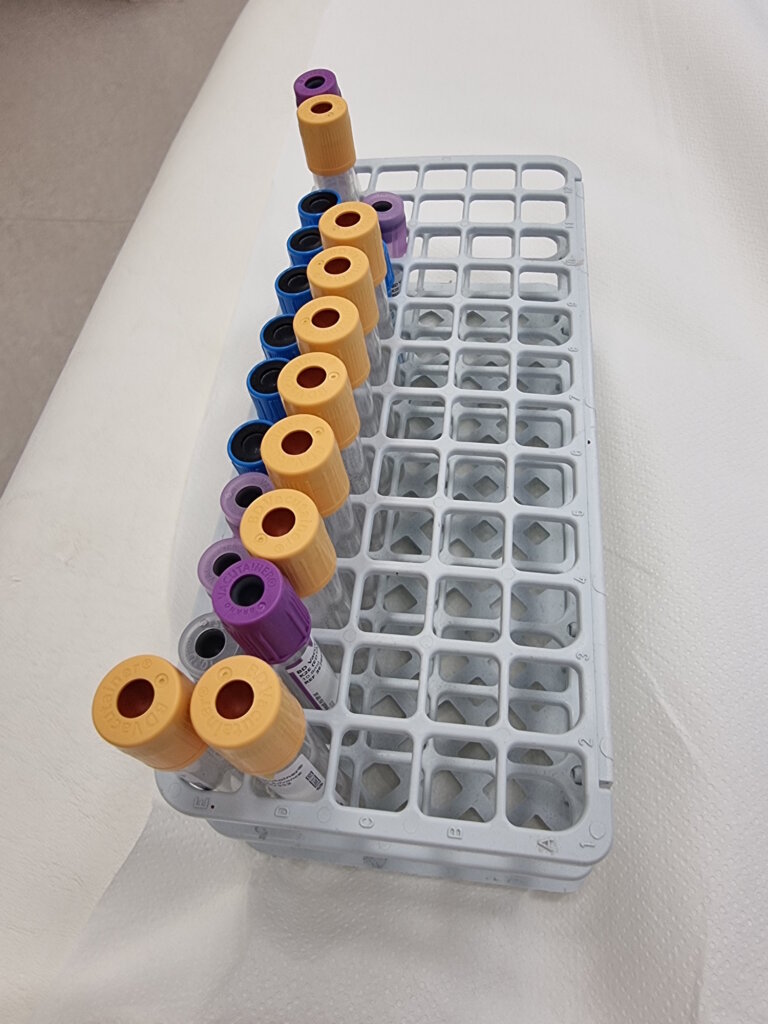
I had some brutal days with multiple tests but I chose to do it this way instead of doing one or two tests every day for a month. For example, on the first day, they took 25 tubes of blood samples, then I had the blood glucose tolerance test. After a quick breakfast, the next step was a full-body MRI, then a brain MRI at a different location, and finally, a fertility test at a fourth location. I’m not going to lie, these were emotionally and physically demanding days.
In general, the whole month was like this and I did worry a lot about the potential results. It’s something (the FOFO, the fear of finding out) you have to pull through unless you are really used to it.
Regarding the results, due to the national electronic medical record system in Hungary, I kept receiving the results before the company, and I knew more or less what they were going to find before the final consultations.
The final consultations took place in four sittings, a few weeks after my last test was done. The first one was about the medical findings so I could discuss every clinical conclusion with a physician. The second one was about genomics where a genetic counselor walked me through the variations, mutations and disease risks. The third one was dedicated to nutrition and nutrigenomics. And the last one was the integrated service, where I received complex recommendations about how I can keep on working on my health from now on.
What did they find?
As the company said, it would take a day or two to list every negative finding/result and mention everything that is fine with my health, so I won’t do that either. What I share here is about 10% of all the results.
Full genome sequencing (out of a blood sample): Out of the 81 clinically important monogenic variants, they found nothing, good news! But, they found 3 variants that might be pathogenic, meaning those might cause a disease. One is called the DSP gene, which might lead to a rare heart condition; one in the Factor V gene that leads to a higher risk for thrombosis, and one called TNFRSF13B that might lead to an autoimmune condition. Also, I have a high genetic risk for obesity and Coeliac disease. They identified a list of 28 medications I would have adverse side effects for. The list includes antidepressants and cholesterol-lowering medications. Regarding the less clinical, but more lifestyle-related variants, I have a muscle type that is more prone to short bursts rather than long distance running; a risk for acne (I suffered a lot as a teenager), I can smell asparagus in my urine (due to an olfactory receptor mutation) and I have Misophonia, an extreme emotional reaction to certain everyday sounds such as eating or chewing.
Blood tests (25 tubes of blood samples): A few markers out of the desired range that were surprising, such as Rheumatoid factor or ds-DNA. I’ll have them remeasured after 3 months. Blood markers also confirmed my thrombosis risk due to the Leiden factor mutation.
Microbiome testing (fecal sample): Alpha diversity was 4,87, which is great and means I have a healthy, diverse microbiome. One kind of bacteria is missing from my microbiome, though, Akkermansia Muciniphila. I got food recommendations on how to boost its level. I also got a lot of other details about many things that don’t have a clinical or lifestyle consequence, so I won’t share them here.
Body composition analysis and Osteodensitometry (lying in a machine for 30 minutes): My bone density is excellent, but body fat is around 25% which is surprisingly bad. I’ll work on it with more running sessions.
Coronary CT angiography (an hour-long procedure with some pain and discomfort): There was a really tiny coronary wall irregularity, which was not confirmed as a plaque. I plan to redo the test in 5 years.
Whole-body MRI (an hour-long procedure with loud noises in a closed tube, I counted my breathing for comfort, went to 720): They found a small cyst in my kidney, and some signs of degeneration in my spine (but I was told these were still minor, and it seems I take good care of myself).
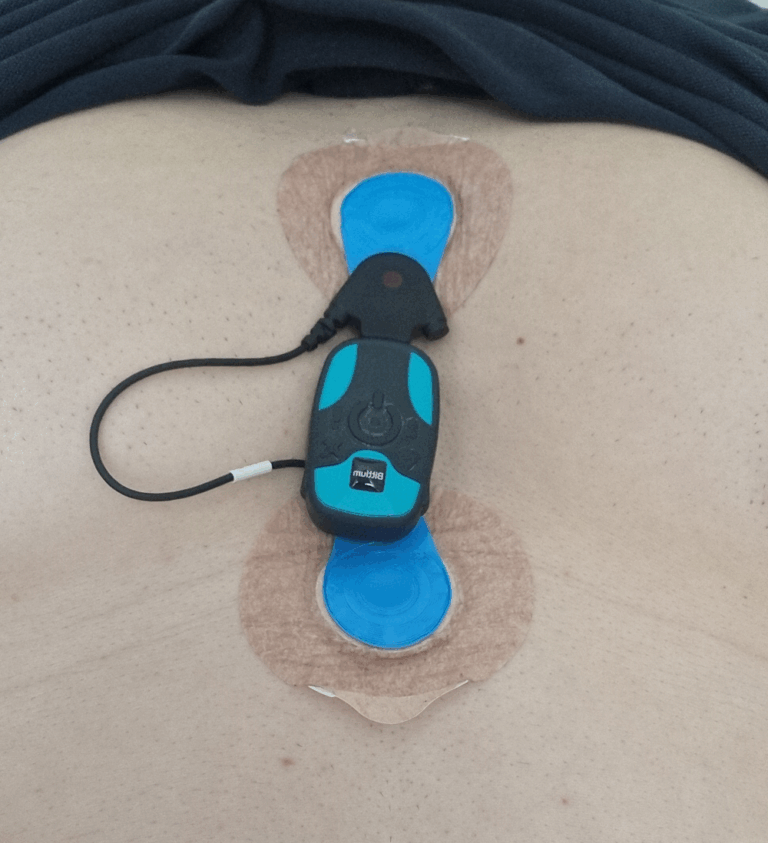
Cardio ECG patch + Exercise tolerance test (wore a chest patch for a day and used a bicycle for 15 minutes with high intensity while electrodes were on me): Minor issues, nothing had any clinical relevance.
Biological age test from blood (a few drops of blood samples): It was 36 while my real age is 41, I’m happy about it. However, it has no relevance to lifestyle or medical decisions. Just a fun fact I can tell people at dinner parties.
Diet diary (I wrote it for a week with as many details as possible): The nutritional recommendations focused less on restrictive rules and more on data-driven optimisation. The guidance emphasised stabilizing energy intake around ~3,100 kcal per day while reducing overall fat consumption and slightly lowering carbohydrates, with sustained attention to protein quality rather than quantity. Fibre intake and hydration were highlighted as areas to maintain or increase, particularly on training days. On a practical level, the plan favors foods that support microbiome diversity, glycaemic stability and recovery. For example, resistant starches (like green bananas, jasmine rice, potatoes), whole plant foods such as legumes, oats, chickpeas, nuts, and cruciferous vegetables, as well as fermented dairy alternatives and polyphenol-rich beverages including green and black tea. It recommends including omega-3s, vitamin D, creatine and magnesium in my diet. Conversely, the assessment advises limiting deep-fried foods, excessive fat intake (including ketogenic patterns), rye-based breads, rapid or high-volume alcohol intake, large single-dose protein loads, and heavily processed meats.
Oral glucose tolerance test (2 hours, 3 blood tests after taking a drink rich in sugar): Only my two-hour insulin level was a bit higher than anticipated, which might indicate a long-term risk for insulin tolerance that also runs in my family.
Dermatology (one-hour-long consultation): They checked all my skin lesions, and one was spotted for potential removal. As the chance of it becoming malignant is almost zero in a decade, I decided to keep on watching it instead of getting it removed now.
ENT: I have to do the Valsalva maneuver once a day for my entire life due to an ear observation. Everyone should do it by the way.
Internal Medicine: My cholesterol level was high, so I started implementing changes in my diet (I have to avoid medications for the same purpose due to my genetic sensitivity to almost all of them). My thrombosis risk is confirmed and I took an injection before a recent long flight. I have to be hydrated properly all the time and avoid immobility for longer periods.
Toxin test (from urine test): The level of mercury was higher than usual (but not toxic), which might be due to the amount of seafood I eat as part of the Mediterranean diet. It’s impossible to do something properly in longevity.
A list of fully negative examinations and tests:
- Abdominal ultrasound
- Cranial MR angiography
- Ambulatory blood pressure monitoring
- Ophthalmology
- Sleep test
- Spirometry test
- Continuous glucose monitoring
- Semen analysis
- Gastro- and colonoscopy, Gastroenterology
- Neurology, Urology
What’s next in my health journey?
The results of this longevity workup don’t point toward a single dramatic intervention but rather a set of long-term trajectories that now become clearer.
The pathogenic-leaning variants in DSP, Factor V, and TNFRSF13B don’t demand medical action today, but they create three lifelong surveillance pathways: periodic cardiac imaging for arrhythmogenic cardiomyopathy risk, proactive thrombosis prevention (hydration, movement, flight precautions), and attention to early signs of autoimmune dysregulation. These aren’t diagnoses but probabilistic signals that transform uncertainty into informed vigilance, so I hope. The same is true for my elevated genetic risk for coeliac disease and obesity: neither manifests clinically, but both give shape to areas where lifestyle choices have disproportionately high leverage.
A second cluster of next steps arises from borderline or mildly abnormal findings: rechecking autoimmune markers (RF, ds-DNA) to confirm whether they were transient fluctuations; adjusting diet to improve LDL levels without statins (given pharmacogenomic constraints); lowering body fat percentage through structured endurance training; and monitoring insulin dynamics due to a family-linked tendency toward insulin resistance.
Microbiome and nutrition data shape a third pathway: supporting Akkermansia species in my microbiome, reducing total fat intake, and following a macronutrient structure with food types and a sample diet they have recommended. I already started doing many of them.
Imaging and functional tests form the final layer of future tasks: repeating coronary CT in five years to track the tiny wall irregularity; keeping an eye on a benign skin lesion; and maintaining spinal health through targeted mobility and strength training with yoga and manual therapy.
The long list of normal tests is not just “nothing to see here.” I will keep on redoing them with a long-term schedule.
In practical terms, my next steps are not extraordinary: improve nutrition, reduce body fat, continue endurance training, stay hydrated, avoid immobility, follow up on autoimmune markers, respect my thrombosis risk, and use my pharmacogenomic profile to avoid medications that would work poorly or cause harm.
But the difference is that these actions are now personalised by data across genomics, imaging, blood biomarkers, lifestyle patterns, and the microbiome.
What was the service like, and what would I change in their service?
In reflecting on my MediPredict longevity journey, there are a few aspects I’d suggest improving.
First, the inclusion of a psychologist at the start would be invaluable. Even as a physician and longevity enthusiast, I found the process and waiting for results stressful. This would likely be even more challenging for non-medical participants.
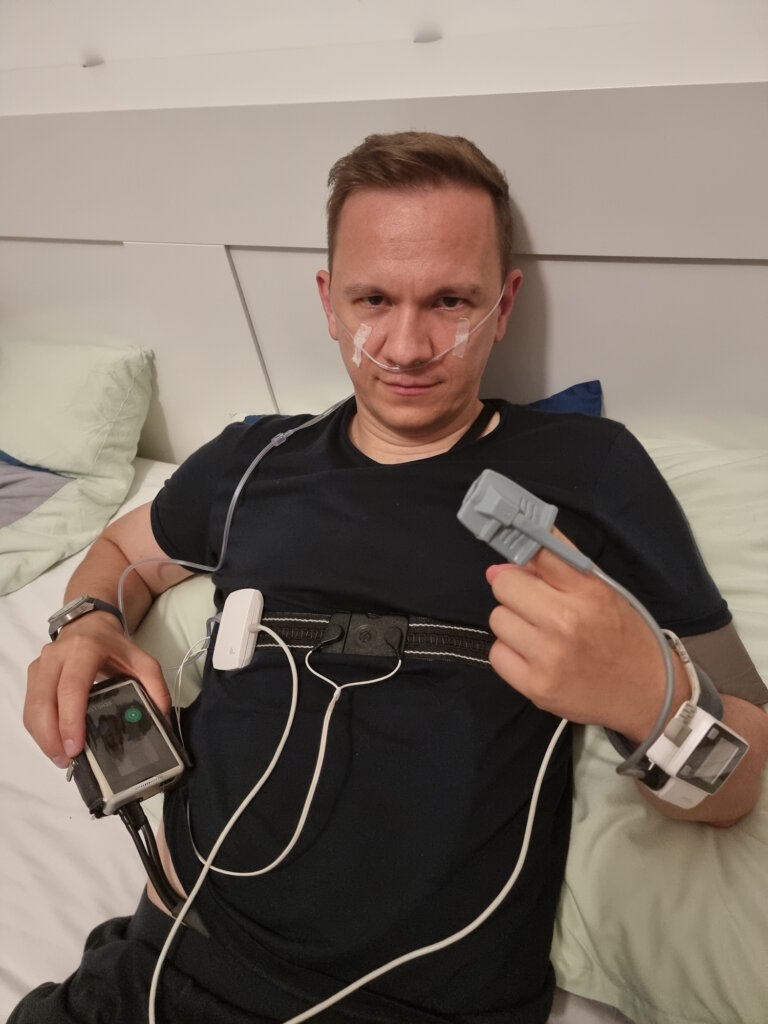
Second, the wearable devices used for ECG, blood pressure, and sleep analysis were outdated and uncomfortable. Modern, more patient-friendly patches and devices exist that share data seamlessly with both patients and clinicians.
Third, a dashboard or progress bar would be immensely helpful. Knowing where I stood in the entire process and how many tests are left would have reduced uncertainty and made the experience smoother.
Fourth, the lag between receiving raw results and having a meaningful clinical interpretation took months. For non-physicians, this delay could be even more stressful.
Fifth, some tests felt less clinically useful for immediate decision-making, like the metabolomics or biological age tests. They’re interesting, but not necessarily actionable.
And finally, some key areas were missing from this otherwise comprehensive journey: dentistry and oral health, mental health or cognitive baseline testing.
Final conclusions and learning points about longevity
First of all, I’m really grateful to MediPredict for giving me this opportunity of a lifetime. Everyone at the company and every physician they work with has been extremely professional, helpful and kind. One of them even told me that it’s heroic to go through all of these tests and examinations as a patient. I have to agree.
In summary, I’ve learnt more about longevity and my own journey in it in 6 months than in the previous decades. I try to summarize all these conclusions and learning points below.
1) Longevity requires a LOT of effort, time, privacy, and money.
Before this journey, I thought FOFO (the fear of finding out) was going to be the biggest challenge. But it turns out that they measure so many things and obtain so many data points, that even statistically it’s impossible not to find something.
The real question I had to ask myself is how far I want to go on this recommended, laid out longevity path. And this is the decision I have to make. Will I take every single suggestion and live my life like Bryan Johnson? Will I ditch those fact-based suggestions to live a bit more comfortably?
I’ll do both. I’ve received about a hundred (!) recommendations and I think I will build about 70 into my life. On some days, it’s going to be 85, and on some other days, maybe 45. That sounds good enough to me.
2) Dealing with longevity comes with a LOT of health anxiety.
It doesn’t matter how experienced you are. I’ve tested hundreds of genetic services and digital health devices before, and during these months, I was full of stress, waiting for the results.
The results and verdicts kept getting into my medical record system and I had to deal with more and more data and conclusions. However, this is like training a muscle. The more you do it, the better you handle it. By the time of the hundredth medical record, my anxiety started to get better.
Also, some findings are more about future risks that I don’t even see the signs of yet. Still, I have to deal with mitigating those risks and follow a screening schedule to keep it this way.

3) New digital health devices can make the experience much better.
There are new devices in ECG and blood pressure monitoring, among others, that are much more convenient for patients and might even provide the company with more meaningful data. Wearing a bulky Holter blood pressure monitor elt like being in the 1990s. Digital health is mature enough to provide a range of devices that could be clinically relevant and still allow patients to live their lives to the fullest during examinations.
Also, these are the devices (which we review on this channel all the time) that will help patients manage their longevity journeys with data.
4) It’s better to start this journey while you have no major diseases.
While lying in the very loud MRI machine in a closed space, I got some time to think and I thought it’s much better being in this unbearable machine for an hour now, compared to being in there trying to find out what causes a certain symptom.
Simply speaking, going through all of these while healthy is much easier than doing the same while trying to find out the cause of a disease. I know it’s a luxury to do so, but if you have the chance, please don’t wait for a symptom to prompt you to enter the healthcare ecosystem.
We will become members of our medical teams long before a disease arises in our bodies. Imagine the kind of market it will create, though, from the need for healthcare navigators, screening services and additional tests focusing on prevention.
5) I don’t see how its cost would go down significantly in the near future, so it might still be a privilege for the richest.
Decisions about preventive health shouldn’t resemble decisions about buying a car, yet this is where longevity packages inevitably land today. Choosing whether I can afford a gym membership or a routine screening is one thing; weighing the cost of an ultra-comprehensive longevity assessment is an entirely different category. The price of such a programme is comparable to purchasing a vehicle, which automatically restricts access to a very small fraction of society. As long as longevity care sits in the same price bracket as major consumer assets, it will remain a privilege rather than a scalable model for population health.
However, no matter how many not-so-useful tests were included in the package, if you can afford such a thing, I’d say go for it.
6) The value of personalization and the burden of noise in data.
The real value of the package lies not only in the detection of pathology, but also in learning where not to worry. For example, many findings established baselines, which reduce future uncertainty. These baselines will be a form of psychological safety for me, as I begin my longevity journey. While it was inconvenient to prepare for a colonoscopy, expecting to have one every 5 years, I counted I would have 12 more of these in my lifetime. Hopefully, preparing for that while healthy every single time. It gives a long-term purpose to the whole thing.
Also, comprehensive longevity screening inevitably produces incidental findings. Simply speaking, a lot of noise. The challenge becomes interpreting which ones matter. That’s why a whole team helped interpret the results and I also needed my own instinct and sense to sort through the mess of data.
To give you an example: I talked to them about an anxiety-related symptom, for which, they checked a genetic package for possible causes of palpitation. They found a pathogenic variant that might never cause a disease, or might be the reason for my symptoms. Every year, I’ll mention it when having a cardiac ultrasound, but this “noise” will always be in my head, potentially causing me some more anxiety, while it might be such a minor finding that otherwise would have never come to the surface.
7) Lifestyle is still the strongest longevity intervention.
Despite all this high-tech testing, the most impactful actions remain:
- movement/exercise
- nutrition
- sleep
- stress management
- social connectedness
- avoiding harmful exposures
98% of the recommendations I have started to build into my lifestyle fall into these categories.
Deep diagnostics refine direction, but lifestyle remains the engine. I make hundreds of decisions every day and I guarantee you not all of them will support my longevity goals. But I’m also sure now more of these are in line with that after doing all these tests.
8) Having a connection to your future self is crucial.
I see myself boarding a spaceship to Mars at the age of 100 as a tourist, and not on a bed. Maybe an exoskeleton can be around me. It’s important to see yourself and have constant communication with your future selves.
Because so many of your daily decisions are intertemporal decisions, meaning that you do something today and will only enjoy the rewards later. I go to the gym today even though I have many things to do, because my 60-year-old self thanks and hugs me in my head.
Start building that relationship today as it is going to be helping you along the way.
9) Now I know what longevity is not!
Longevity is not about achieving immortality. Longevity is not about chasing perfect numbers in your health or about eliminating all the medical risks in your life.
Instead, longevity is a helpful balancing concept. A journey of extending the healthy part of life, grounded in self-understanding, data and personalization.
Pursuing longevity is like learning how to play chess as an adult. You will make a LOT of mistakes along the way, but if you dedicate enough effort, you will gradually get better at it. It’s like a muscle you can build and the sooner you start, the higher chances you have of achieving that.
10) AI plays a role in that journey!
As the results kept appearing in my electronic medical record, I naturally turned to generative AI tools to help me make sense of the volume and complexity of information before my final consultations.
I didn’t use AI to diagnose or draw conclusions, but rather to structure what I was seeing, translate technical terminology, summarise long reports, and help me prepare more informed questions for the clinical team. It was essentially a way to turn an overwhelming stream of findings into something cognitively manageable.
Even as a physician, navigating dozens of lab values, imaging reports, genomic variants and specialist notes is demanding; using AI as a companion to organise, clarify and contextualise the data made the whole experience less chaotic and helped me arrive at the consultations with clearer expectations and a calmer mind.
And it did help. For example, when my toxin test came back, the company marked the mercury level in my blood as very high, while ChatGPT proved it with sources how that level is far from being toxic or having any clinical relevance. It explained that because this type of laboratory report recommends chelation or detox protocols for even minimal deviations, these suggestions are business-driven, not medically indicated.
Final thoughts
In the end, this entire journey aligned with the core principle I’ve been writing and speaking about for years: that the future of our health is not a single path but a landscape of possibilities. So deep diagnostics didn’t show me one inevitable future, instead, they showed me the range of futures I can influence.
And longevity, as I now understand it firsthand, is about learning to navigate that landscape with better maps, clearer signposts, and a stronger relationship with the person I hope to become. And that, more than any test result, is what makes the effort worthwhile.
The post Inside the World’s Most Comprehensive Longevity Package appeared first on The Medical Futurist.