
Latest Stories – Pain News Network – Read More
By Pat Anson
Some pain sufferers firmly believe that cannabis can help boost the pain relieving effects of prescription opioids. The evidence behind that belief is mostly anecdotal, but some new research lends some credence to it.
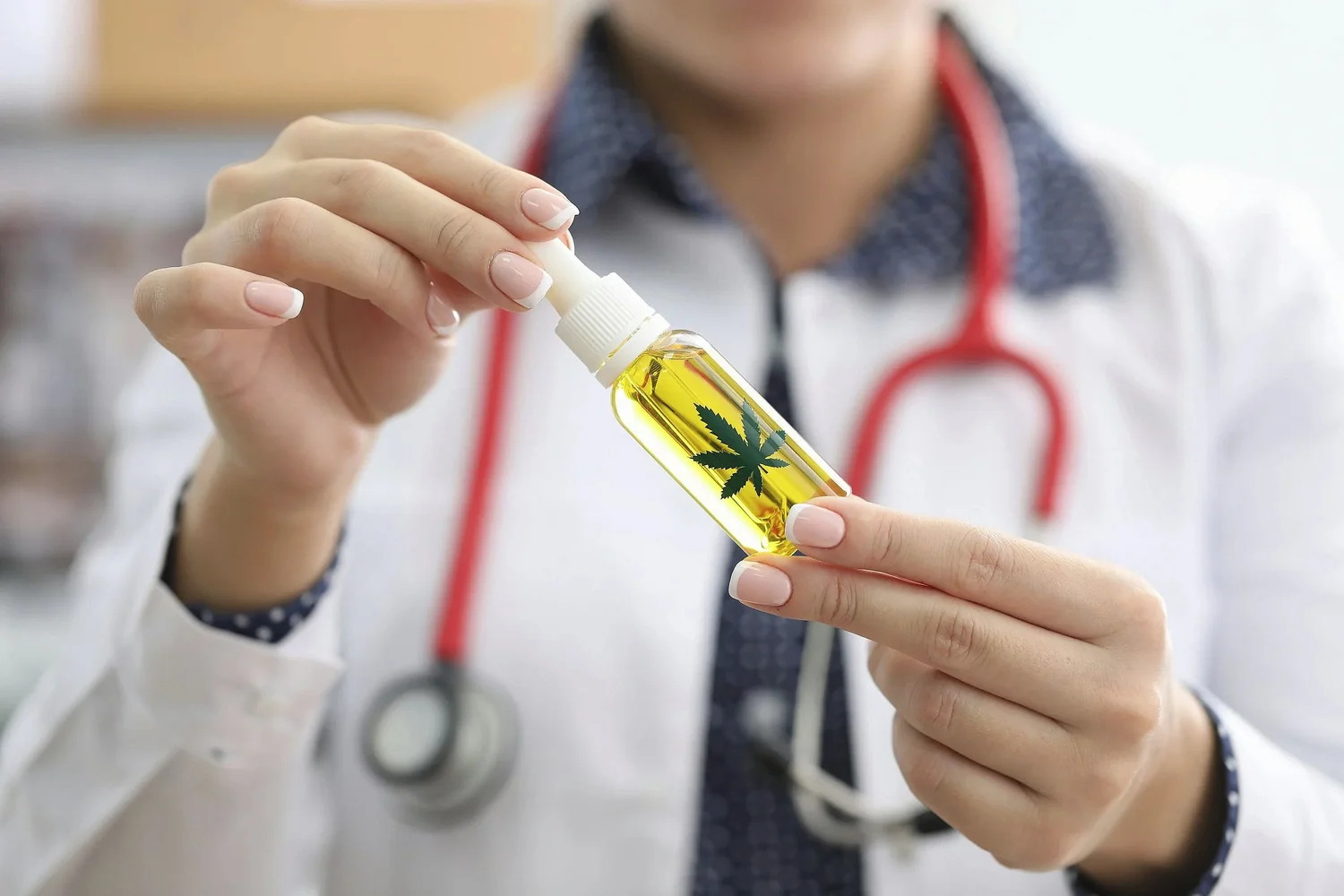
In studies on laboratory rats, researchers at the University of Florida and Texas A&M University College of Dentistry found that cannabidiol (CBD) appeared to enhance the pain-relieving effects of oxycodone without increasing the risk of addiction.
CBD is one of the many cannabinoids found in cannabis. It does not have the same psychoactive effects of tetrahydrocannabinol (THC), but is believed to have some therapeutic benefits.
The rats were treated with CBD, oxycodone or a combination of the two daily for two weeks, while acute pain was induced in the laboratory.
The study findings, published in The Journal of Pain, found that CBD enhanced oxycodone’s antinociceptive effect, meaning it blocked pain signals from reaching sensory neurons in the brain. CBD also did not affect the “rearing behavior” or “place preference” of rats, activities that may have suggested they were becoming dependent or addicted to oxycodone.
“Together, these findings suggest that cannabidiol potentiates the analgesic effects of oxycodone without affecting its reward-related properties. These results support the potential of cannabidiol as an adjunctive, opioid-sparing agent in pain management,” researchers wrote.
A recent study of 21 people with knee osteoarthritis reached a very different conclusion, finding that a low-dose of opioids taken with a cannabis-based medicine did not relieve acute pain.
That study, however, was deeply flawed. The cannabis-based medicine was dronabinol (Marinol), a synthetic version of THC. Dronabil is FDA-approved to treat nausea and improve appetite, but is not intended to provide pain relief. The medication also has little in common with the various forms of cannabis (edibles, smoking, vaping) used in the real world.
Granted, the use of dronabil and laboratory rats are major weaknesses in both studies, which highlights how cannabis research has long been stifled in the U.S. by marijuana’s status as an illegal Schedule I controlled substance.
The DEA is now allowing more cannabis to be used for research purposes and recently reclassified medical marijuana as a Schedule III drug, which allows for medical uses. It could be years, however, before we see more high-quality studies about the risks and benefits of cannabis products.