Latest Stories – Pain News Network – Read More
By Crystal Lindell
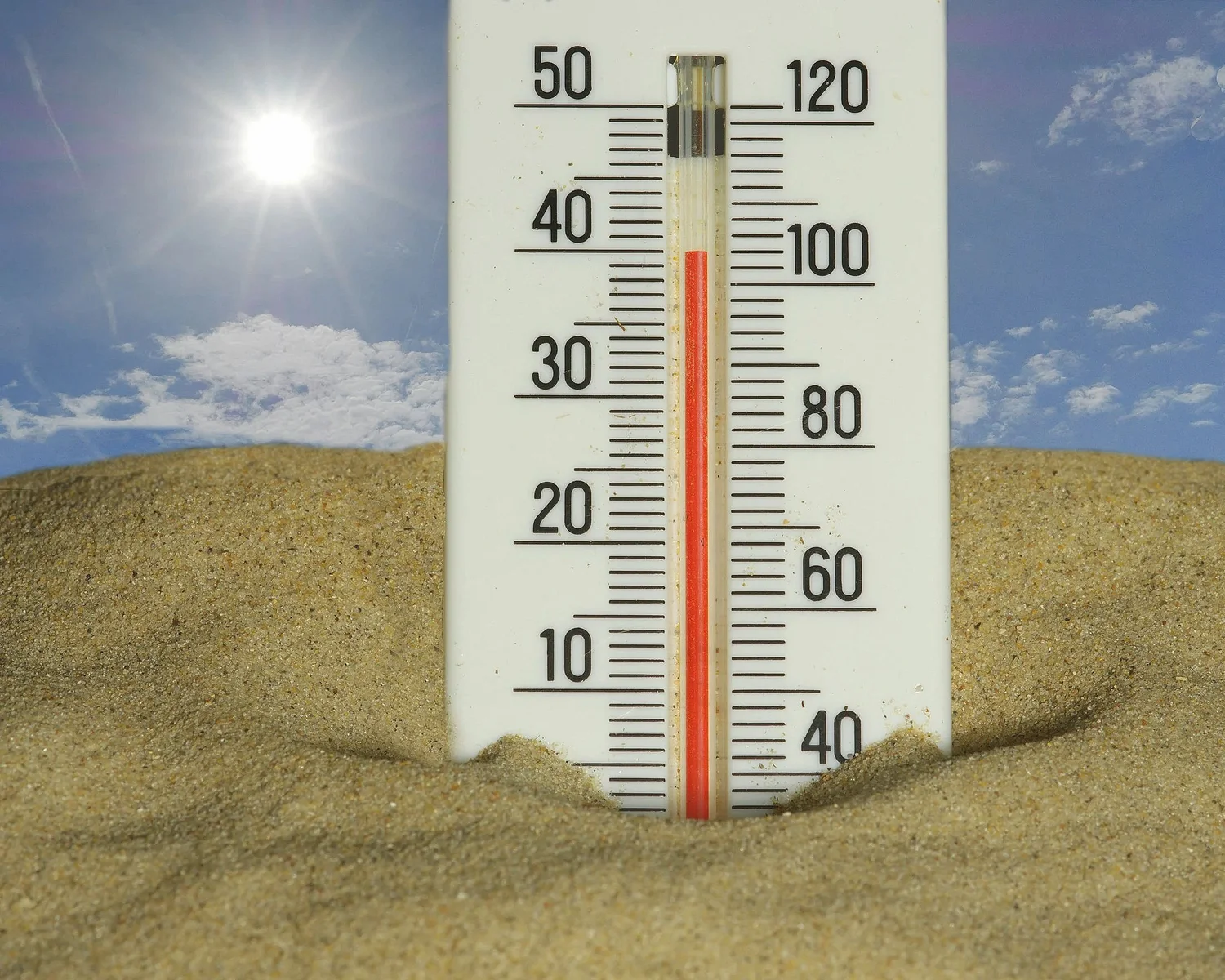
While the official summer season started June 21, here in northern Illinois it has definitely felt like summer for almost three months already.
And with summer weather comes lots of heat, humidity, and thunderstorms – all of which can be tough to deal with when you live with chronic pain.
But there are some things you can do that make surviving the hottest months of the year a little more bearable, even if your body is doing its best to make your life miserable.
1. Learn How Weather Impacts You
I can always feel when a summer thunderstorm is coming. All of my joints hurt more, and the intercostal neuralgia pain in my ribs becomes so intense that it’s difficult for me to stay upright.
But then, when the rain finally falls, there’s a relief that often envelops my body, as though the swelling is being released.
One thing I have noticed is that when I talk to fellow chronic pain sufferers, many of them don’t even realize that their pain is flaring because storms are coming. The flare may begin when the sky is bright and clear, and the storm itself is still a few hours away.
Learning how weather impacts your body can be very helpful when it comes to predicting and navigating flare ups. Try keeping a diary, either digitally or on paper, of your pain flares. Then compare local weather patterns to the flares to see if they are storm-related. You can look up past weather patterns for your area on Weather Underground.
When you get really confident in the patterns, you can start to look at the weekly weather forecast as a sort-of pain forecast, which can then help you better plan out your commitments.
For example, perhaps you’ll schedule your lunch with friends when you know it’s not going to rain for a few days. Or you can reschedule your dentist appointment if you see a storm coming.
2. Embrace Rest on Sunny Days
I’m not sure how things go in the rest of the country, but here in the Midwest everyone feels the need to be as active as possible whenever the weather heats up. It’s because we spend most of the year dealing with freezing temperatures and snow.
There’s a Midwest guilt that comes over us if we ever feel like we are wasting a good weather day. It’s like we are worried that if we don’t show enough appreciation for 80 degrees, we’ll face the punishment of an early winter.
When you have chronic pain though, summer can be especially difficult to deal with. Changes in pressure and humidity can cause inflammation and increased pain, while the heat can be more difficult to tolerate.
So, even if it’s sunny outside, try to remember that rest is both helpful and necessary. It’s good to “waste” a sunny day inside with air conditioning, if that’s what you need to feel your best.
3. Wear Compression Socks
Personally, I’m a fan of compression socks all year round, but when the temperatures get past about 75 degrees Fahrenheit, they become a staple in my outfits.
Heat is one of the main causes of fluid buildup in your ankles, which in turn causes swelling. It’s more likely to happen if you have certain health conditions, or take medications like gabapentin and NSAIDs.
Compression socks can make a world of difference, by reducing the amount of swelling you’ll experience on the days when you need to be on your feet more or when it’s just especially hot outside.
Plus, keeping your foot and ankle swelling down with compression socks also makes the recovery cycle easier to get ahead of. The less swelling you have, the faster it will go away.
Summertime isn’t always a day at the beach for chronic pain patients, but with a little bit of planning and a few accommodations, it can still offer lots of fun!
What tips do you use to survive the hot summer months? Is your pain better or worse when the weather heats up? We’d love to hear from you in the comments below!