KFF Health News – Read More
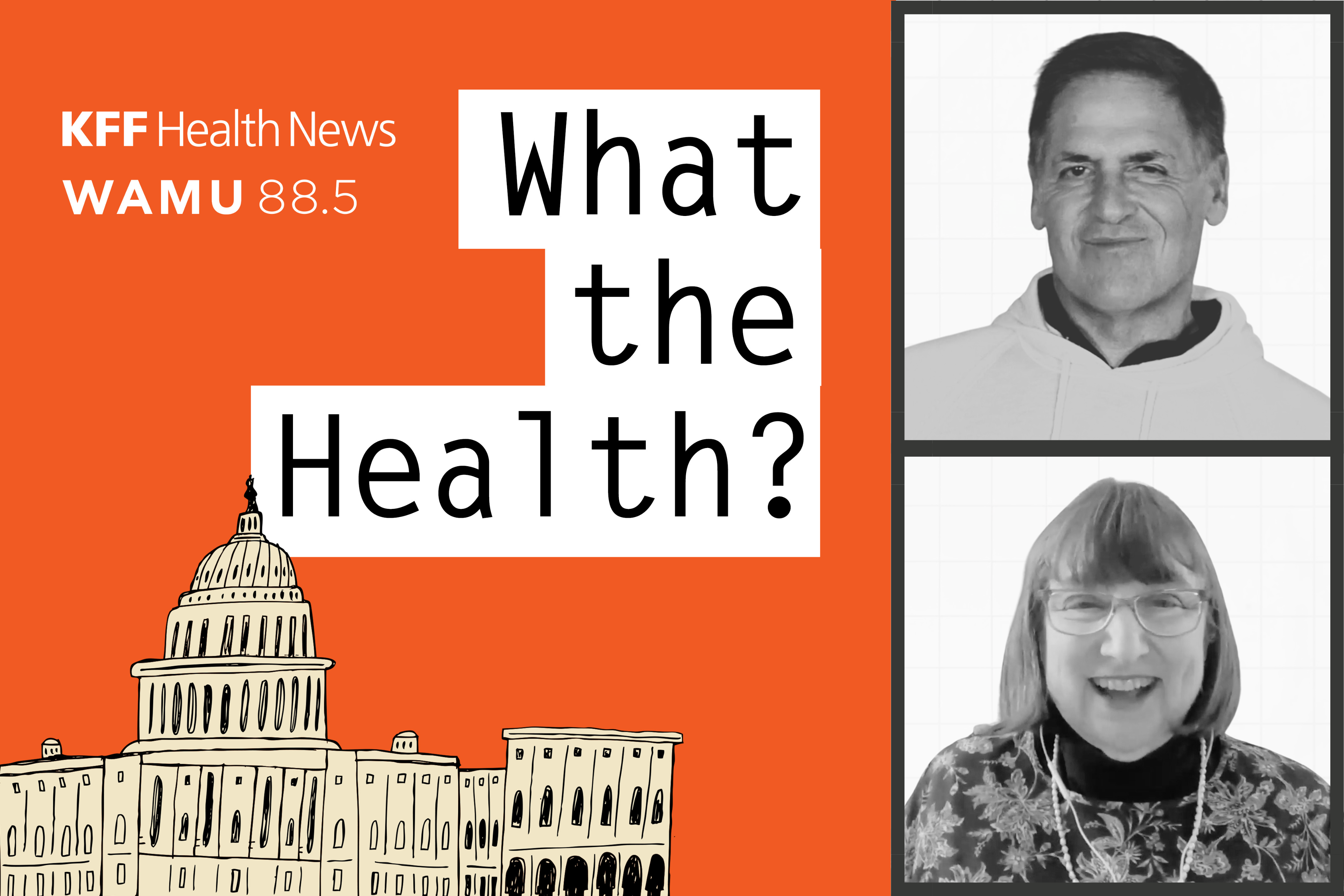
The ongoing debate over the U.S. health system shouldn’t be based on whether the government or the private sector is the dominant player, billionaire entrepreneur Mark Cuban said this week. The bigger issue, he said, is whether the system’s participants are transparent about what they charge and what they pay.
“I’m not opposed to single-payer or universal healthcare at all,” Cuban said Aug. 18 in an interview with KFF Health News. But “when you don’t know all the costs, when there’s no transparency, it’s impossible to determine if it’s a better solution or not,” he said.
Cuban’s remarks came on the heels of primary election victories by progressive supporters of “Medicare for All” — most notably Abdul El-Sayed, who recently clinched the Democratic Senate nomination in Michigan.
The former majority owner of the Dallas Mavericks and a former investor on the hit TV show Shark Tank, Cuban changed the way generic prescription drugs are sold in 2022 by co-founding Mark Cuban Cost Plus Drugs. The website, which posts all its costs and takes a blanket 15% markup, sells thousands of medications, often at deep discounts compared with buying through private insurance plans or self-pay pharmacies.
“We took the transparent path for an industry where there was zero transparency,” Cuban said. “Everybody else prices to the market; we price to what we thought was fair.”
Cuban said that, in thinking about the broader problems facing the U.S. healthcare system, the key is to rebuild trust. “Trust really is a formula,” he said. “Trust equals transparency divided by self-interest.”
One way to build trust, he said, is to give consumers incentives to find the best price for nonemergency health services. Cuban said that means every medical purchase should count toward health insurance deductibles and out-of-pocket maximums, which is not currently the case.
He also advocates breaking up some of the vertically integrated health companies that have grown so large — owning insurers, care providers, and the companies that serve them — that they can dictate their prices. “If you break up these big, huge conglomerates, everything changes. The price of everything drops like a rock,” he said.
But so far, only a few lawmakers have been brave enough to push that goal, Cuban said, citing the Break Up Big Medicine Act co-sponsored by senators Josh Hawley of Missouri, a Republican, and Elizabeth Warren of Massachusetts, a Democrat.
In the end, Cuban said, what matters is not who is running the system but whether all the cards are on the table — in particular, whether the terms of healthcare contracts are public. Whether it’s the government or private businesses doing the negotiating, “if you don’t know how the deals are structured, it’s impossible to negotiate better ones.”
The interview was part of the “How Would You Fix It?” series featuring Julie Rovner, KFF Health News’ chief Washington correspondent and host of the What the Health? podcast.
An abbreviated version of this interview aired Aug. 20 in Episode 460 of What the Health? From KFF Health News: “Headless FDA Gets a New Nominee.”
KFF Health News is a national newsroom that produces in-depth journalism about health issues and is one of the core operating programs at KFF—an independent source of health policy research, polling, and journalism. Learn more about KFF.
This article first appeared on KFF Health News and is republished here under a Creative Commons Attribution-NonCommercial-NoDerivatives 4.0 International License.