HIT Consultant – Read More

Urban Health Plan scheduled 794,322 patient visits in 2022. Only 457,722 people showed up.
The missing 336,600 appointments cost the New York health system revenue, burned out their providers with constant rescheduling, and forced patients to wait weeks for the care they needed. Urban Health Plan isn’t alone. Missed appointments drain $150 billion from U.S. healthcare every year, according to research published in the Annals of Family Medicine.
Healthcare systems have tried to fix this with phone trees and email reminders. These tools can’t solve the problem because they treat every patient the same. A 28-year-old working two jobs needs different communication than a 65-year-old retiree. Someone without reliable transportation faces different barriers than someone who simply forgot their appointment.
Secure AI automation can identify which patients are most likely to miss appointments and help staff reach them with the right message at the right time.
Traditional Outreach Doesn’t Work Anymore
Young patients, underinsured patients, and non-English speakers miss appointments at the highest rates, according to the Annals of Family Medicine study. These groups face real barriers that generic reminder emails can’t solve. Transportation falls through at the last minute. Work schedules change without warning. Life gets in the way, and a text message sent three days early doesn’t help someone whose car broke down that morning.
The operational damage compounds quickly. Providers overbook their schedules to compensate for expected no-shows, which creates hour-long waits when more patients show up than expected. Contact center agents spend hours on the phone handling routine appointment confirmations and reminders, one patient at a time, while hundreds more sit on hold. Urban Health Plan faced 3,000 appointments daily. No staff could physically call every patient to confirm, so they had to guess which ones to prioritize.
Staff burnout stays high when the same problems repeat week after week without resolution. Agents waste time on low-risk patients who would have shown up anyway instead of focusing on the high-risk cases that actually need human intervention. Schedulers play Tetris with appointment slots while providers rush through visits to stay on schedule.
AI Predicts Who Won’t Show Up
Prediction algorithms hit 85-90% accuracy in flagging appointments likely to be missed before they happen. These models surface patterns in patient age, insurance status, distance from the clinic, provider experience, appointment history, and even weather conditions.
This accuracy changes how staff spend their time. Instead of guessing which 400 patients out of 3,000 daily appointments need a call, staff contact the 400 patients the algorithm flags as high-risk. They can direct resources to patients who need reminders, transportation help, or schedule flexibility. Time goes where it makes a difference instead of into generic reminders sent to everyone on the schedule.
Urban Health Plan added just 1.5 full-time staff members to handle these targeted calls. Those employees made about 400 calls per day to patients the AI identified as most likely to miss their appointments. The health system didn’t need to hire dozens of schedulers or build a massive call center; they just needed the right information about which patients to reach. Within three months, show rates for the highest-risk patients increased by 154%.
Text Messages and AI Agents Get Results
Identifying high-risk patients is only half the solution. Healthcare systems also need to communicate effectively with thousands of other patients on the schedule. AI-powered systems can handle routine tasks through SMS, chat, and voice channels. This frees staff to focus their time on the 400 high-risk patients flagged by prediction algorithms who need personal calls, transportation assistance, or schedule flexibility.
These AI systems handle appointment confirmations, rescheduling requests, and prescription refills around the clock. When a patient texts to cancel at the last minute, AI can automate a message offering to convert the visit to a same-day telehealth appointment. The system supports multiple languages without requiring interpreter scheduling, which removes delays that often cause patients to give up on phone calls. When doctors at Urban Health Plan called high-risk patients directly to offer same-day virtual visits, nearly 100% accepted.
Stop Leaving Money and Patients Behind
The technology to cut no-shows already exists. Healthcare systems don’t need to accept 40% no-show rates as inevitable. They need to stop relying on phone calls and generic email reminders to reach patients facing real barriers to care.
AI prediction models show staff which patients need help. But prediction alone doesn’t fix the problem. Healthcare systems need platforms that can act on that information without requiring dozens of new hires or months of implementation. The systems that work integrate with existing EHRs, operate across the channels patients already use, and free staff to handle the conversations that actually require human judgment.
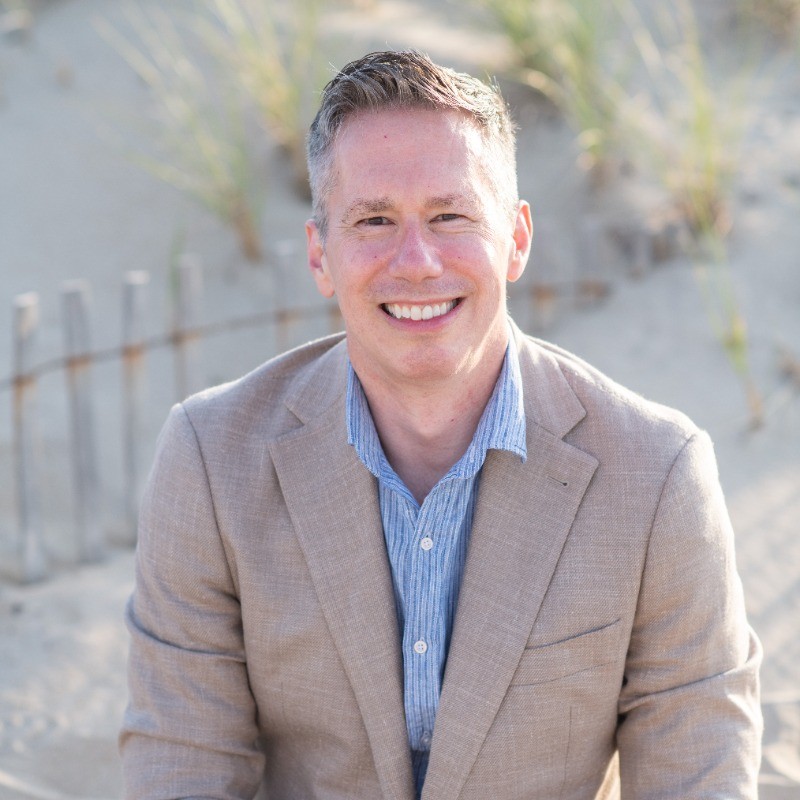
About David Karandish
David Karandish is Founder & CEO of Capacity – an enterprise SaaS company headquartered in St. Louis, MO. Capacity is a support automation platform that uses AI to deflect emails, calls, and tickets so internal and external support teams can spend more time doing their best work.
Prior to starting Capacity, David was the CEO of Answers Corp. He and his business partner Chris Sims started the parent company of Answers in 2006 and sold it to a private equity firm in 2014 for $960m.
David sits on the boards of Create a Loop (a computer science education non-profit tackling the digital divide by teaching kids to code). David was also an early investor and board member at Nerdy (NYSE: NRDY), an on-demand, real-time learning platform in the ed tech space.