HIT Consultant – Read More
What You Should Know
- Southwest Mississippi Regional Medical Center (SMRMC) in McComb, Mississippi—the flagship hub of Southwest Health—announced on September 17, 2026, that it has completed the first U.S. clinical installation of the Philips Rembra CT system.
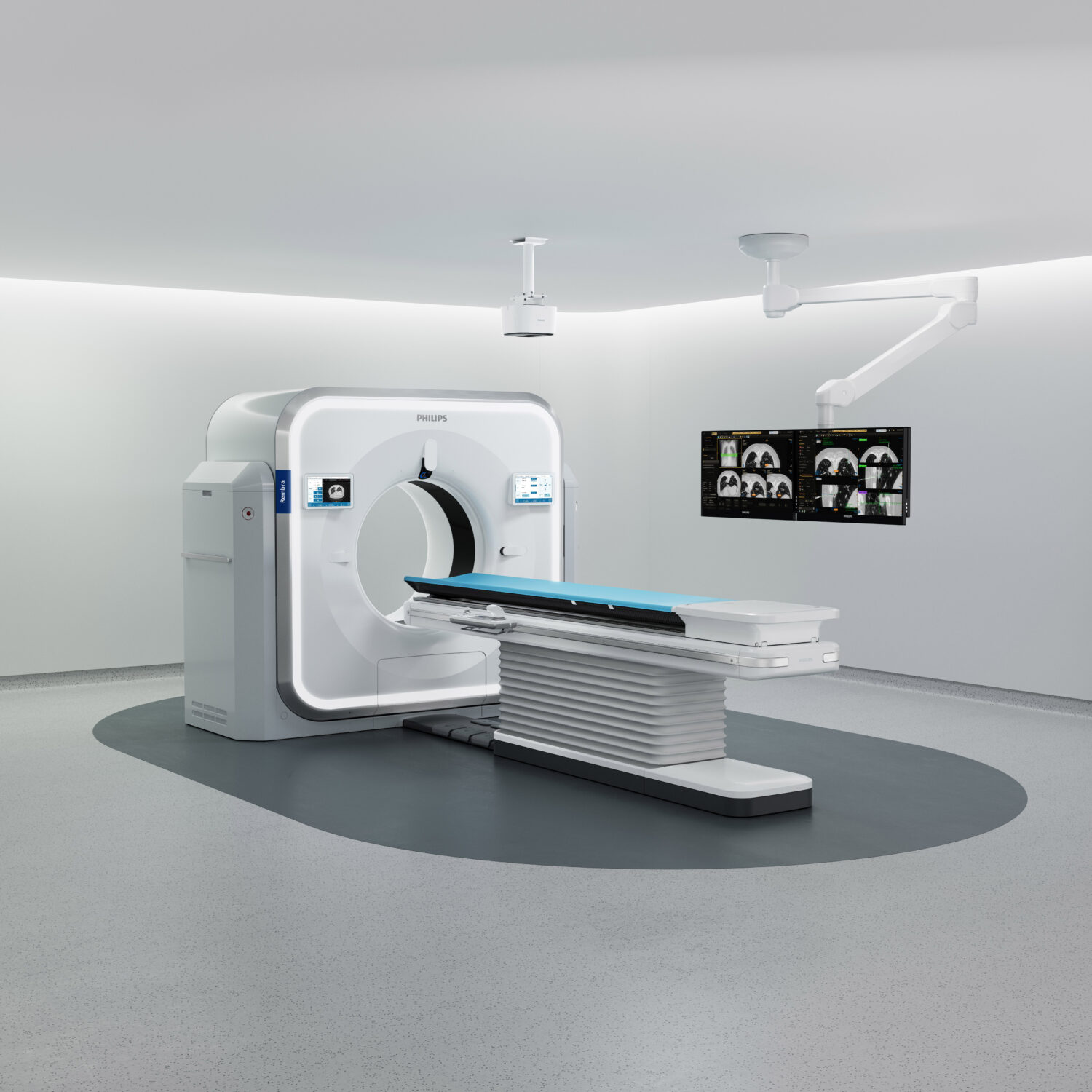
- The FDA 510(k)-cleared CT scanner is engineered specifically for acute, trauma, and high-demand emergency departments to accelerate patient throughput and reduce table time.
- The system features a largest-in-class 85 cm bore, facilitating easier patient positioning, bariatric access, and trauma intervention workflows.
- In throughput testing based on typical radiology profiles, the scanner demonstrated capacity to process up to 270 patient exams per day (recording 203 scans over a 12-hour testing window).
Engineering for High-Throughput Acute Care
Cleared by the FDA in spring 2026 as part of Philips’ broader oncology and radiology portfolio, the Rembra CT platform combines detector hardware, AI-guided positioning, and fast reconstruction engines tailored for high-volume emergency departments:
- High-Throughput Exam Capacity: Engineered to support up to 270 patient exams per day (demonstrating 203 scans over a 12-hour testing window), easing imaging department backlogs during peak surge periods.
- Rapid Reconstruction & Near-Real-Time Availability: Combines Philips’ proprietary NanoPanel Precise XD detector architecture with AI-enabled reconstruction tools, generating images in near-real time to accelerate clinical decision-making in trauma and stroke protocols.
- Largest-in-Class 85 cm Bore: Designed to facilitate rapid patient transfer and positioning, accommodating trauma splints, monitoring equipment, and bariatric patients who may struggle with narrower gantry openings.
- Technologist Workflow Automation: Introduces automated table initialization, 3D camera-assisted patient positioning, and streamlined protocol selection to reduce physical touchpoints and setup times for frontline imaging staff.
Expanding Regional Service-Line Capabilities
For community and rural health systems like Southwest Health, modernizing acute imaging infrastructure also enables clinical service-line retention:
- Local Specialty Diagnostics: Beyond routine emergency scans, SMRMC plans to utilize the platform’s high-pitch acquisition and spatial resolution to expand elective and outpatient diagnostic lines, including cardiac CT angiography (CCTA) and virtual colonoscopy.
- Mitigating Patient Outmigration: Providing advanced, tertiary-grade imaging locally prevents patients in rural communities from traveling long distances to urban academic centers for specialized scans.
Strategic Rationale: Addressing the Rural Diagnostic Access Divide
The commercial deployment highlights a strategic shift among medical device manufacturers. High-speed, wide-bore CT scanners—historically restricted to tier-one academic trauma centers—are increasingly being optimized with AI-guided automation to make them viable for regional and community health networks. By simplifying protocol selection and technologist workflows, platforms like Rembra allow community hospitals to handle high patient volumes and advanced cardiac imaging without requiring specialized super-user staffing on every shift.