HIT Consultant – Read More


Key Takeaways:
- Telehealth’s biggest barrier for older adults isn’t lack of interest or access, but design choices that overlook cognitive, sensory, and usability needs.
- Age-inclusive design, like simpler interfaces, fewer steps, accessibility features, and caregiver support, can significantly improve virtual care experiences.
- Clinicians play a critical role, and targeted training focused on empathy, communication, and aging-related challenges is as important as technical proficiency.
- Designing telehealth without assumptions and actively involving older adults in testing is essential to delivering equitable, effective virtual care as the population ages.
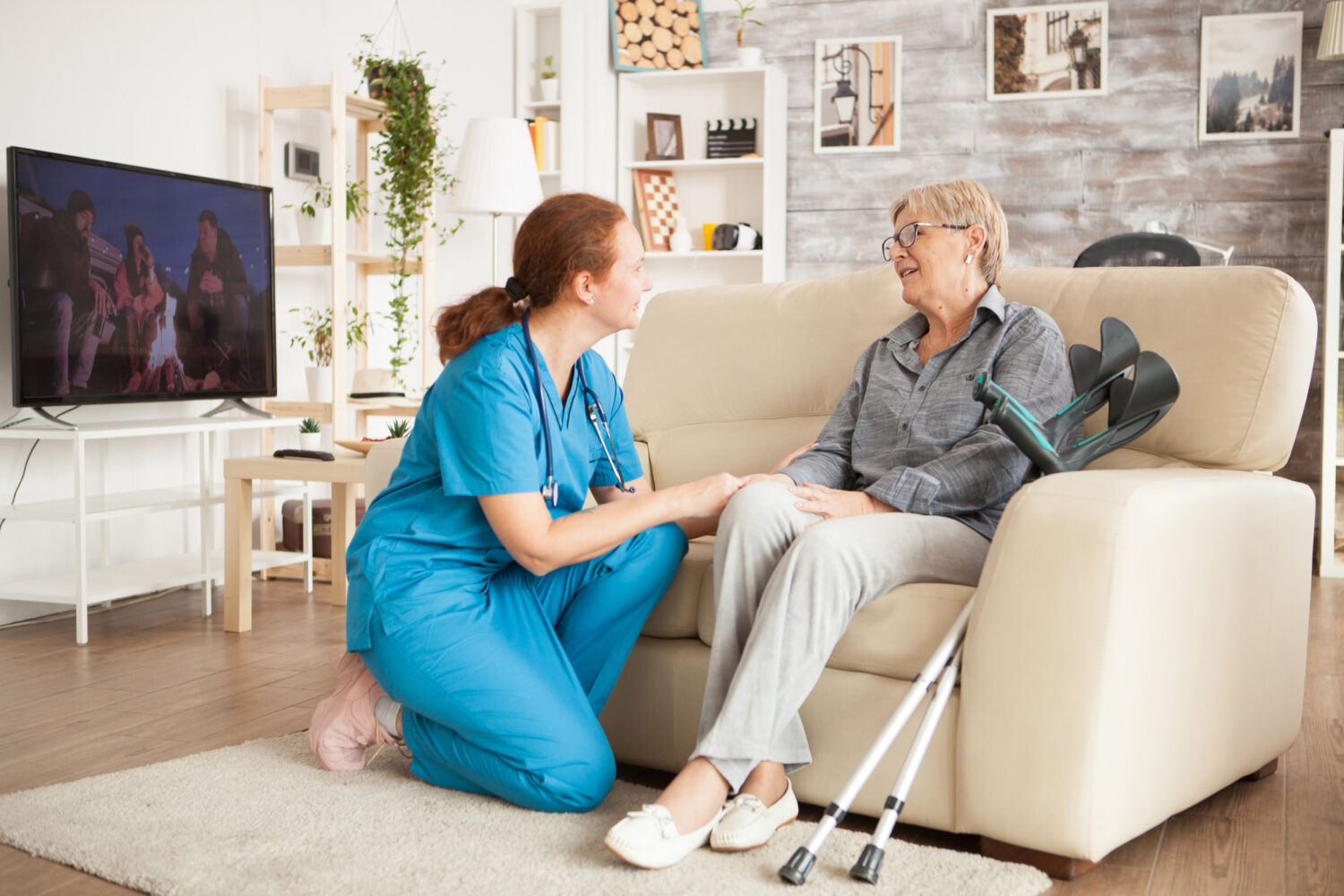
When telehealth surged into mainstream care delivery, many providers embraced its promise: convenience, flexibility, and continuity. But for a significant and growing segment of the population — older adults — that promise is often left unfulfilled. Instead of streamlined access, they encounter friction. Instead of empowerment, frustration. The gap isn’t technological. It’s design.
Telehealth, in its current form, often overlooks the realities of aging. Yet the issue isn’t a lack of interest from older adults, but rather the way virtual care is designed. In a study published in the National Library of Medicine, more than half of older adults expressed interest in video visits, but only about one-third felt comfortable using video platforms. That pattern held across older age groups, highlighting a clear disconnect: Older patients want access to telehealth but aren’t being supported in using it.
Bridging that gap means thinking beyond devices and platforms. It means designing every touchpoint with usability and dignity in mind.
The Disconnect: Where Telehealth Falls Short
Older adults face a distinct set of barriers in virtual care environments, and these go well beyond digital familiarity. Many platforms assume users can easily read fine print, hear subtle audio cues, navigate multistep logins, or toggle between applications — capabilities that can’t be taken for granted.
Cognitive overload is a frequent challenge. Interfaces packed with small text, unclear buttons, or abrupt prompts can overwhelm patients already dealing with memory or processing issues. Sensory limitations compound the problem. Visual impairments, hearing loss, and reduced dexterity make standard telehealth setups difficult, if not impossible, to use without assistance.
This isn’t just a usability issue but rather a care equity issue. When older adults struggle to engage with telehealth tools, their access to timely and consistent care suffers.
Designing With Age in Mind
Fortunately, many of these challenges can be addressed through thoughtful design and workflow adjustments. Simplification is key. That includes clear, uncluttered interfaces with large buttons, high-contrast visuals, and readable fonts. Systems should reduce the number of steps required to join a visit and avoid requiring multitasking across apps or tabs.
Providers can support patients by embedding pre-visit tech checks into workflows. These brief, proactive check-ins ensure devices are functioning, patients know what to expect, and any concerns are addressed before a clinical encounter begins.
Designing telehealth for older adults also means recognizing the importance of caregiver participation and sensory accessibility. Systems that support inclusive features are more likely to deliver positive experiences. Some key adjustments include:
- Easy caregiver integration, with options for joint logins or separate access links.
- Built-in captioning for those with hearing loss.
- Compatibility with assistive devices, including hearing aids or screen readers.
- Clear audio and visual cues, instead of solely relying on text-based prompts.
- Reduced visual clutter, with simplified layouts and fewer on-screen distractions.
These are not costly or complex fixes but rather achievable steps that can make virtual care far more usable and welcoming.
Equipping Clinicians to Lead Inclusively
Inclusive design isn’t limited to technology. It’s also about clinician preparedness. Too often, telehealth training focuses on platform navigation, billing, and compliance, leaving out the human factors that shape virtual care success.
One way to close the gap is through targeted training that helps clinicians adapt virtual care for older patients. Fortunately, they’re not starting from scratch. Across the country, health systems, educators, and researchers are developing training programs and clinical models based on real-world insights and patient feedback.
Scenario-based education that emphasizes empathy, clear communication, and practical strategies for navigating cognitive or sensory challenges can be especially effective. Programs developed with input from geriatric experts and front-line clinicians are helping providers build confidence and connection in virtual settings — skills as essential as platform proficiency.
Clinicians don’t need to become tech experts. But they do need to understand how aging affects the telehealth experience and how small adjustments, like speaking more slowly, confirming understanding, or giving patients time to process, can make a significant difference.
One example of this momentum is a national collaboration focused on improving telehealth for older adults. Academic, clinical, and nonprofit leaders have come together to develop open-access learning resources that help providers deliver care that’s inclusive, effective, and designed for aging in place. These tools equip clinicians with practical guidance and establish a framework for making virtual care more person-centered and responsive to the needs of older adults nationwide.
The Principle That Guides Everything
If there’s one rule to follow when designing telehealth for older adults, it’s this: don’t assume. Don’t assume all older patients are unfamiliar with technology, and don’t assume they’re fully comfortable either.
Design systems and workflows with flexibility, and center them on usability. Better yet, invite older patients to test your processes. Their feedback is often the most illuminating.
A Better Virtual Future
Telehealth can be a powerful tool for expanding care access, but only if it’s accessible to everyone. As the population ages, the demand for thoughtful, inclusive design will only increase. Health systems that invest now in building age-friendly telehealth infrastructure will be better positioned to serve their communities effectively.
There are resources and momentum behind this work. A growing network of clinicians, health systems, researchers, and advocacy leaders is contributing insights, sharing best practices, and shaping training tools that reflect the realities of aging. As this collective effort expands, clinicians will be better equipped to deliver virtual care that truly works for older patients. By reimagining how telehealth works for every age, we move closer to a system that delivers on its promise for everyone.
About Dr. Laurie Archbald-Pannone
Dr. Laurie Archbald-Pannone is the Claude Moore Associate Professor of Geriatrics and Infectious Diseases at the University of Virginia School of Medicine and serves as medical director for the Center for Telehealth and Aging. Her work focuses on aging, infection control, and virtual care in post-acute and long-term care settings.
About Dr. Liane Wardlow
Dr. Liane Wardlow is Senior Director of Clinical Research and Telehealth at West Health Institute, where she leads research on care-in-place models for older adults. Her work spans telehealth, home-based care, and programs that support aging with dignity.