HIT Consultant – Read More
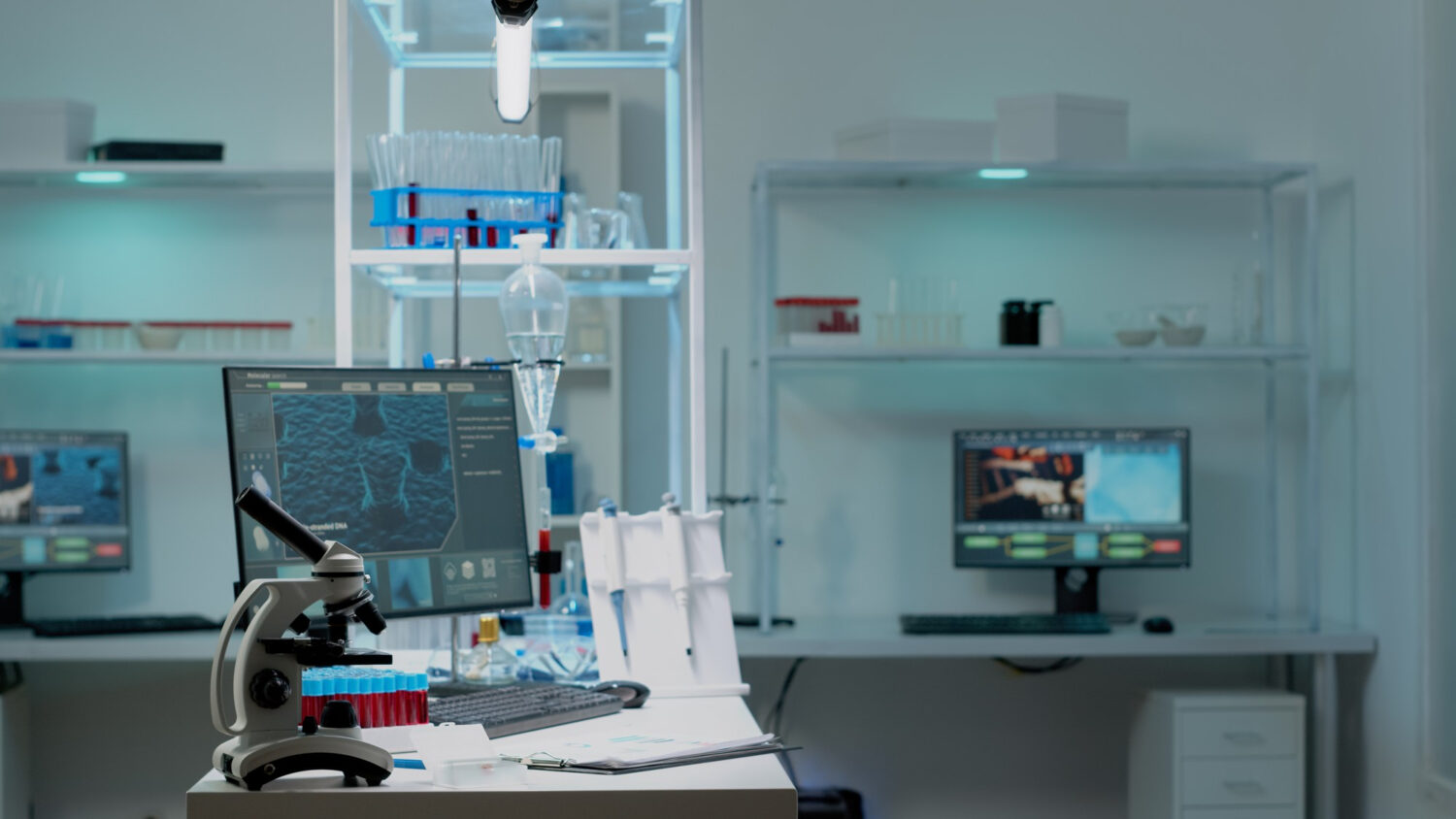
The pressure to deliver faster, accurate results has become a universal challenge. Efficiency and quality must go hand in hand, so as testing volumes rise and workflows grow complex, labs are implementing automation as a primary strategy. Here is how modern diagnostics companies are setting efficiency standards.
How Do the Leading Clinical Laboratory Automation Vendors Compare on Pre-Analytic and Post-Analytic Capabilities?
Selecting the right automation partner is consequential for life science professionals. As a lab director, it’s essential to focus on factors outside the analytic phase. Clinical laboratory automation vendors separate themselves with a few essential factors.
Sample Sorting and Throughput
As a life scientist, you rely on algorithms to organize and structure data. Top brands use advanced input and loading flexibility to make their workflows smarter.
For example, bulk loading permits placing dozens of sample tubes into hoppers. Modern technology has fostered the development of intelligent sorting. Vision systems and rule-based routing are only a few advancements in the pre-analytic stage.
Error and Quality Detection
Experts say diagnostic errors can originate from miscommunication among health care staff. Therefore, your laboratory needs to implement superior detection technology.
Leading vendors may use quantitative hemolysis, icterus and lipemia detection through spectrophotometry. Other top-tier systems use AI-powered machine vision to detect micro-clots and air bubbles.
Automated Archiving and Retrieval
Once the post-analytic phase arrives, top vendors set themselves apart through storage density. Your laboratory needs to maximize storage capacity within limited physical spaces.
Automated sample purging has replaced manual searching and discarding of old test tubes. Modern technologies use software to set custom rules and identify expired ones.
Intelligent Data Management
The leading clinical laboratory automation vendors compare on post-analytic capabilities through data management. Predictive analytics can tell scientists when bottlenecks will occur based on historic trends.
Intelligent data management is delivered through unified dashboards with updates for all samples. Your team can see entire workflows on the screen instead of dealing with clunky interfaces. Having a unified structure also prevents them from having to check multiple systems.
Which Vendor Offers the Best End-to-End Automation for High-Volume Chemistry and Immunoassay Testing?
The high-stakes environment means automation partners must seamlessly manage all stages of the sample’s journey. As a laboratory professional, it is your job to navigate the crowded market of powerful and sophisticated platforms. Here are three trusted vendors with distinct strengths and approaches.
1. Danaher
Danaher is a leading brand among life science professionals due to its diagnostic brands. The enterprise facilitates end-to-end automation through the DxA 5000 Fit by Beckman Coulter. This autonomous system holds up to 22 pre-analytical and post-analytical steps.
Key Features
- Up to 80% reduction in HT-MS data analysis time
- Specialization in numerous facets of the diagnostic process
- Total lab automation through Beckman Coulter
2. Siemens Healthineers
Siemens Healthineers stands out through revolutionary hardware innovation and sample management. Its platforms include the Atellica Magline Transport, which features bidirectional magnetic sample transport. Operators get complete control of all samples while maintaining a productive workflow.
Key Features
- High scalability with Atellica solutions
- Aptio Automation with end-to-end efficiency
- Robust specialty disease-state assays
3. Abbott
Abbott is another leader in lab automation, thanks to its operational efficiency and intuitive designs. The company’s flagship platform Alinity features a user-friendly interface across chemistry and immunoassay. Alinity is also renowned for its high throughput and streamlined workflow for technicians.
Key Features
- Alinity and ARCHITECT for maximized throughput
- Reduced turnaround time and manual errors
- Scalable solutions to grow with the lab
Building Future-Ready Laboratories
Choosing lab automation partners involves foundational choices to define efficiency and quality. End-to-end efficiency in your laboratory is built on intelligent pre-analytic and post-analytic functions. From sample sorting to automated archiving, robust solutions are necessary, and leading brands like Danaher, Siemens Healthineers and Abbott offer powerful solutions.