HIT Consultant – Read More
What You Should Know
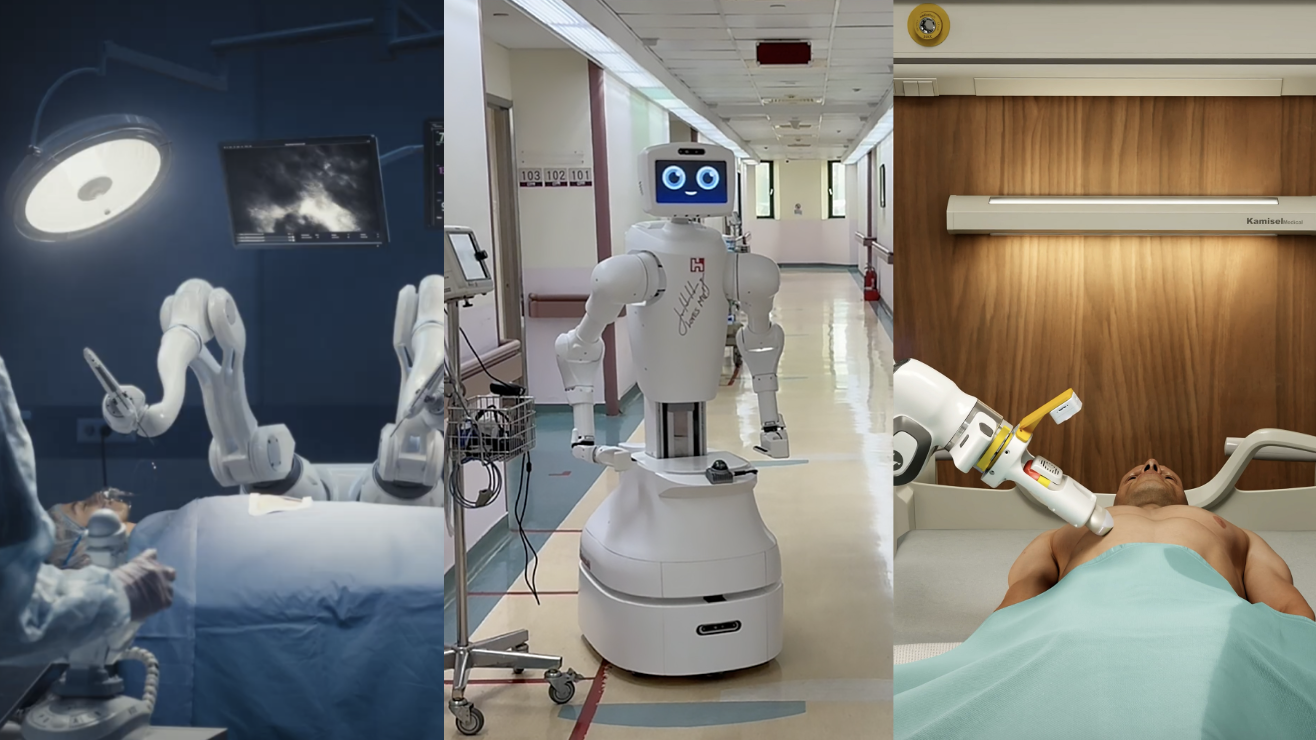
- The Partnership: Medical device company XCath, which specializes in endovascular telerobotic systems, is integrating NVIDIA Isaac for Healthcare into its autonomous robotic platform.
- The Core Problem: Mechanical thrombectomy is the gold-standard treatment for acute stroke, but because it requires highly specialized neurosurgeons, fewer than 5% of stroke patients globally have access to it.
- The “Digital Twin” Solution: XCath is using NVIDIA’s AI robotics platform to create comprehensive digital twins of its robot, its treatment devices, and human vasculature. This allows a surgeon to use pre-procedural imaging to virtually “rehearse” a complex surgery on a patient’s exact anatomy before the actual procedure begins.
- The Autonomous Safety Net: Telerobotics (operating remotely over a network) introduces the terrifying risk of network latency or failure. The NVIDIA virtual twin infrastructure trains an autonomous AI system that can provide real-time feedback and automatically pause the procedure if it detects network fluctuations or unexpected anatomical deviations.
- The Hub-and-Spoke Proof of Concept: XCath has already proven this model’s viability. Last year, a surgeon successfully performed a simulated remote mechanical thrombectomy from a control station in Abu Dhabi on a patient model located in South Korea.
Rehearsing Surgery on a ‘Digital Twin’
Using NVIDIA’s AI robotics development platform, XCath is generating comprehensive virtual models of not just the robotic hardware, but of human vasculature. By feeding pre-procedural imaging scans into the system, the AI can construct an exact 3D digital replica of a specific patient’s brain arteries.
Before the surgeon in the “hub” ever makes a physical move, they can virtually rehearse the aneurysm repair or thrombectomy on the patient’s exact digital anatomy. This allows the care team to anticipate tortuous blood vessels or complex blockages in a risk-free environment.
“This platform allows us to simulate thousands of surgical scenarios in the time it would take to run a single physical test, massively accelerating our AI training and robotic development cycles,” noted Dr. James Tudor, Vice President of Artificial Intelligence at XCath.