Healthline News RSS Feed – Read More

- Obesity is now linked to at least 13 types of cancer, making it one of the most preventable cancer risk factors in the United States.
- Obesity reconfigures bodies at the cellular level, creating an environment where cancer can develop and spread.
- The longer someone has a BMI in the obesity range, the harder it is to reverse the effects.
- Preventing obesity is a more effective cancer-prevention strategy than reversing obesity.
Obesity now accounts for roughly 10% of all new cancer diagnoses in the United States each year, and up to 50% of certain cancers — including endometrial and liver cancer — according to a new review published March 9 in JAMA.
Obesity actively creates the conditions cancer needs to thrive. It is linked to at least 13 cancer types, among them colorectal, pancreatic, ovarian, breast, thyroid, and kidney cancers.
More than 40% of adults and 20% of children were living with obesity in the United States from 2021 to 2023, according to data from the Centers for Disease Control and Prevention (CDC). Obesity is defined as a body mass index (BMI) of 30 or higher.
“It’s almost alarming how much obesity really changes our bodies,” Neil Iyengar, MD, an oncologist at Winship Cancer Institute and co-author of the review, told Healthline.
Obesity’s role in cancer development
The review authors cited inflammation as a key factor driving obesity-related cancer diagnoses.
Overweight and obesity often lead to chronic low-grade inflammation, which can promote tumor growth.
Fat tissue, Iyengar explained, is one of the most common tissues in the body, and most cancers develop either within it or directly beside it, using the inflammation as fuel.
“When you have chronic inflammation for a long period of time, you’re essentially creating an environment in your body that is ripe with growth factors, new blood vessels,” Iyengar said.
“If a cancer cell arises, it can leverage that inflamed environment and use all of those growth factors to grow into a tumor.”
For cancer cells to develop, certain cellular properties are required. Scientists have identified 10 of these properties, which include a cell’s ability to:
- divide without limit
- resist death
- build a new blood supply
- evade the immune system
Additionally, cancer cells can begin to “rewire” their metabolism to use extra energy as fuel, accelerating tumor growth.
Together, these properties create what Iyengar called a “host environment” for cancer to develop and thrive.
“Obesity causes a lot of those properties that lead a cell to become cancerous,” Iyengar said. “Nearly every process that leads to the development of cancer in our bodies is accelerated by obesity.”
Other factors that can be manipulated by obesity to drive cancer growth include:
- DNA damage: This becomes accelerated with obesity and can quickly turn a healthy cell cancerous while simultaneously slowing the body’s ability to repair the cell.
- Immune suppression: Obesity can make natural killer cells and T cells less effective at identifying and destroying abnormal cells before they form into tumors.
- Gut disruption: Extra weight can reduce the beneficial bacteria that produce anti-inflammatory molecules. Without them, the gut membrane begins to break down.
Long-term weight management may lower cancer risk
The longer a person remains in the obesity BMI range, the greater their cancer risk and the more difficult it becomes to reverse the damage.
The review authors found that losing more than 10% of body weight could help reverse the harmful biological processes associated with obesity.
However, weight loss is only meaningful if it’s sustained in the long term. Rapid cycles of weight loss and regain may do more harm than good. Every dramatic swing forces fat tissue to contract and expand rapidly.
“That’s going to cause even more inflammation and disrupt all of these processes even more,” Iyengar said.
Weight loss advice for cancer prevention
Preventing obesity has a significant impact on cancer prevention. That work, the review suggests, should start in childhood.
However, it’s never too late to achieve a healthy weight, and there are many proven strategies for weight loss, from bariatric surgery to medications, that can help.
GLP-1 drugs
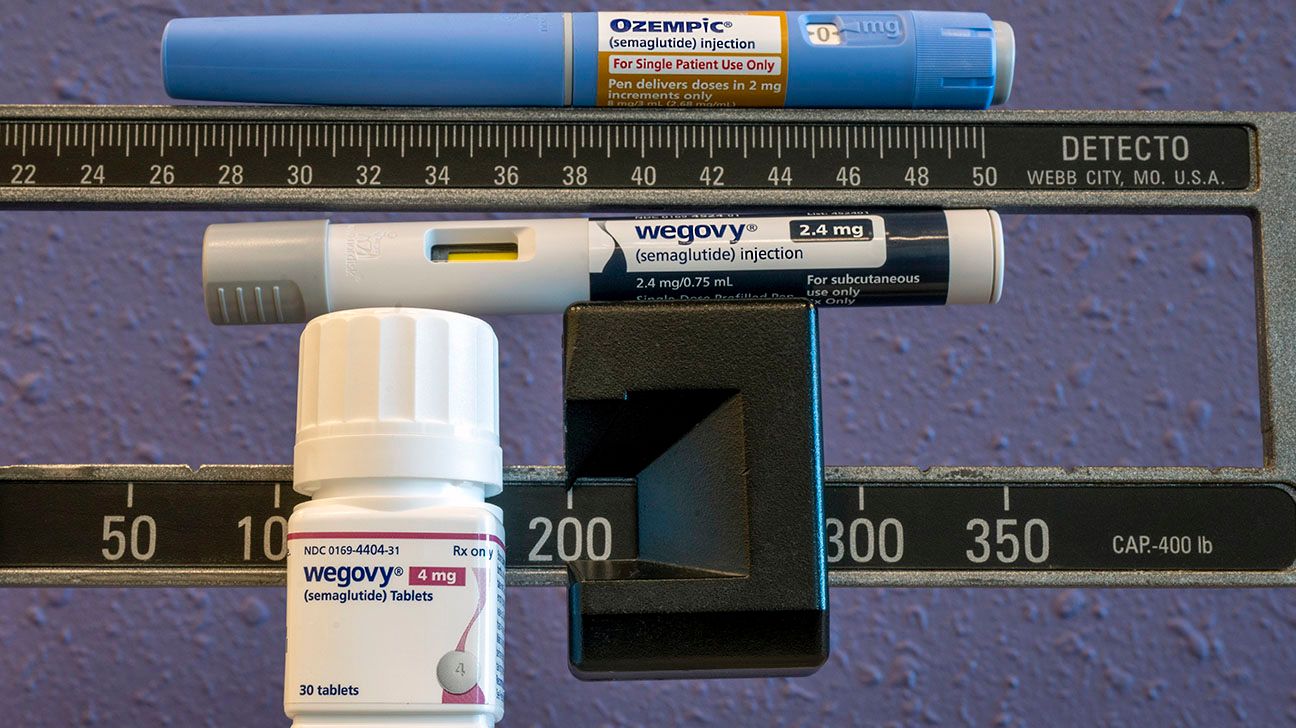
GLP-1 weight loss medications are associated with an average weight loss of 15–20%, according to data from various sources.
A 2024 study of more than 1.6 million U.S. patients with type 2 diabetes found GLP-1 use was associated with a meaningfully lower risk of 10 of the 13 obesity-associated cancers compared to insulin therapy, including pancreatic, liver, and colorectal cancers.
Iyengar referred to this blockbuster class of weight loss drugs as “an incredibly useful tool for weight loss and possibly for cancer prevention.”
However, a common pitfall of these medications is weight regain from stopping the drug without a plan. Without one, the resulting biological whiplash of that rebound may be worse than the obesity itself, Iyengar said.
“You have to pair them with lifestyle change so that you can maintain that weight loss when you taper down the drug,” he said.
Plate method
Tiffany Barrett, MS, a clinical dietitian manager at Emory University Winship Cancer Institute, who was not involved in the research, recommended the plate method as a practical starting point.
This strategy involves filling half your plate with colorful foods and emphasizes fiber, fruits, and vegetables. For example:
- 1/2 colorful vegetables and fruit (high in fiber, low in calories, and inherently anti-inflammatory)
- 1/4 lean protein
- 1/4 whole grains
Limiting processed meats and simple sugars and replacing sugary drinks with water directly reduces inflammation that may fuel cancer risk.
“You’re inherently reducing inflammation by consuming fiber and by limiting your processed foods and simple sugars,” Iyengar said.
Mindful eating
Barrett encouraged mindful eating as another approach.
The practice involves being attuned to hunger and fullness cues, minimizing distractions while eating, and avoiding the cycle of fad diets.
She said it’s about balance and that “the occasional indulgence should be enjoyed without guilt.”
Regular exercise
Current guidelines recommend 150 minutes of moderate-intensity physical activity per week, which can be broken into smaller sessions throughout the day.
Experts like Barrett also recommend strength training at least twice a week, targeting all major muscle groups.
“Women are often fearful to lift,” Barrett said. But strength training is critical for building lean muscle mass and keeping your metabolism working efficiently, she added.
Exercise isn’t just about losing the extra weight. Regular physical activity stimulates the same immune cells that identify and destroy abnormal cells before they become tumors.
“Exercise stimulates natural killer cells and T cells,” Iyengar said, “just the opposite of what obesity does.”
“It’s important to follow a healthy diet and exercise to lower inflammation and reduce cancer risk,” he said.