The Medical Futurist – Read More
Multivitamins, drugs, gene therapies, human skin, heart, eyeballs, kidneys, entire dead bodies – everything comes with a price tag. Putting aside the moral questions of why and how the capitalist market prices even our body parts and health, we asked the question of how much life is worth. What is the maximum that you would/should pay for a life-saving drug?
How high is too high a cost if a drug can save 200-300 babies a year from a debilitating illness or death? And ultimately, does the pricing of new technologies, especially gene therapies, enable them to fulfill their promise?
There’s a
price for everything: butterflies, pieces of moon land, organs
The world is a giant supermarket where you find price tags on everything. A rare butterfly can cost up to a grand on eBay, an acre on the surface of the Moon is available from $34.99 – although we strongly discourage you from actually buying it –, and your organs are also for sale.
If you could harvest every organ and chemical in your body, you could make a $45 million. But in reality, as Medical Transcription estimates, the average price of a human dead body is more likely to fetch around $550,000 (with a few key body parts driving up the price).
Contrary to popular belief, you are not allowed to sell your organs for transplantation purposes in the US. (Nor in any developed country). Although there is/was a loophole not specifically banning the sale of bodies and organs for research purposes, the bad news for wannabe millionaires is that the only one making money from their tissues is a cadaver broker. And although some regulatory adjustments are happening, the progress is slow and not yet complete.
According to the widely used, although somewhat hard-to-find-credit-for figures, a heart is worth around $1 million in the US. Livers come in second, worth about $557,000 and kidneys cost about $262,000 each. Not to speak about human skin ($10/inch), stomach ($500), and eyeballs ($1,500 each).
Unsurprisingly, organs are offered for less on the black market – but you never know where those body parts come from. And although the black market for organs is obviously not very transparent, it has been reported numerous times that organ donors in developing countries – most often selling body parts to feed their families – will never see anything like the sums mentioned above, what they get is most likely a thousand dollars or maybe two. And we should also mention that transplantation tourism generates thousands, maybe tens of thousands of victim donors around the world every year.
This paper lists a price range, stating that illegally harvested/sold kidneys are sold for $50,000 to $120,000, livers go for $99,000 to $145,000, the price tag of a heart is between $130,000 to $290,000, lungs for $150,000 to $290,000, while a pancreas can cost $110,000 to $140,000.
The prices of course are completely different if the intended use is not to implant organs, as we can read in this news report discussing the criminal case of Cedric Lodge, who stole body parts including heads and brains that were donated for research at Harvard Medical School, and sold them online.
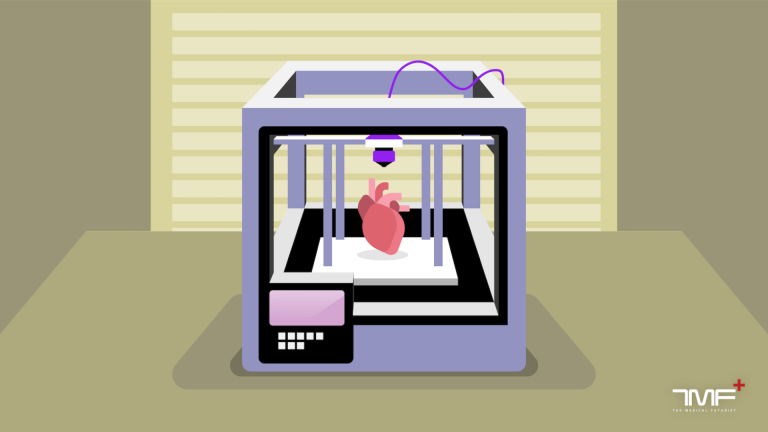
Still, the black market for organs is flourishing. Until technology, e.g. 3D bioprinting, doesn’t offer a viable solution for organ donation, it will remain that way – as there are too many waiting for organ transplantations.
This article is one of the most popular ever written by The Medical Futurist, resulting in the team receiving a couple of offers about organs for sale each week. We would like to draw your attention to the fact that we have never been/and will never be involved in organ sales, and we strongly advise our readers to follow suit. We truly believe in the official organ donor systems of countries and are encouraging everyone to opt-in, as all countries are facing constant organ shortages and the transplantation waiting lists are long. In the unfortunate case of our untimely death, declaring our willingness to become donors can save 8 lives and help a number of others.
But any black market transaction involving human body parts should have the direst legal consequences for organ brokers, human traffickers, and wealthy organ recipients knowingly tricking people in need to sell out their body parts – often for very little money.
So, it seems that your body parts are already labeled with a price tag. Scary, isn’t it? But in terms of the pricing practice, there’s not much difference when it comes to our overall health and life either. The distinction lies in that organs with price tags are not as visible to us as the price of therapies, drugs, or prosthetic body parts.
Almost every day you pay for your health by buying vitamins, pain medication, or lactose-free milk. The question is how much is the maximum that you would/should pay for a life-saving drug? Is it fair to pay for life-saving drugs at all?
Insulin and polio vaccines were not patented by their inventors
Medication, especially life-saving drugs, should be available to everyone in need. In an ideal, utopian world, the means of healing people, the instruments for alleviating pain and suffering, and the assets to save lives wouldn’t cost a penny.
When inventor Frederick Banting discovered insulin in 1923, he refused to put his name on the patent. He felt it was unethical for a doctor to profit from a discovery that would save lives. Banting’s co-inventors, James Collip, and Charles Best sold the insulin patent to the University of Toronto for a mere $1. They wanted everyone who needed their medication to be able to afford it. But we could list similar examples from Jonas Salk’s polio vaccine to Röntgen’s X-ray machine.
These noble gentlemen would definitely turn in their graves if they saw how far we have come since then: if they saw the price tags for certain drugs today or the pricing policies of certain pharma companies.
Many surely remember ill-famed Martin Shkreli and the outrage he caused when he raised the price of Daraprim, a drug that treats the parasitic infection toxoplasmosis and is used in some cases to treat cancer and AIDS, from $13.50 to $750.00 per pill in 2015, which means a more than a 5,000 percent increase! Although a Bloomberg reporter suggested it should cost around $1 to make, and Shkreli himself acknowledged the drug takes “very little money” to make, the medication still sells for hundreds of dollars. Shkreli and his company were able to gouge the price as they acquired the sole rights to the drug’s sale in the U.S. without anyone else offering an alternative. A little side note: Shkreli was just released from prison after he was found guilty of two counts of securities fraud and one count of conspiracy to commit securities fraud. He was sentenced to seven years in prison in 2018.
Although Shkreli’s example is outrageous, he’s not the only one who did something similar. An article in The New England Journal of Medicine focused on how companies buy up the rights to old, inexpensive generic drugs, lock out competitors and raise prices.
For instance, albendazole, a drug for certain kinds of parasitic infections was approved back in 1996. In 2010, its average wholesale cost was $5.92 per day, but by 2013, it rose to $119.58. Perhaps the most concerning piece of news was, though, that the price of insulin has risen uncontrollably in the United States. The cost of the four most popular types of insulin has tripled over the past decade, and the out-of-pocket prescription costs patients now face have doubled. By 2016, the average price per month rose to $450.
Fortunately, governmental regulation started to take note and act on it. The Affordable Insulin Now Act was supported by Congress in 2022 and was approved in 2024 introducing a $35 cap on insulin prices/month nationwide.
It’s certain that without efficient regulatory intervention, pharma companies won’t change their exaggerated pricing policies in the U.S. It is visible, for example, that in Western European countries where price controls are in place, medication costs are lower.
Rare diseases, unique therapies, unspeakable prices
However, the problem is not just the increase in the price of generic drugs such as insulin, but also the incredibly high prices of new therapies and treatment options for rare diseases.
The most expensive drug on the market in May 2024 was Lenmeldy, a gene therapy used to treat types of metachromatic leukodystrophy in children. A single dose costs $4,25 million, and it works by helping the body make the ARSA enzyme to help stop the progression of MLD, it does this using the patient’s own stem cells that have been modified. Lenmeldy is given as a one-time infusion. The FDA approved this drug in March 2024.
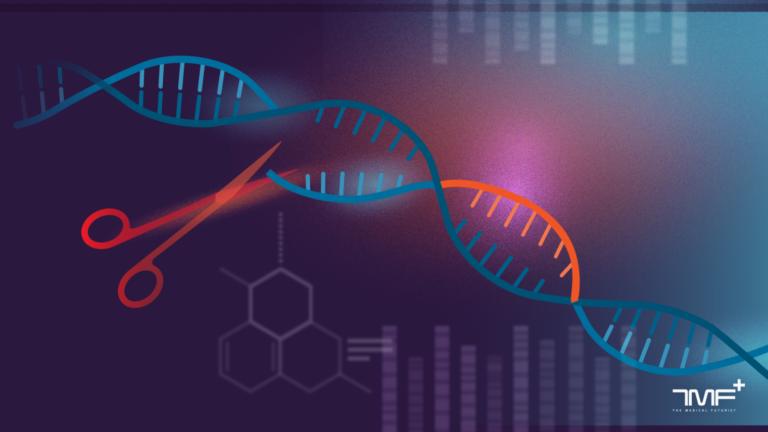
Another well-known example is Zolgensma, a gene therapy for a rare childhood disease, spinal muscular atrophy (SMA) caused by a single gene. At the moment, it costs $2.1 million per patient. This experimental therapy means infusing the patient with genetically modified viruses carrying healthy copies of the gene needed.
Other revolutionary gene therapies are underway – and many fear that while they have the potential to eliminate lethal childhood diseases and other rare conditions, no one’s going to pay for them as their price is set too high.
Are the “most expensive therapies ever” really the most expensive ever? This study tried to assess the values of these therapies and came to the conclusion that economic evaluation of novel therapies requires careful comparison of lifetime cost and benefits vs standard of care, including adjustments for pricing distortions. We also have to note though that the study was funded by Novartis Gene Therapies Inc., so we might have to wait for more research before drawing a final conclusion.
Why are gene therapies so highly priced?
The pricing of medication and therapies is often way too complex and sometimes, as in the above cases of insulin and Daraprim, it seems to be way too arbitrary. Experts say that now that cheaper generic drugs account for about 90 percent of all prescriptions filled in the United States, pharmaceutical companies are turning to rare disease treatments and gene therapies as their next profit engine, with major companies like Pfizer and Novartis investing in drugs for tiny pools of patients.
The question arises naturally: should a premium be paid for the treatment of diseases that are considered ‘rare’? What should be a reasonable price for what is called an orphan drug? Is it a viable method that rare disease drugs are priced based on a patient’s weight – meaning that a prescription for an adult costs many times more than one for a child? Could it be the solution when therapies are paid for in installments?
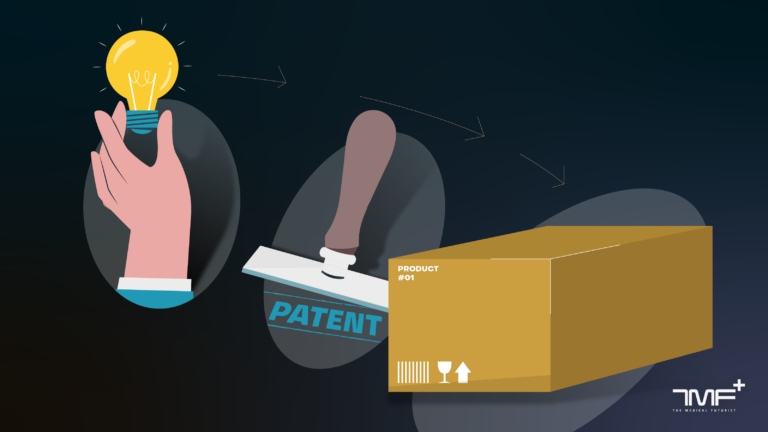
When asked about fair pricing on drugs, Samia Hurst bioethicist said that “making a profit from finding, developing, and selling pharmaceuticals is legitimate, although we were never truly clear about what made it so. Perhaps we approve of this profit because we believe that the effort and creativity involved in bringing a new drug to the market deserve to be paid for. Perhaps we consider that the manufacture of a drug also merits payment. Perhaps we are not considering merit at all, but looking to the consequences: we want to incentivize the development of new therapeutic advances. Perhaps we want to guarantee that access to needed medical therapies is kept up by the profit motive”. That all could be a drive behind allowing pharma companies to ask for fair profit margins put above the costs of research and development.
Also, political philosopher Matt Zwolinski argues that those high prices are not only necessary to recoup the cost spent researching and developing that drug but also the hundreds of other drugs that never made it to market. Charging a price that’s well above the “marginal cost of production” is the only way companies can make a normal level of profit over the long run, and therefore the only way to ensure that society gets the new drugs it needs.
Moreover, if we compare personalised therapies with generic solutions that have been used up until now, their advantage is clear. On the one hand, they offer an efficient solution – and heal patients from diseases that were untreatable before, and on the other hand, they are much more cost-efficient in the long run when looking at the entire society. Thus, the development of personalised treatment solutions is definitely the way forward – although companies should come up with better options for payment.
Ultimately, the Human Rights Guidelines for Pharmaceutical Companies in Relation to Access to Medicines specify that “companies must do all they reasonably can to ensure that medicines are available in sufficient quantities in the countries where they are needed.”
They also suggest that companies are obligated to contribute to the development of drugs for neglected diseases. Thus, companies must make sure the drugs they produce are accessible to all patient groups – not just rich patients or those in developed countries, driving others to desperate solutions such as crowdfunding or not going to the hospital for treatment at all. Only then could gene therapies and other revolutionary healing methods fulfill their potential in making patients’ lives better.
|
At The Medical Futurist, we are building a community for making a bold vision about the future of healthcare reality today. If you’d like to support this mission, we invite you to join The Medical Futurist Patreon Community. A community of empowered patients, future-oriented healthcare professionals, concerned health policymakers, sensible health tech developers, and enthusiastic medical students. If there were ever a time to join us, it is now. Every contribution, however big or small, powers our research and sustains our future. Click here to support The Medical Futurist from as little as $3 – it only takes a minute. Thank you. |
The post How Much Is Life Worth? appeared first on The Medical Futurist.