HealthPopuli.com – Read More
One in three adult children in the U.S. say that moving their parent(s) into their family’s home is the most likely living arrangement for their folks as they age, we hear from a study on the “Care Conversation” from LevLane, conducted by Talker Research. 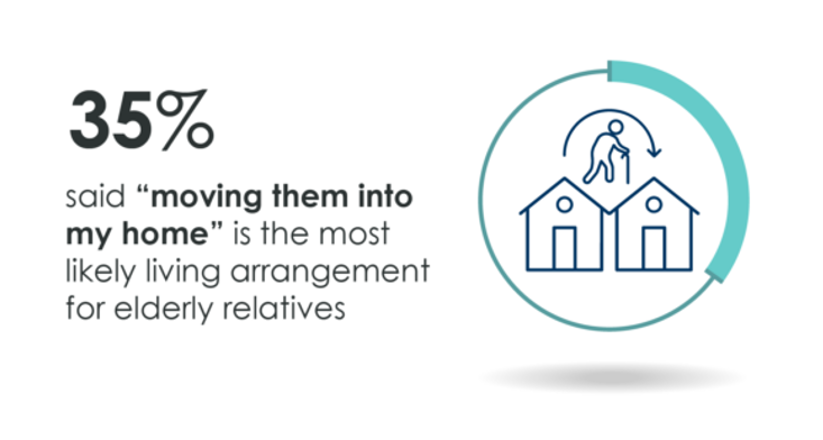
That’s twice as many consumers as those looking to assisted living (19%) or senior living or memory care facilities (16%).
Talker Research conducted a survey of 2,000 U.S. adults, Gen X or younger with a living parent, to assess the current state of and future prospects for the senior living market.
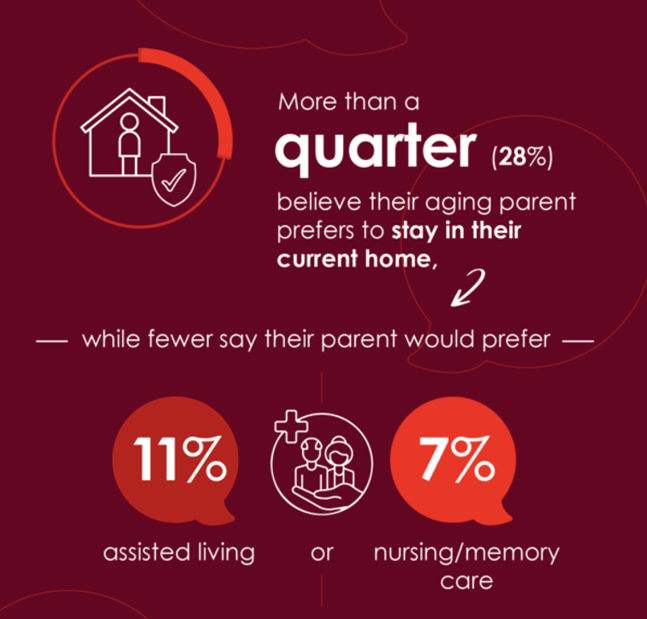
One-in-four adult children of aging parents believes their folks would prefer to stay in their homes.
For comparison, AARP’s latest research into this question found that 75% of older Americans would prefer to age-in-place at home.
“Older adults overwhelmingly want to stay in their homes and , but many (44%) feel a move is inevitable,” according to AARP’s Home and Community Preferences Survey.
Now to the “conversation” aspects of this report…which can take more than an ounce of courage, compassion, and creative thinking beyond a real estate discussion. 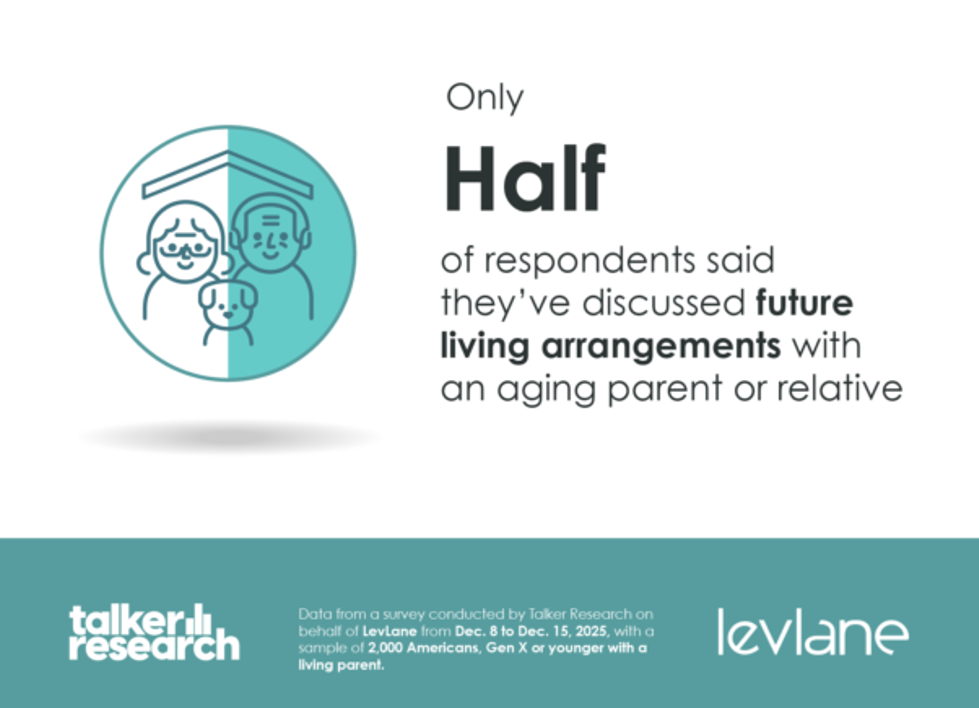
One-half of adult children have had that talk with aging relatives about future living arrangements — clearly, not an easy discussion to have like the topics of wills and estates and health care intentions (for this, see the Engage-With-Grace project encouraging families to have that talk at the Thanksgiving holiday table).
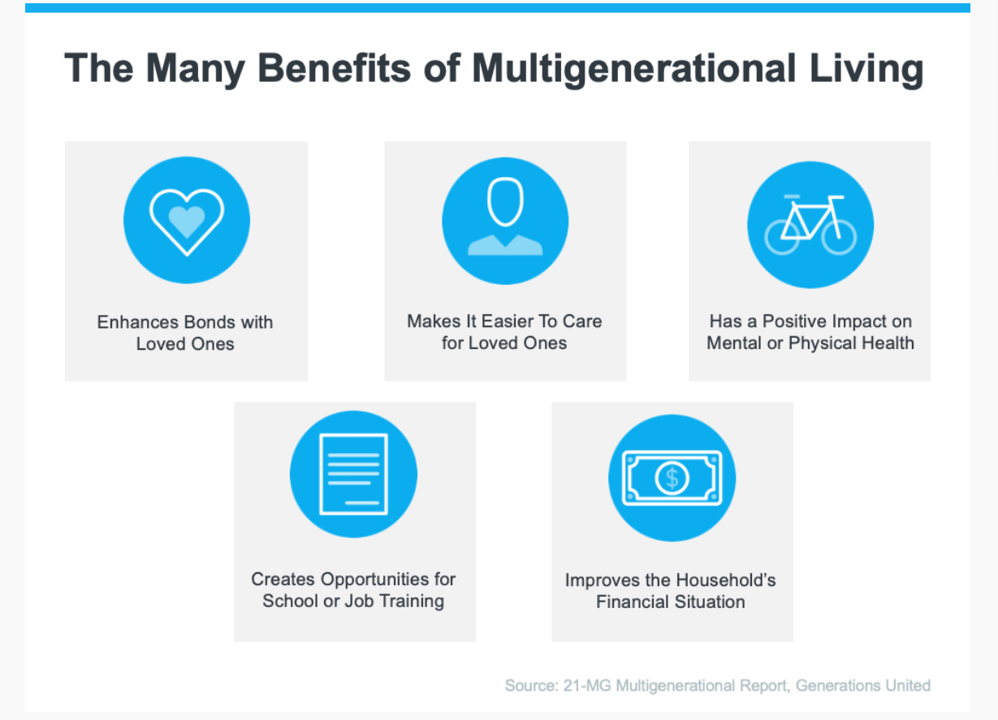
Health Populi’s Hot Points: There is growing evidence on the benefits of inter-generational interactions and relationships for health and well-being. The non-profit organization Generations United provided this graphic describing at least five benefits derived from multigenerational living.
I’ve been personally involved in the issue of intergenerational sharing for well-being through my journaling practice, observing and benefiting from the power of older and younger women in conversation, personal history sharing, and art/creative endeavors.
And to be sure, previous generations knew all about the power of intergenerational social health (and joy!), the prescription of kitchen table wisdom and so on.
I described this phenomenon to a colleague in a recent conversation on intergenerational health, talking about my mother’s old tin recipe box which, for me, embodies a powerful bond between her, her mother and her mother’s mum, and my daughter who now loves cooking from family food-culture.
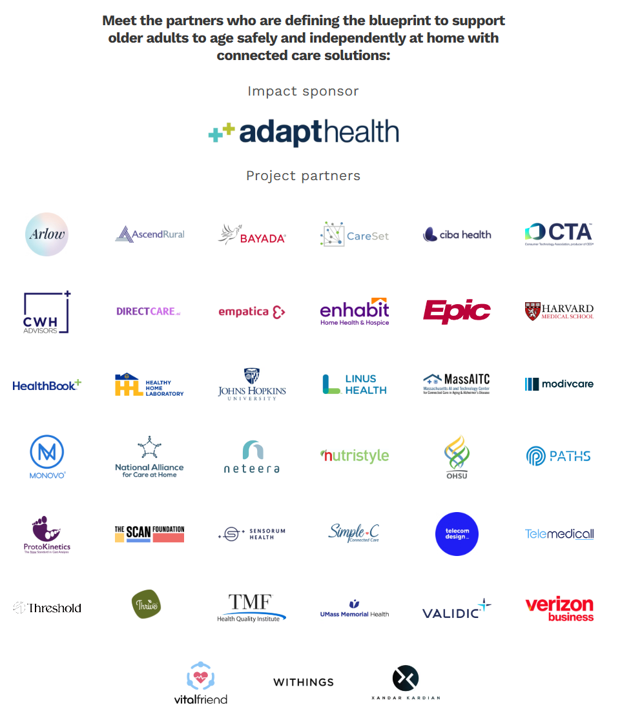
On the aging-longevity front, I’ll finish this up by linking to a recently-announced collaboration between DiMe (the Digital Medicine Society), the Consumer Technology Association, and a host of organizations involved in the aging-at-home ecosystem shown in the graphic at launch announcement – an initiative to “build the digital blueprint for aging in the place of choice.”
Jennifer Goldsack, CEO of DiMe, explained: “Older Americans deserve the dignity of aging in their place of choice, supported by technology that truly works for them, their care partners, and the variety of clinicians and institutions responsible for their care. We are uniting the full ecosystem of payors, providers, innovators, and advocates to replace fragmented approaches with an actionable, evidence-based blueprint for scaling connected health solutions that are safe, affordable, and sustainable, ensuring every older adult has the chance to age where they choose with safety, dignity, and connection.”
In the meantime, if you have older loved ones in your life, try to initiate a conversation about future visions for aging well and “where.”
The post The New (Old) Long-Term Care: Intergenerational, Together at Home appeared first on HealthPopuli.com.