Healthline News RSS Feed – Read More

- Healthy adults who consume high amounts of ultra-processed foods (UPFs) may be more likely to show signs of vascular brain injury, which has been linked to stroke risk and cognitive decline.
- UPFs account for more than 50% of daily energy intake in high-income countries such as the United States.
- People with the highest UPF intake had higher body fat levels and greater odds of vascular brain injury than those with the lowest intake.
- You can reduce UPF intake by making simple swaps toward whole foods, such as fruits, vegetables, and grains prepared at home.
Healthy adults who eat high levels of ultra-processed foods (UPFs) may be more likely to show signs of damage to the brain that could increase the likelihood of stroke and future memory problems, according to a study published October 15 in JAMA Network Open.
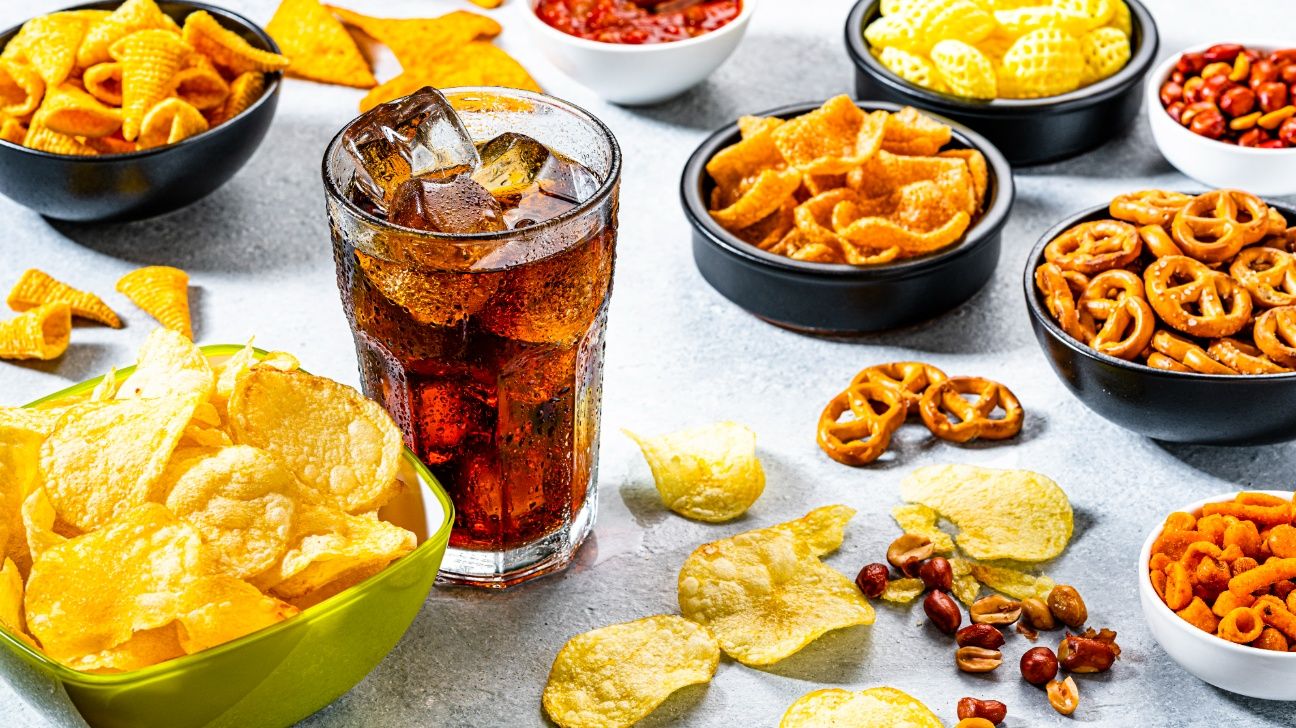
UPFs are often defined using the NOVA classification: These foods typically have 5 or more ingredients and include substances not typically found in culinary preparations. This category of foods includes packaged snack foods, sugary cereals, soft drinks, and frozen ready-to-eat meals.
UPFs account for more than 50% of daily energy intake in high-income countries, including the United States, Canada, and the United Kingdom.
Previous research has linked these foods to adverse cardiometabolic outcomes. This new study adds to growing evidence linking high UPF intake to adverse health outcomes.
High UPF intake may increase the risk of vascular brain injury
This was a cross-sectional analysis of 8,783 adults between the ages of 35 and 69 without cardiovascular disease. The participants were all enrolled in the Canadian Alliance for Healthy Hearts and Minds (CAHHM) and Prospective Urban and Rural Epidemiology-MIND (PURE-MIND) cohorts.
The researchers used MRI scans to evaluate the participants’ brains. They also set out to analyze the cross-sectional relationship between UPF consumption, body fat, vascular brain injury (VBI), and cognitive performance.
They measured the participants’ habitual UPF intake using a food frequency questionnaire. Intake was expressed as servings based on a 2,000-calorie-per-day diet.
UPFs accounted for an average of 25% of participants’ daily diets. For the individuals with the highest intake, this increased to 45% of everything on their plates, compared to 16% for those who ate the least.
The researchers also noted that UPFs were not just an added part of individual diets. These foods appeared to replace whole foods.
Among people with the highest UPF intake, fruits, vegetables, grains, and other minimally processed foods accounted for 41% of their daily food intake. Among those with the lowest UPF intake, minimally processed foods made up 68% of their daily intake.
When the researchers compared the highest intake to the lowest, they found that those with a higher intake of UPFs had 1.7% more body fat. They also found that people with a higher UPF intake had higher odds of VBI.
“These findings are concerning, but it is important to remember that an association does not prove cause and effect,” said Michelle Routhenstein, Preventive Cardiology Dietitian at Entirely Nourished, who wasn’t involved in the study.
“From my perspective as a preventive cardiology dietitian, these findings reinforce the importance of nourishing our blood vessels to support both cardiovascular and brain health.”
Although researchers found no significant differences in cognitive performance, the signs of vascular brain injury observed in the study have been associated with an increased risk of stroke and cognitive decline.
These findings suggest a possible link between UPF intake and signs of brain changes. However, participants were only assessed once and weren’t followed over time. This means the researchers were unable to determine whether UPFs directly caused the changes.
“While we can’t conclude from this study that limiting UPFs would improve brain health, we have decades of literature demonstrating that higher intakes of green leafy vegetables, brightly colored fruits, whole grains, and lean protein sources are good for brain health,” said Suzanne Judd, PhD, Director of the UC College of Medicine’s Center for Public Health, who wasn’t involved in the study.
“So focusing more on what can be brought into the diet rather than what should be eliminated might be a good way to start,” she added.
Why might UPFs affect the brain?
The preservatives [in UPFs] may have a direct impact on the vascular system, while the loss of antioxidants results in a less robust response to inflammation in the body.
“Additionally, sugar or salt is often added to make the food a bit tastier so people consume it in higher quantities. Over-consumption of food can lead to weight gain and diabetes, which can negatively impact brain health,” Judd said.
Tips for reducing your UPF intake
Judd told Healthline that it is virtually impossible to completely avoid UPFs. Even some “health” foods, like protein powder and some yogurts, are considered ultra-processed.
It is more important to look at diet overall and emphasize consuming foods as close to their natural state as possible, such as fruits, vegetables, grains, and meats purchased raw or frozen and then cooked at home.
Routhenstein recommended starting simply with one manageable swap rather than trying to overhaul your entire diet.
She said that you should identify an ultra-processed food you eat regularly and consider a more nutrient-rich alternative. It is important to account for convenience, food preferences, budget, and lifestyle so that the change feels realistic and is sustainable over the long term.
“I want people to feel empowered, not fearful, when making food choices,” said Routhenstein. “Healthy eating does not mean having to cook everything from scratch. What matters most is building consistent, nourishing habits that support both heart and brain health.”