Latest Stories – Pain News Network – Read More
By Pat Anson
The suspected overdose deaths of two college students in Mississippi has renewed fears and misinformation about kratom and its alkaloids.
Ole Miss students Aidan Hamilton, 18, and Robert Strang, 20, were found dead on Sept. 21 in separate locations. The Lafayette County Sheriff’s Office said investigators found “packaged kratom” in both locations and released a statement saying, “Out of an abundance of caution, we encourage everyone to avoid kratom and any other medication or substance that was not prescribed to you.”
That is what led led to misleading reports that the two deaths were “suspected kratom overdoses.”
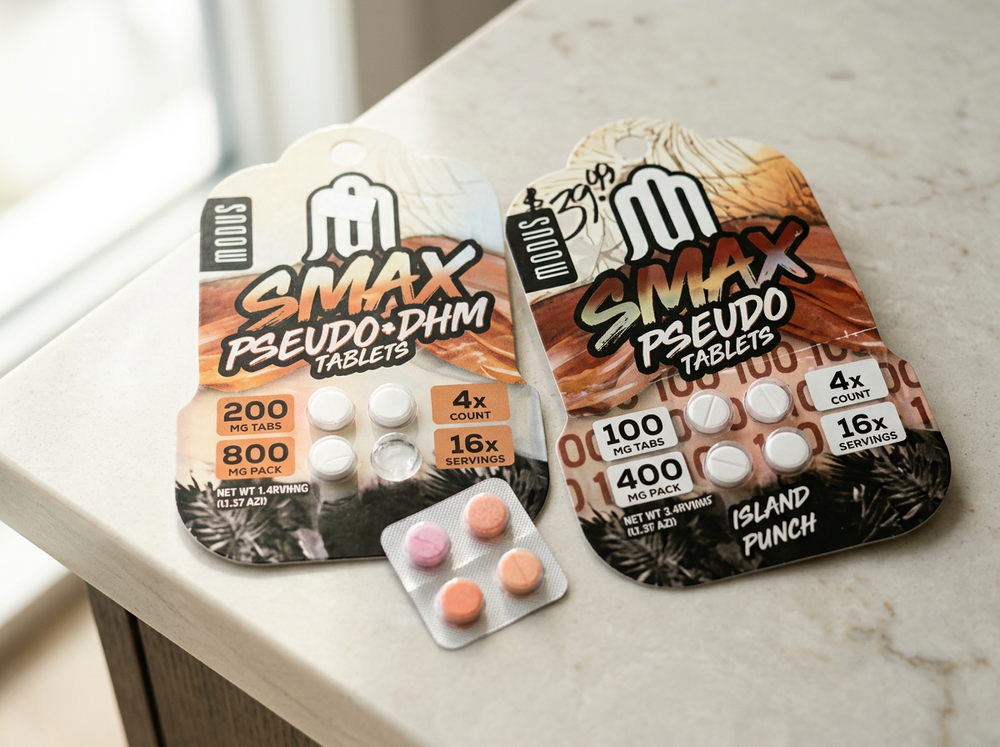
It turns out the “packaged kratom” was not natural leaf kratom but Smax Pseudo-DHM tablets. An affidavit lists the tablet ingredients as mitragynine pseudoindoxyl, MGM-15 and 7-hydroxymitragine (7-OH), which are concentrated or synthetic kratom alkaloids.
Mitragynine pseudoindoxyl and MGM-15 were recently classified as Schedule One illegal substances by the DEA.
Deputies arrested two employees at a smoke shop near the Ole Miss campus, where one of the students apparently bought the tablets. A worker allegedly told an informant to “be quiet” about the pills because “people were dying from them.”
A Mississippi state law in 2025 restricts kratom sales to consumers 21 years and older, and bans all synthetic forms of kratom.
It’s not yet clear if the Smax Pseudo-DHM or other drugs played a role in the students’ deaths, because their autopsies are incomplete.
“If law enforcement knew the specific product involved, Ole Miss students should have been warned what product they needed to be concerned about,” said Mac Haddow, a spokesman and lobbyist for the American Kratom Association (AKA). “Instead, the public was broadly warned about ‘kratom’ when the product was not kratom at all.
“When the Sheriff’s Office characterized these products as kratom without identifying what they actually were, reporters understandably repeated that description. We now know the information available to investigators was substantially more specific. The public should have received that information.”
Confusing natural leaf kratom with 7-OH is something that even kratom advocates argue about. The AKA has long maintained that 7-OH and other concentrated alkaloids are synthetic opioids created in a lab that have no relation to leaf kratom.
The Trump Administration agrees and may soon classify concentrated 7-OH as a Schedule One illegal drug, the same category as LSD and heroin.
Whack-a-Mole Alkaloids
At least 54 different alkaloids have been identified in kratom, which comes from the leaves of a tropical tree in Southeast Asia that has been used for centuries as a natural stimulant and pain reliever.
Banning each individual alkaloid has turned into a game of whack-a-mole, with drug manufacturers developing new exotic formulations of kratom alkaloids faster than the DEA can classify them as illegal drugs.
The latest example is speciociliatine, an “overlooked” kratom alkaloid and partial opioid agonist that metabolizes slowly in humans, which makes it more potent and potentially dangerous. Speciociliatine has not been scheduled by the DEA, although it could fall under state laws that broadly ban “total kratom alkaloids.”
Because it is still legal at the federal level, at least two kratom vendors are now selling speciociliatine tablets.
American Shaman, which developed the first 7-OH products, is marketing lemon-flavored tablets containing 30mg of speciociliatine to foster “mental clarity” and “an uplifted mood throughout the day.” Consumers are cautioned to only use the tablets occasionally, “rather than as a daily habit.”
Burman’s Health Shop is selling 200mg speciociliatine tablets, advising consumers to cut the tablets down into 50mg doses. The company is careful not to make any health claims, saying it is “unable to provide guidance on recreational effects, medical concerns, addiction, or controlled-substance comparisons.”
“Speciociliatine is a real problem. No doubt about it,” Haddow told PNN. “I think that that’s manipulating the alkaloids to create a novel product for which there’s not any evidence of safety.”
AMERICAN SHAMAN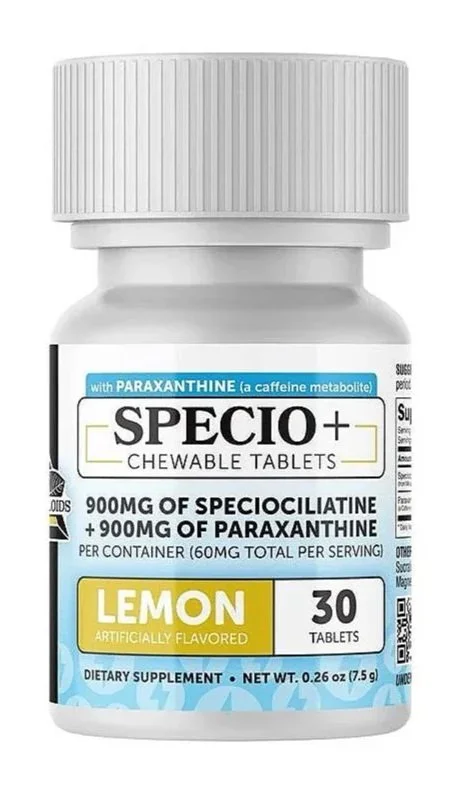
Haddow says vendors selling speciociliatine and other novel kratom alkaloids are trying to stay a step ahead of DEA scheduling efforts, which is one reason the AKA recently threw its support behind the “End Gas Station Heroin Act,” a bill sponsored by Sen. Bernie Moreno (R-Ohio) and Rep. Lance Gooden (R-Texas).
In a recent statement, Gooden said the deaths of the two college students in Mississippi point to a need for legislation that would close loopholes allowing vendors to sell new more potent formulations of kratom alkaloids.
“Dangerous synthetic opioids powerful enough to fuel addiction and destroy lives should not be sitting on convenience store shelves next to snacks and energy drinks,” said Gooden. “My bill permanently schedules these drugs, closes loopholes, and targets the entities putting them into our communities.”
The bill would essentially do the same thing the DEA is planning to do with 7-OH, but expands its enforcement powers to allow the agency to target manufacturers and distributors who introduce novel synthetic alkaloids before they are scheduled by the DEA. Consumers who purchase or use those products would be exempt from prosecution. Natural leaf kratom would also not be affected by the legislation.