TIME – Read More
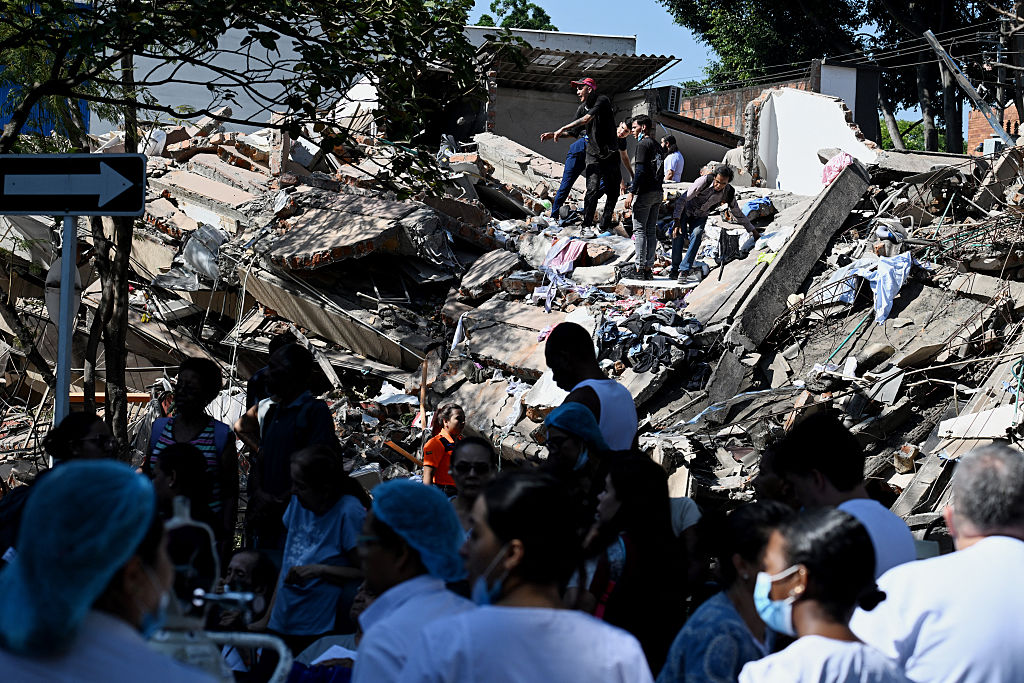
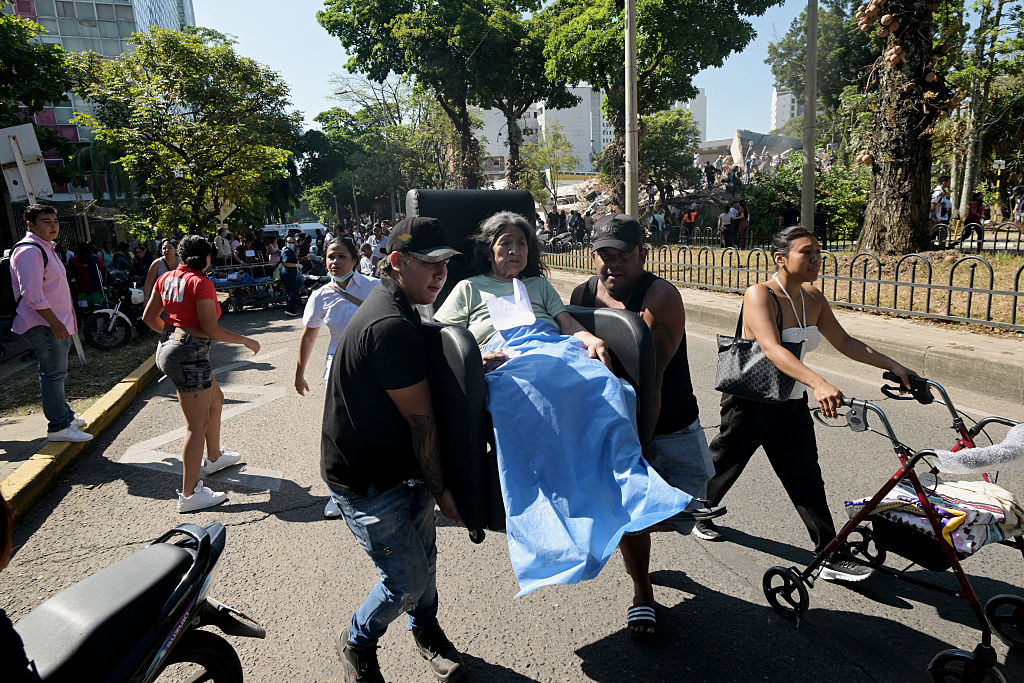
A 7.4-magnitude earthquake rattled western Colombia on Monday, causing widespread destruction and leaving more than 100 people dead.
Colombian President Abelardo De La Espriella, who was sworn into office just days before the disaster struck the nation, said in a post on X on Monday morning that he had “directly assumed leadership of the emergency response.” In another post that morning, he said that he was traveling to the nation’s capital, Bogotá, “to focus on addressing the emergency facing our country.”
“To the Colombians who are going through difficult times today, I want to say: you are not alone,” he said. “You have a President who cares deeply for his people and who will do everything necessary to protect you, support you, and move forward together in rebuilding the affected regions.”
The Colombian President declared an emergency later that day, The Associated Press reported.
Here’s what to know about the earthquake.
When and where did the earthquake happen?
The earthquake hit Colombia at 7:34 a.m. local time, according to the U.S. Geological Survey (USGS).
The epicenter of the earthquake was near San José del Palmar, a community west of the country’s capital with a population of 5,000. Other cities nearby, including Pereira, Manizales, and Cali, were impacted, too.
Neighboring countries, including Venezuela, Ecuador, and Panama, also felt the quake.
How strong was the earthquake?
USGS reported that the earthquake that struck Colombia had a 7.4 magnitude. “Magnitude” indicates the size of a quake—one with a 5.3 magnitude, for instance, is a “moderate” quake, whereas one with a 6.3 is considered “strong,” according to USGS. The back-to-back quakes that shook Venezuela in June and left more than 6,000 people dead each had a magnitude above 7.
The Colombian Geological Service reported that the quake had a depth of about 103 km, in addition to its 7.4 magnitude, and said it was the largest seismic event recorded in the country in this century
What is the death toll?
According to preliminary information from the Colombian Association of Capital Cities (Asocapitales), at least 132 people have died, and at least 570 people were injured in the quake as of Monday evening.
But the death toll is still expected to rise, as local officials said that they had received reports of many people trapped under buildings that had collapsed.
What damage has been reported?
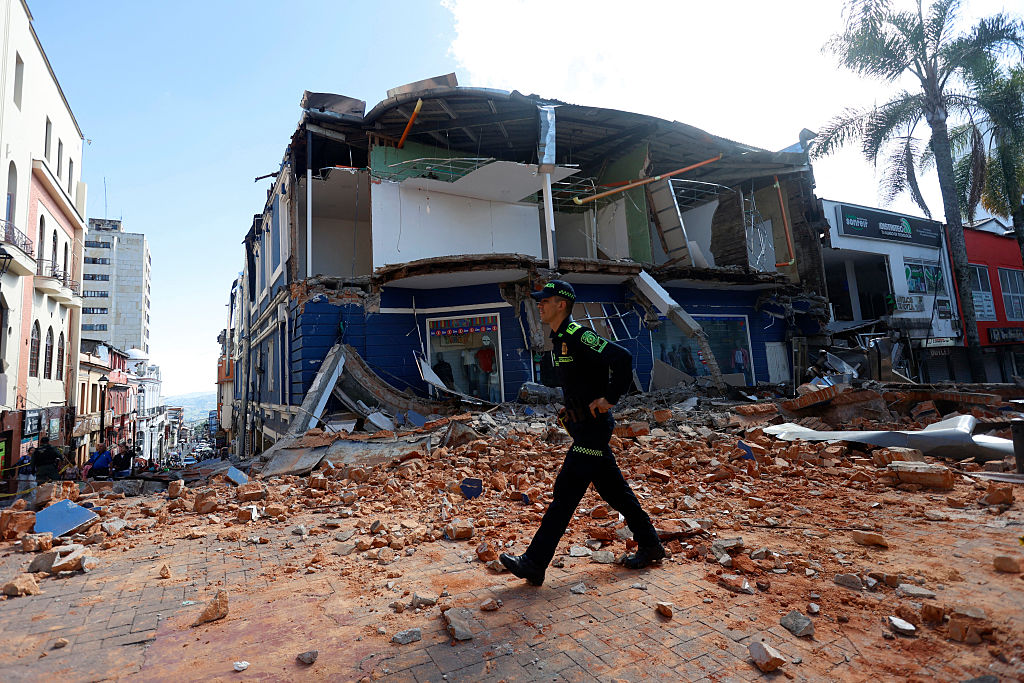
De La Espriella said on Monday that the quake damaged more than 1,500 homes—adding that it completely destroyed some of them. More than a dozen health centers and even more schools were also damaged in the disaster, the New York Times reported.
Asocapitales added that 86 buildings have collapsed, seven airports suspended operations, and five cities—Pereira, Cali, Quibdó, Manizales, and Armenia—are “experiencing the most severe impacts.”
The International Rescue Committee (IRC) said that its teams are monitoring the situation.
“Our teams near the epicenter in Chocó are reporting damages to infrastructure, including to hospitals and clinics,” Nicole Kast, IRC’s Country Director for Colombia, Venezuela and Ecuador, said in a statement. “Impacted communities were already facing armed conflict and high levels of poverty before the ground began to shake. The IRC is monitoring the situation and stands ready to scale up its response as the full extent of the destruction becomes clear.”
Colombia’s civil aviation authority said in a post on X on Monday morning that it had received reports of damage at airports in Pereira, Manizales, Quibdó, Armenia, Cartago, and Buenaventura, and that operations there were being suspended “for safety reasons” until the damage had been assessed.
Is there a tsunami threat after the earthquake?
While earthquakes can sometimes trigger tsunamis, the U.S. Tsunami Warning System said on Monday that there was no warning, advisory, watch, or threat for a tsunami after the earthquake in Colombia.
How are other governments responding?
Governments across Latin America offered assistance.
Venezuela, which is still recovering from quakes that shook it in June, offered Colombia the deployment of rescue workers and humanitarian aid: its foreign minister Félix Plasencia said in a statement that Caracas “expresses its deepest solidarity and fraternity” with the people of Colombia.
El Salvador’s President Nayib Bukele said they are communicating with Colombia and are “ready to provide immediate support with our rescue teams, medical personnel, paramedics, supplies, or any other assistance.” Mexico’s President Claudia Sheinbaum also offered assistance should Bogotá require it.
The U.S. State Department announced it would provide $15.5 million for emergency shelter, food, and other earthquake response aid. Ursula von der Leyen of the European Commission said on social media that the European Union has already mobilized its satellite service to assist in rescue operations and is ready to provide additional support.
—Chad de Guzman contributed reporting.