HealthPopuli.com – Read More
Two in three U.S. adults believe that recent high inflation has negatively impacted their ability to pay for food, clothing, or housing in the past twelve months — and, due to inflation in the U.S., 42% of people said that they have skipped or delayed medical care in the past year — including 52% of folks not yet enrolled in Medicare, and 27% of Medicare enrollees.
Such are the economic lives of American households as quantified in the eHealth Mid-Year Healthcare Pulse Report 2026, published in July 2026.
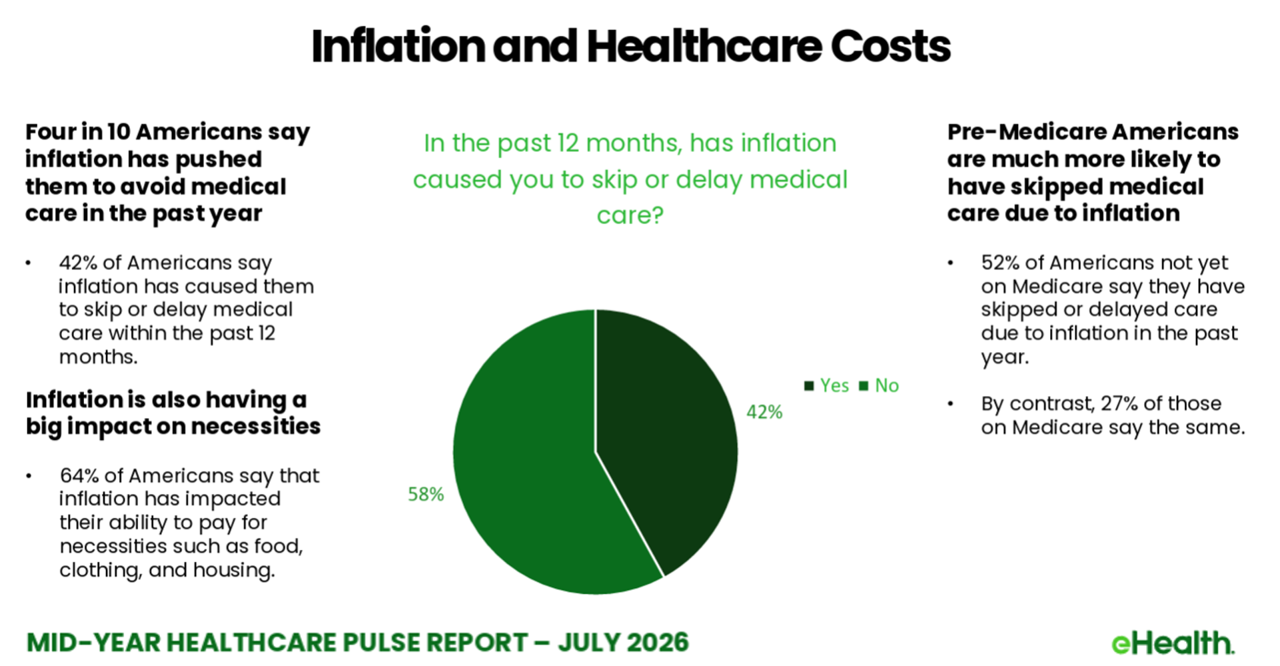
eHealth surveyed over 1,000 Americans to assess their perspectives on the burden of medical costs for both pre-Medicare enrollees and Medicare beneficiaries. Current with the Zeitgeist of health care in mid-2026, the study also looked into health consumers’ views on GLP-1 medicines for weight loss and their costs. 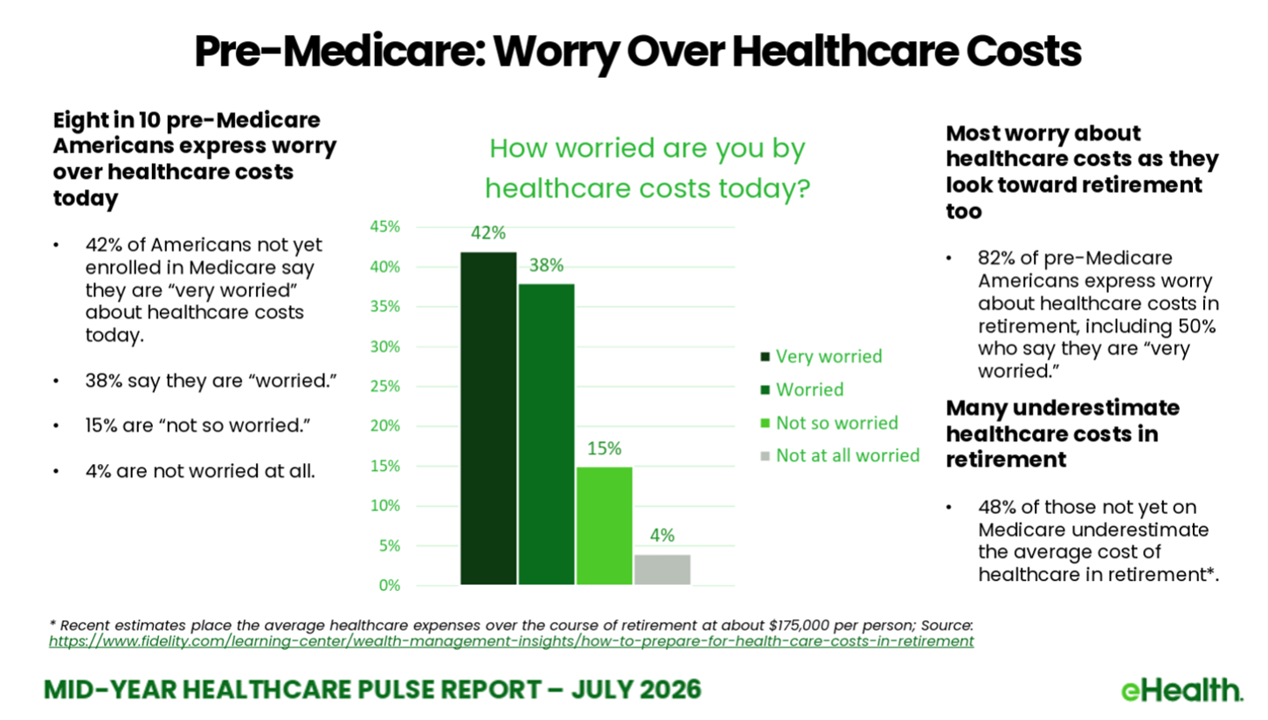
For younger adults not yet eligible for Medicare, 4 in 5 are worried about healthcare costs in today’s world — with 3 in 5 “very worried” about healthcare costs.
Looking ahead to retirement, the majority of people worry about healthcare costs — and one-half underestimate what their medical spending in retirement will be.
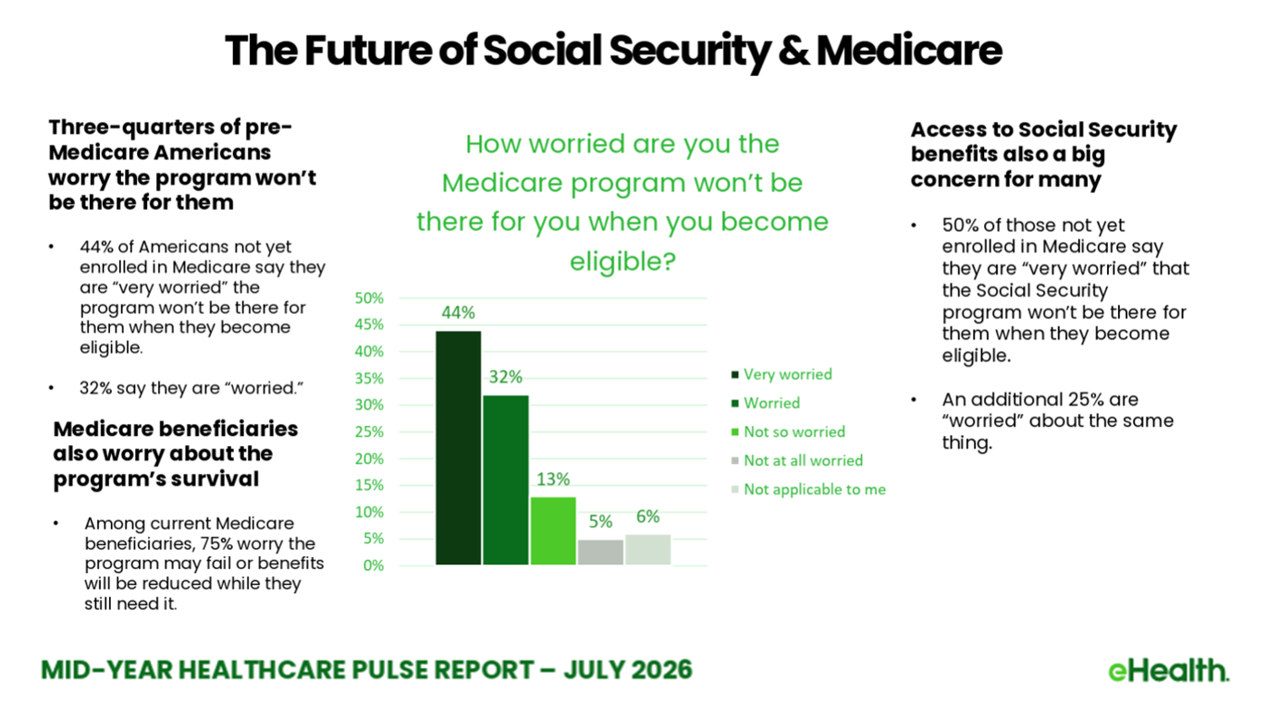
Forecasting their future in retirement for Social Security and Medicare coverage, 3 in 4 Americans foresee those benefits will not be available to them.
Among current Medicare beneficiaries, 75% are worried that this health insurance program into which they paid over their lives as working Americans will be reduced in their times of need.
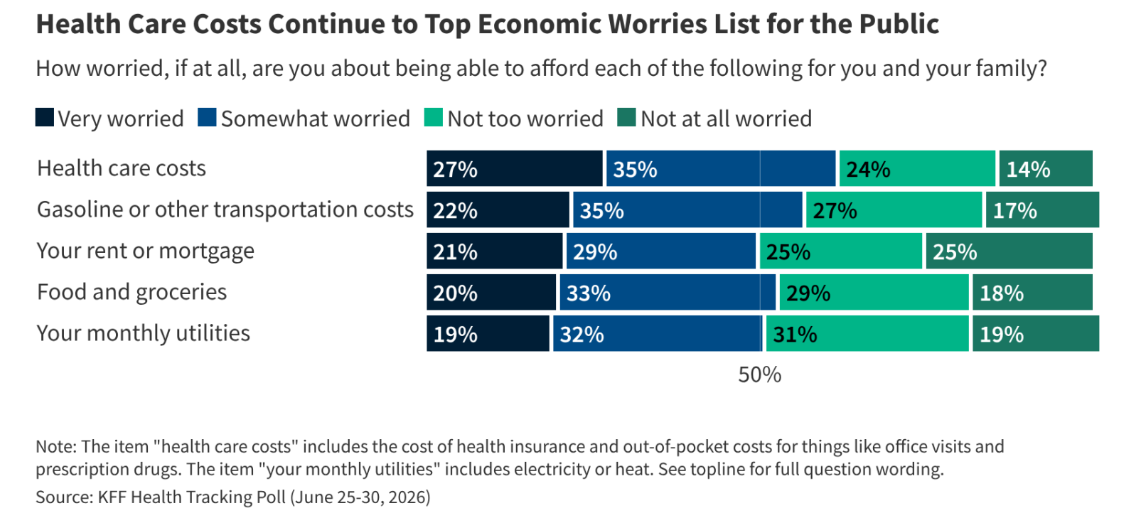
Health Populi’s Hot Points: “Are Health Care Costs THE Top Issue for Voters?” Drew Altman, CEO of Kaiser Family Foundation, asks and answers in a KFF essay on 20 July 2026.
In KFF’s Health Tracking Poll conducted in late June 2026, nearly two-thirds of U.S. adults said they were somewhat or very worried about healthcare costs, a percentage of folks slightly above those worried about gas and other transport costs. Fifty-three percent of people were worried about affording food and groceries, and one-half of U.S. adults were worried about their rent or mortgage expenses.
Altman points to similar polls looking into health citizens’ and voters’ views on health care costs in 2026, finding similar responses in a study from Gallup (finding 61% of U.S. adults worried “a great deal” about health care affordability).
As Altman explains,
“Both worries about unexpected health care costs and problems paying health care bills are motivating voter concern about health care….Voters clump health costs with a series of other problems and worries about their family budgets. I have come to the conclusion that the search for a single top issue through polling questions—whether it’s health costs, or gas prices, or the cost of food—is artificial. People worry about and experience these costs together. There is no top issue, unless that issue is the catchall, ‘cost of living.’”
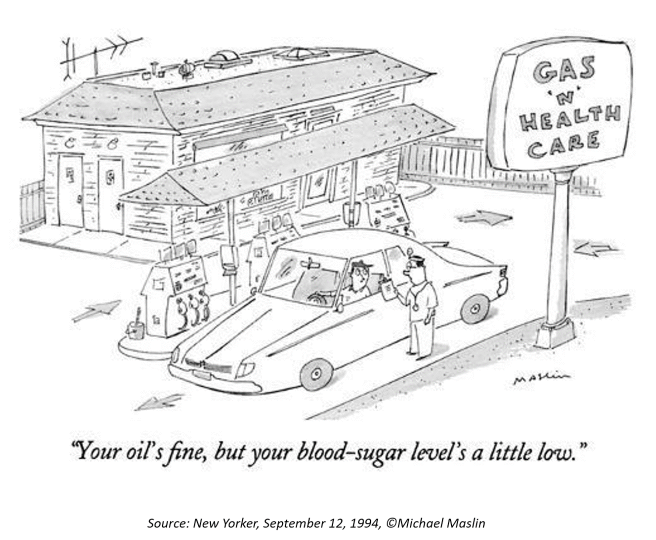
The point here in Health Populi since the start of the blog in September 2007 is that health care costs have been embedded in Americans’ household costs of living for a long, long time. We’re just feeling the fiscal health bill stress more acutely in 2026. And those people stretching muscles as health citizens are increasingly motivated to feel a sense of self-agency and health consumerism as they pay more, feel the pain, and head to the voting polls.
The post Americans’ Spending on Healthcare, Food, and Housing: It’s All the Costs of Living – eHealth’s 2026 Mid-Year Survey appeared first on HealthPopuli.com.