The Medical Futurist – Read More
Imagine a future where aging is not a fate but a solvable puzzle, reshaping the very fabric of medical science. This is what transhumanism aims for. Although this goal is surely too ambitious, we might learn a thing or two from this futuristic movement.
What is transhumanism?
Transhumanism is the position that humans should be permitted to use technology to modify and enhance human cognition and bodily function, expanding abilities and capacities beyond current biological constraints.
It is a philosophical and social movement, with not only technological aspirations. It is also an approach to exploring how advancements in science and technology could fundamentally transform human life. It has several key aspects:
- Human enhancement: this involves the use of technologies like genetic engineering, brain-computer interfaces, and nanotechnology to enhance human intelligence, physical strength, and lifespan. Ironically, all the trivial pop cultural references, like Darth Vader or the Terminator are discouraging. So let’s think about Ironman here.
- Life extension: transhumanists often focus on extending human life significantly, potentially to immortality. This could be achieved through methods like anti-aging technologies, regenerative medicine, and possibly in the future, mind uploading.
- Ethical considerations: transhumanism raises various ethical questions, such as the potential for widening social inequalities, the nature of human identity and rights in the context of enhanced individuals, and the possible risks of advanced technologies. It also challenges current medical and ethical norms, prompting a reevaluation of what it means to be human.
A few years ago we had an interview with the U.S. presidential candidate of the Transhumanist party, explaining their visions in great detail.
1. Fighting for rights that don’t even exist today
One of the things transhumanism can give to medicine is that it can help us fight for rights that are maybe even nonexistent or unnecessary today but will be needed in the future as technology advances. Just as the internet gave rise to digital privacy rights, transhumanism will bring forth rights we haven’t even thought about yet.
Like rights related to our robotics and/or AI-enhanced bodies. The question arises: what rights do individuals have when part of their cognitive processes or physical abilities are enhanced or even controlled by AI? It’s like asking who gets to decide what your smart prosthetic arm can or can’t do.
Similarly, the rights of biohackers. These are the pioneers, often working outside of traditional labs, who experiment with biology and technology to push the boundaries of human capabilities. But here’s the thing: as they experiment with their own bodies, they challenge existing medical and legal frameworks. They are DIY enthusiasts, but instead of building birdhouses, they’re building – hopefully – better versions of themselves. What rights do these innovators have (or don’t have?), and how do we ensure their safety without stifling their creativity? Where are the boundaries of their freedom? Where are the boundaries of our obligations to protect humans with societal-level safeguards?
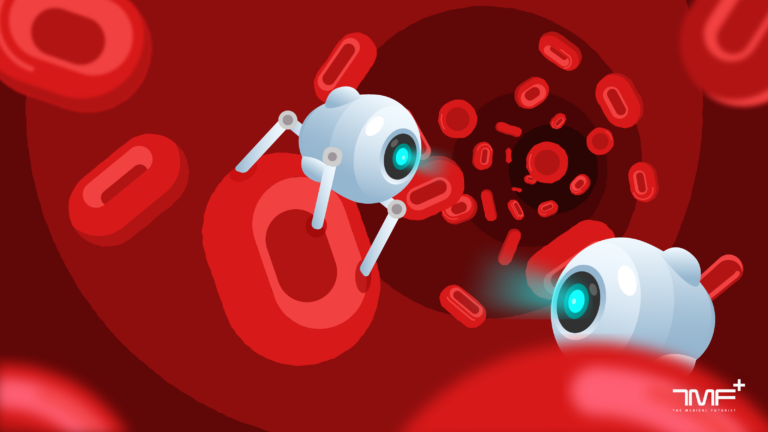
In the future, we’ll likely need a whole new set of rights and ethical guidelines tailored to a world where humans and technology are intertwined. It’s not just about who gets access to these technologies, but also about maintaining autonomy and individuality in a world where we might be part biological, part machine.
2. Mapping out feasible innovations for disease management
Bryan Johnson’s venture into transhumanism is a vivid illustration of the extremes to which individuals might go in pursuit of longevity and enhanced health. Spending 2 million dollars per year, his lifestyle embodies a radical approach to pushing the human body’s boundaries. While this level of investment is far from feasible for the average person, Johnson’s project could yield valuable insights.
Scientists and medical professionals could potentially validate and replicate findings from his extensive personal health experiments. This aspect is crucial: while not everyone can emulate Johnson’s lifestyle, the knowledge gained could inform more accessible health strategies.
What Johnson does can help us figure out what things we should consider implementing and what not. For example: sitting for two hours in blue light every single evening might not be worth the effort. You might sleep perfectly well with a consistent sleep routine and several simple measures regarding your exercise habits, eating habits, and caffeine consumption as I do or Dr. Mesko does.

Projects like Johnson’s “Blueprint” are on the fringe of current medical practice, they offer a glimpse into the potential extremes of human enhancement. However, the lessons learned from such endeavors can guide more practical, everyday approaches to health and longevity that are accessible to the broader population.
3. Is it for all? Is it for the wealthy?
Transhumanism can also help us figure out how to address concerns about inequality, particularly the potential for technologies to favor the wealthy. Technologies, such as genetic modifications, neural enhancements, or anti-aging therapies, are likely to be expensive, at least initially. This raises the question: if only the wealthy can afford these enhancements, does it create a society where the rich can buy better health, longevity, and even intelligence, widening the gap between the rich and the poor?
We are already struggling with this dilemma in digital health, with wearables and personalised medicine, but how extreme can it become? There’s a concern that transhumanism could lead to a new class divide – between those who are enhanced and those who are not. This could manifest not just in terms of health and lifespan, but also in areas like employment, where enhanced individuals might have unfair advantages.
As with other health-inequity issues, one of the core debates in transhumanism is whether its benefits will trickle down to the wider society or remain exclusive to those who can afford them. To address these concerns, there is a growing discussion among ethicists, policymakers, and transhumanists themselves about how to ensure equitable access to these technologies. This includes considering regulations, subsidies, and ethical guidelines to prevent the deepening of social inequalities.

Evidence-based implementation
Diving into the realm of transhumanism and its profound implications for the future of healthcare can be fascinating. However, one principle remains paramount: we need an evidence-based approach.
Whether it’s about embracing new technologies, innovative treatments, or regulatory changes, the transition from transhumanist theory to healthcare application must be grounded in solid, scientific evidence. This is a critical understanding that the transhumanist community must also embrace.
The healthcare world is inherently cautious, prioritizing patient safety and proven effectiveness. For transhumanist innovations to gain acceptance and integration into mainstream medical practice, they must undergo rigorous testing and validation. This process ensures that these advancements are not only scientifically sound but also ethically responsible and beneficial to patients.
The post 3 Things Transhumanism Can Give To Healthcare appeared first on The Medical Futurist.