Latest Stories – Pain News Network – Read More
By Pat Anson
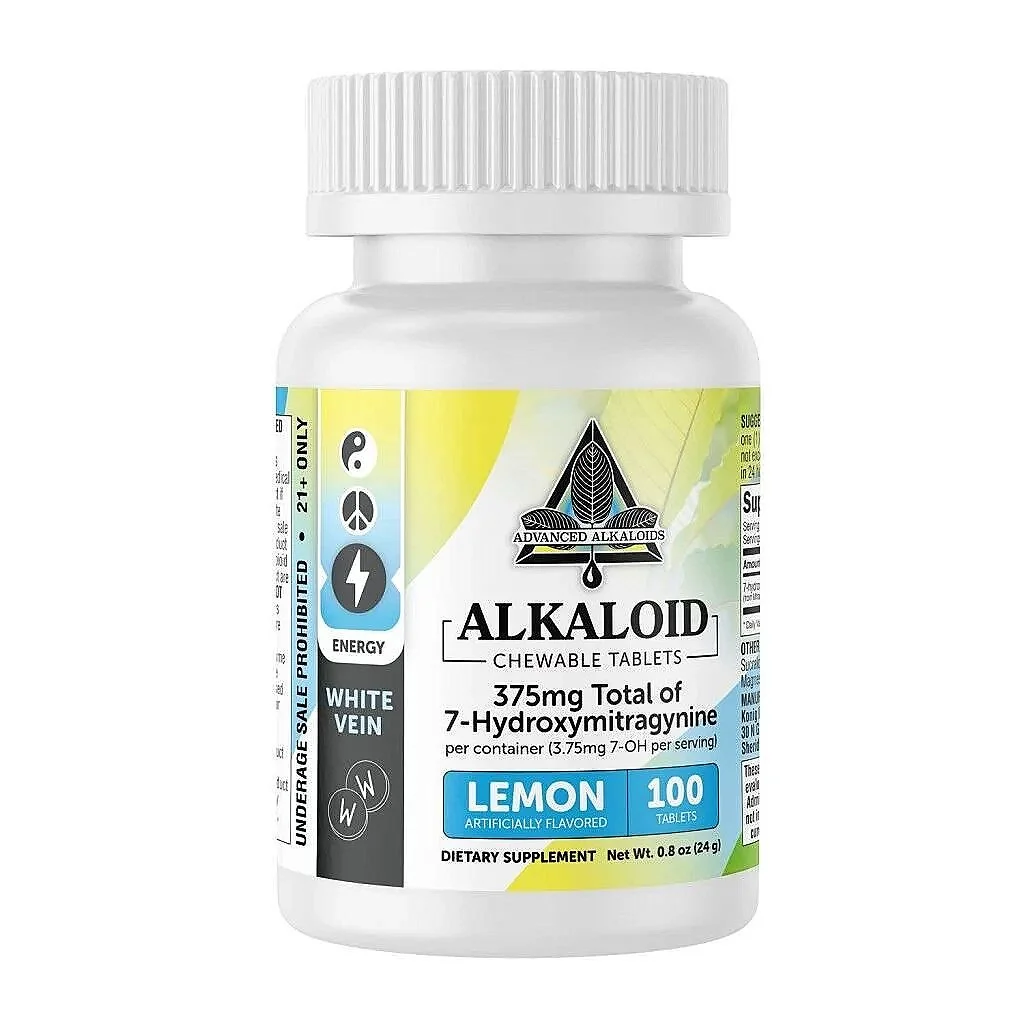
The Drug Enforcement Administration is moving to ban all concentrated forms of the kratom alkaloid 7-hydroxymitragynine (7-OH) by classifying it as an illegal Schedule One controlled substance, the same classification as heroin and LSD.
In a notice pre-published in the Federal Register on Wednesday, the DEA said it would enact a temporary scheduling of 7-OH, which will begin 30 days after the notice is formally published on July 6. That would effectively ban the manufacture, sale and use of 7-OH products nationwide in early August.
A separate notice applies the same Schedule One classification to the kratom derivatives mitragynine pseudoindoxyl (MP), dihydro-7-hydroxymitragynine (MGM-15), and the 9-fluoro derivative of 7-hydroxymitragynine (MGM-16).
Kratom comes from the leaves of a tropical tree in Southeast Asia, where it has long been used as a natural stimulant and pain reliever. 7-OH occurs naturally in kratom in trace amounts, but when concentrated it becomes more potent and has “opioid-like” effects.
The DEA’s order limits the amount of 7-OH to no more than 0.05% of a product by weight or volume. Virtually all 7-OH products currently on the market are well above that threshold.
Although many pain patients have found 7-OH to be an effective analgesic, concern has risen that repeated use may lead to addiction and overdose. Several states and dozens of cities and counties have banned 7-OH products, which are currently sold as unregulated dietary supplements.
“7-Hydroxymitragynine has opioidergic activity, sharing a similar pharmacological profile to schedule II opioids like morphine. Preclinical data indicates that 7-hydroxymitragynine carries a high abuse potential with safety risks, including tolerance, dependence, and respiratory depression, which are comparable to those of classic opioid analgesics,” the DEA said.
“While sellers promote these products for their euphoric and opioidergic effects, evidence demonstrates they may also contain other opioid alkaloids, such as mitragynine pseudoindoxyl. These combinations, coupled with a lack of regulatory oversight, pose significant safety risk to unsuspecting consumers by exposing them to high doses of opioids.”
Under the Controlled Substances Act, DEA can “temporarily” place a new substance in Schedule One for two years without a public hearing, as long as the Department of Health and Human Services (HHS) has no objection.
“I commend the DEA for taking decisive action to address these addictive and harmful substances,” HHS Secretary Robert F. Kennedy, Jr. said in a statement. “7-OH, MP, MGM-15, and MGM-16 are dangerous opioids that fuel addiction and put American lives at risk. HHS reviewed the science and recommended this action.”
The DEA action was also applauded by the American Kratom Association (AKA), an organization of kratom vendors that promotes the use of unadulterated natural leaf kratom. The AKA has been lobbying against efforts by local governments to prohibit sales of kratom, while encouraging bans on 7-OH.
“The message to every state official should be simple,” said Mac Haddow, an AKA lobbyist and spokesman. “Do not ban kratom because of 7-OH.”
Haddow says the DEA’s action will lend weight to arguments that natural leaf kratom is safer than 7-OH and should remain legal.
“It’s more than we were hoping for, in the sense that we got another clear affirmation from HHS about the distinguishing characteristics, because that’s important to state legislatures and to state AGs and to boards of pharmacy,” Haddow told PNN.
“This was all a great set of announcements that clarifies for every state legislator, every attorney general, and every local county elected body to see exactly that they should be in alignment with the federal policy on these issues.”
7-OH advocacy groups are likely to mount a legal challenge to the DEA’s scheduling of 7-OH.
“We understand that this announcement is causing a lot of confusion, fear, and uncertainty throughout the consumer community. First and most importantly, we want to be clear:7-OH has not been immediately banned or scheduled,” the 7-HOPE Alliance said in a statement.
“While this development is serious, there is still a process ahead, and there is still an opportunity for science, evidence, and consumer voices to be heard. The 7-HOPE Alliance is actively reviewing the announcement and coordinating with legal, scientific, policy, and advocacy partners to determine the strongest path forward.”
In a third notice being published in the Federal Register, HHS is opening a 30-day public comment period on the proposed threshold for 7-OH and the other kratom derivatives. HHS is not asking whether 7-OH should be classified as Schedule One, only if the 0.05% threshold set by DEA is appropriate.