Healthline News RSS Feed – Read More
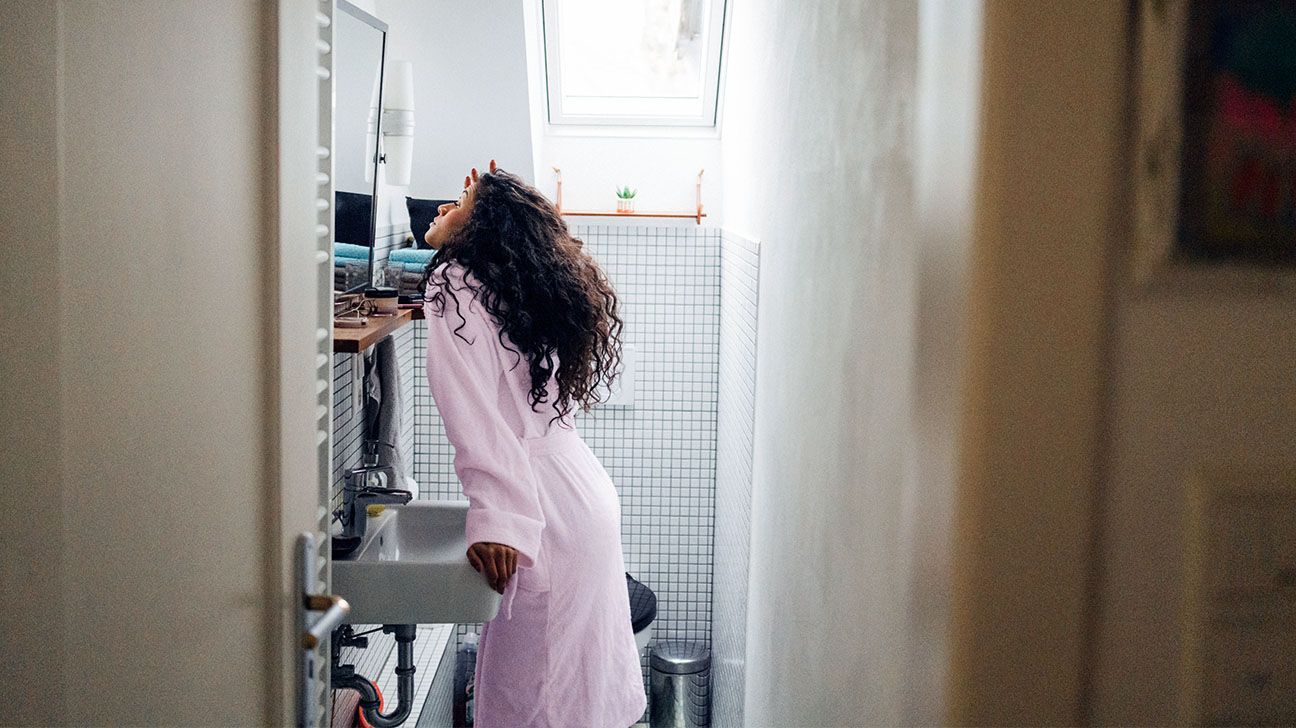
- The FDA recently cleared another option for at-home self-collection for cervical cancer screening, further broadening access.
- The Onclarity kit from Waters Corporation is expected to be available in the coming months.
- The Teal Wand, another option for at-home HPV testing, is also available through a prescription.
- Experts say self-collection methods that test for HPV at home could reduce barriers to care and reduce cervical cancer diagnoses and related deaths.
Cervical cancer is widely considered the most preventable form of cancer with routine screening and early detection of human papillomavirus (HPV), which causes 90% of cases.
Now, the FDA has cleared another at-home option for cervical cancer screening, further expanding access.
The Onclarity HPV Self-Collection Kit from Waters Corporation is a comprehensive screening tool that detects all high risk, cancer-causing HPV genotypes, the company said in a statement on April 8.
“Expanding access to screening is one of the most important steps we can take to prevent cervical cancer, and at-home HPV self-collection is a game-changer for making screening easier to complete,” said Jeff Andrews, MD, Vice President of Medical Affairs, Waters Advanced Diagnostics, Waters Corporation, in the statement.
“When more patients are able to get screened, whether at home or in the clinic, clinicians have better information to identify risks earlier and intervene sooner. That allows us to spend less time trying to reach patients who have fallen behind on screening and more time focusing on prevention, follow-up care, and treatment for those who need it,” Andrews continued.
Waters promises “broader nationwide access” to its self-collection kit, which will be available in the coming months and covered by private insurance, Medicaid, and Medicare. Here’s what you need to know.
Cervical cancer preventable with regular screening
Around 60% of all cervical cancers occur in people who are under-screened or unscreened, due to various factors and barriers to care.
While vaccination against HPV is considered a first-line defense against cervical cancer, regular screening is still advised.
In January, the Health Resources & Services Administration (HRSA), a division of the Department of Health and Human Services (HHS), updated its cervical cancer screening guidelines to endorse self-swab at-home tests for HPV.
The new guidelines echoed a recent U.S. Preventive Services Task Force (UPSTF) recommendation for self-collection methods for cervical cancer screenings starting at age 30.
In May 2025, the Food and Drug Administration (FDA) approved the Teal Wand, the first at-home test for cervical cancer.
The new Onclarity screening kit is expected to further expand access to cervical cancer screening, potentially saving lives.
Self-collection methods are thought to reduce barriers to cervical cancer screening, such as lack of access to care or discomfort during traditional screening methods like pap smears.
Improving early detection and reducing cervical cancer-related deaths, particularly among Black and Hispanic women, who face disproportionately high risks of cervical cancer.
How do at-home HPV tests work?
The Onclarity at-home self-collection kit will be available with a prescription and mailed to your home.
Samples are collected with a cervical swab at an individual’s convenience and mailed to a participating laboratory for analysis.
The samples are processed using advanced robotics to ensure reliable and accurate results, the company stated. It’s unclear what the turnaround time for results will be, but the Teal Wand typically takes about a week to process.
Waters collaborated with the National Cancer Institute (NCI), a division of the National Institutes of Health (NIH), through the Cervical Cancer ‘Last Mile’ Initiative SHIP Trial to ensure the accuracy and reliability of the new HPV testing kit.
Diana Pearre, MD, board certified gynecologic oncologist at The Roy and Patricia Disney Family Cancer Center at Providence Saint Joseph Medical Center in Burbank, CA, said that overall, at-home self-collection methods are considered accurate.
Indeed, research has shown that samples collected via swab yield results as accurate as those collected by a clinician.
Test results are shared with a patient’s designated healthcare professional, who will help guide any follow-up and treatment decisions. Pearre said that depending on the findings, follow-up testing may be needed.
Pearre said that anyone interested in the Onclarity kit should ask their doctor for more information or visit the company’s website.
“The benefits of testing at home are convenience [and] lack of need for a pelvic exam, which can be uncomfortable for some individuals,” Pearre told Healthline.